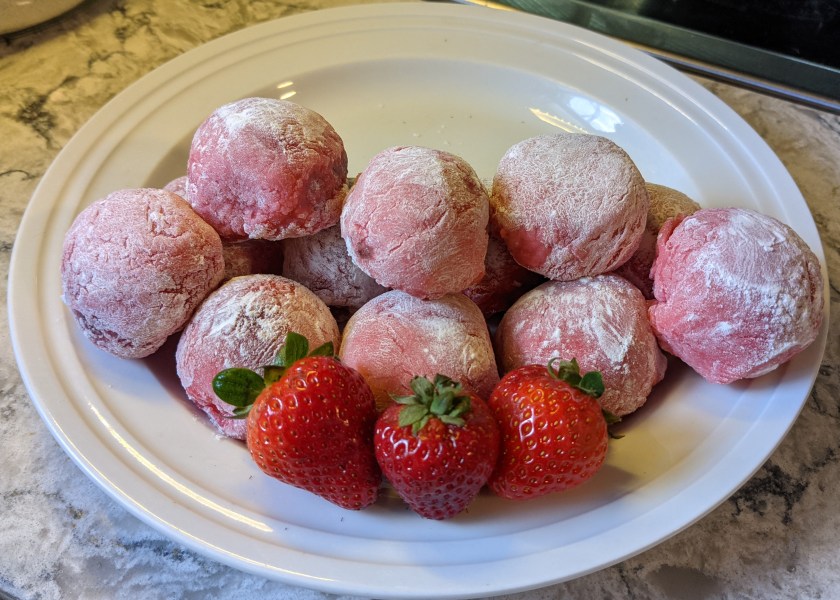
Hello and welcome back, Friends and Fellow Bakers! December is here, and that marks the start of Epic Baking SeasonTM which is certainly the most wonderful time of the year. I have some fun bakes planned (and already on the go!) for this month, so stay tuned for that action. In the meantime, let’s get back to our ever decreasing list of technicals from GCBS.
Today we will be talking about the popular Japanese snack: Daifuku Mochi (recipe here) as featured on Season 2 International Week. I have eaten mochi many times so I was familiar with this as a concept, but I admit this method was a little out of my comfort zone. I was happy to give it a go, and I think it is important for bakers to try methods from countries other than France and Italy for a change, but I know mine would not stand up to any kind of scrutiny at all. Let’s call them a strong first attempt.
Mochi can be made in many different varieties and flavours, but the basic concept is a soft rice dough is wrapped around a ball of filling. The most basic version is filled with bean paste. Here in North America it is common to find mass produced mochi filled with ice cream, but I suspect this is lacking authenticity compared to what is actually served in Japan. The CBC version was filled with red bean paste and a fresh strawberry.
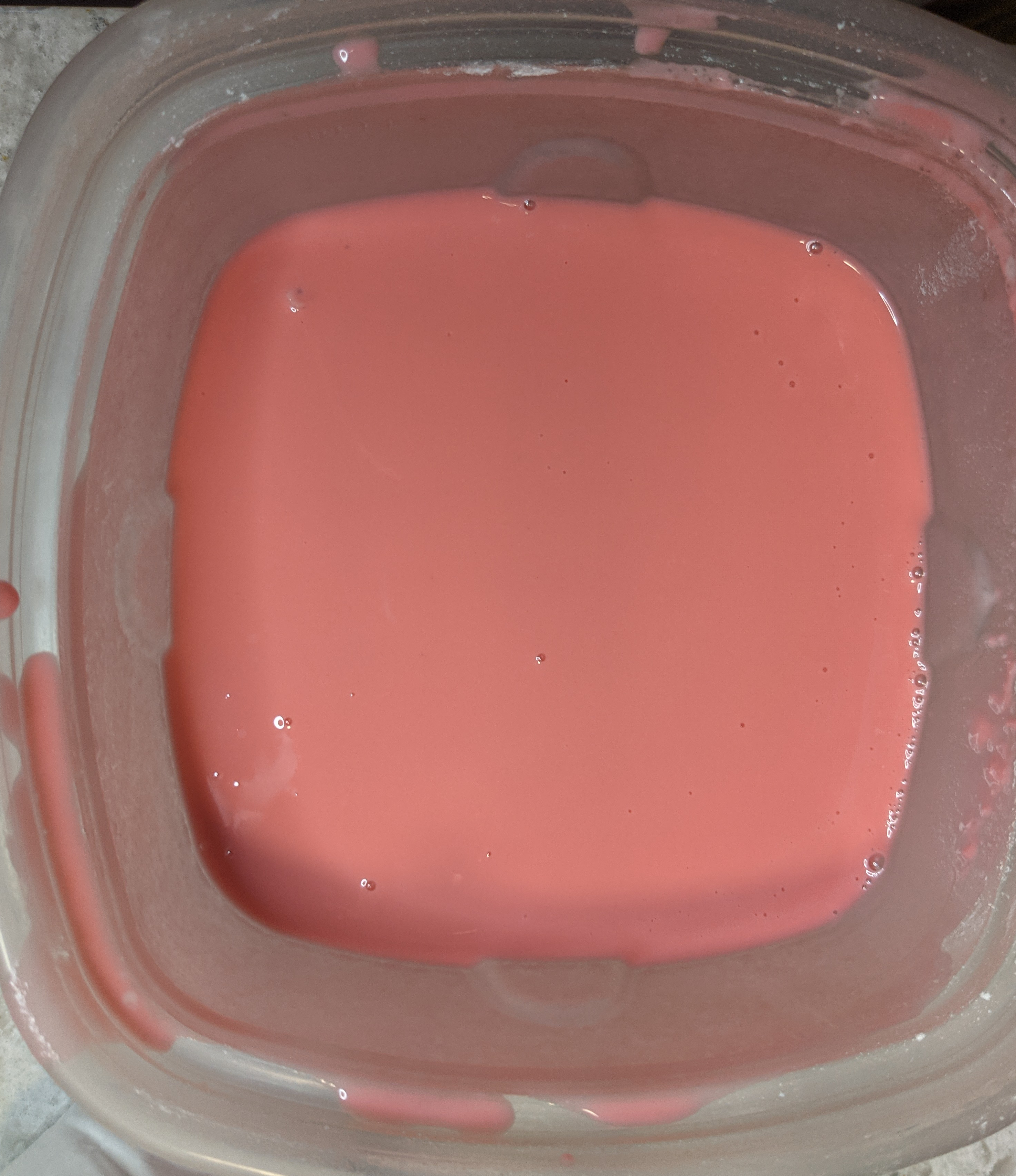
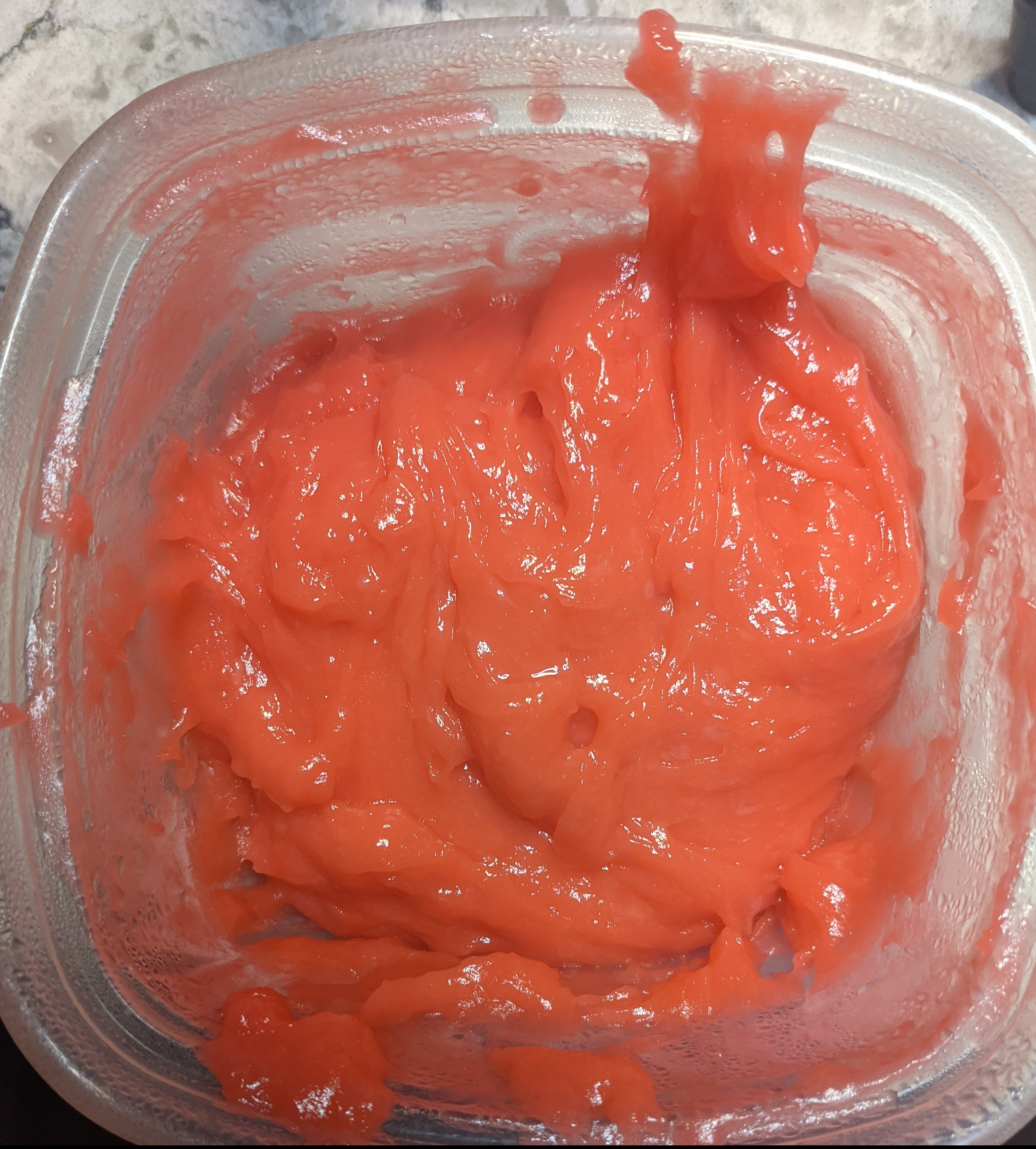
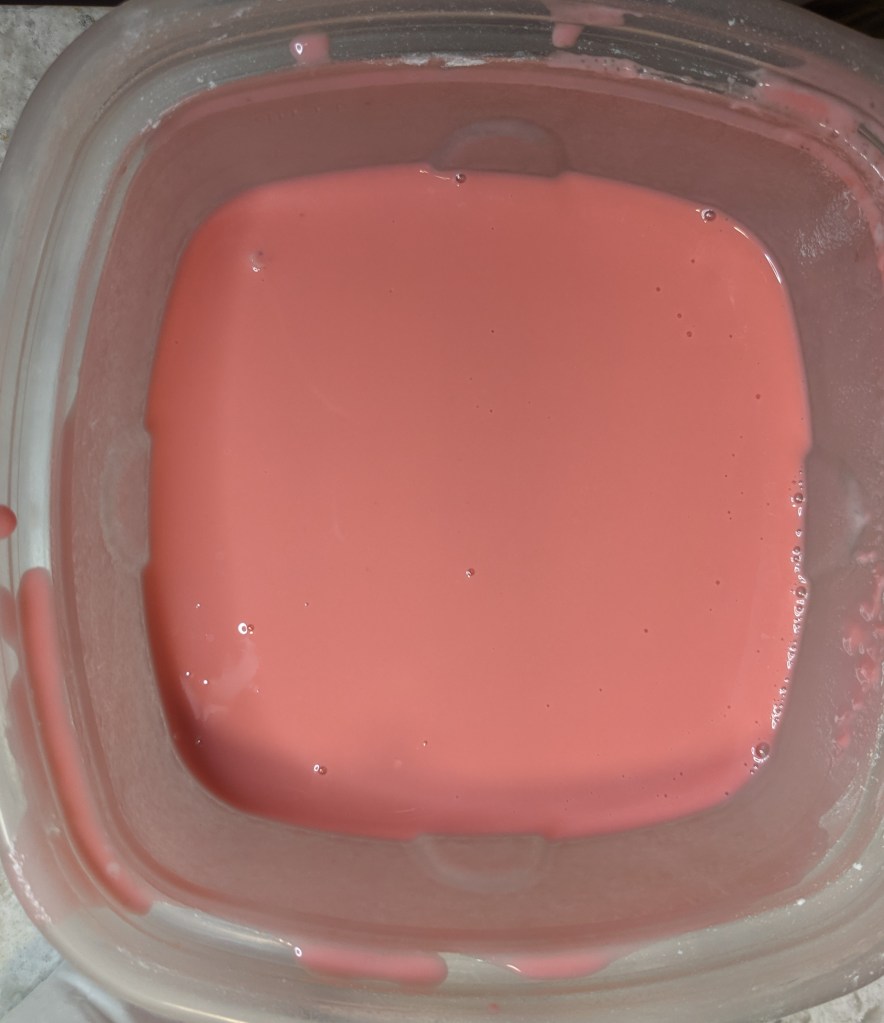
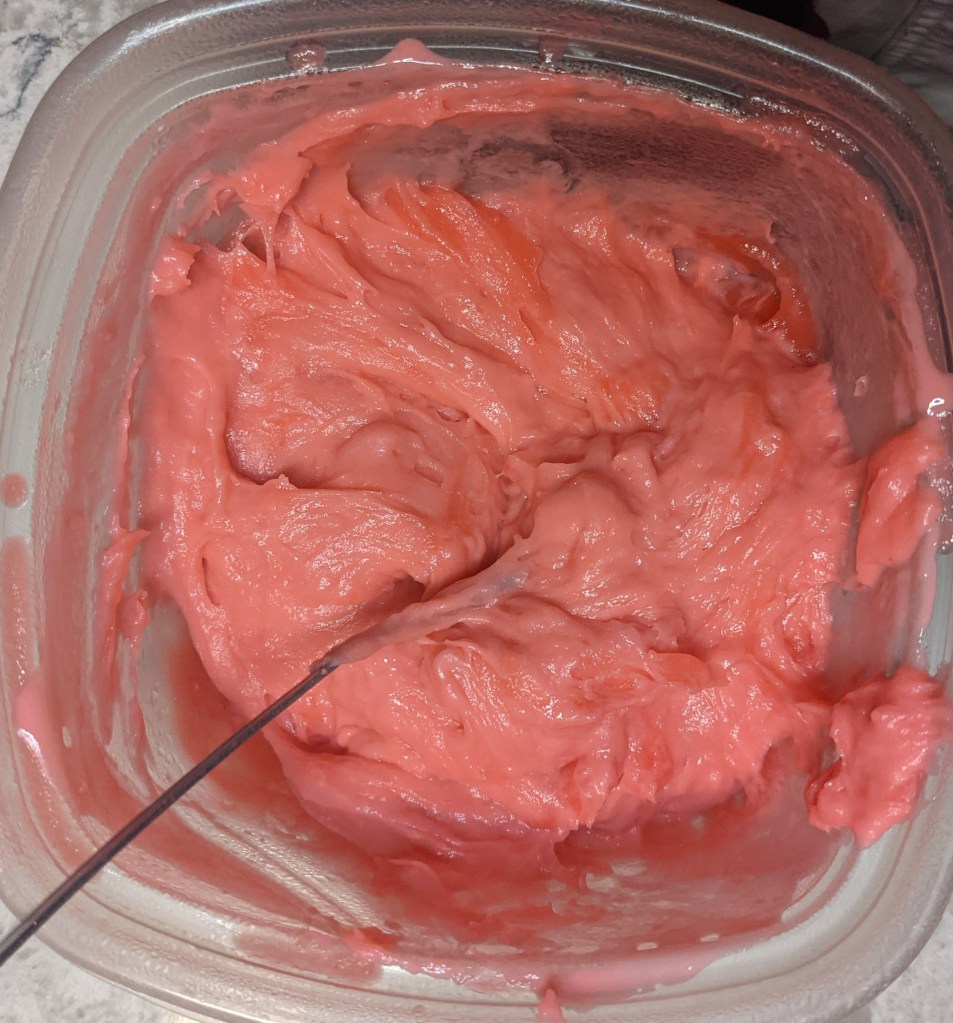
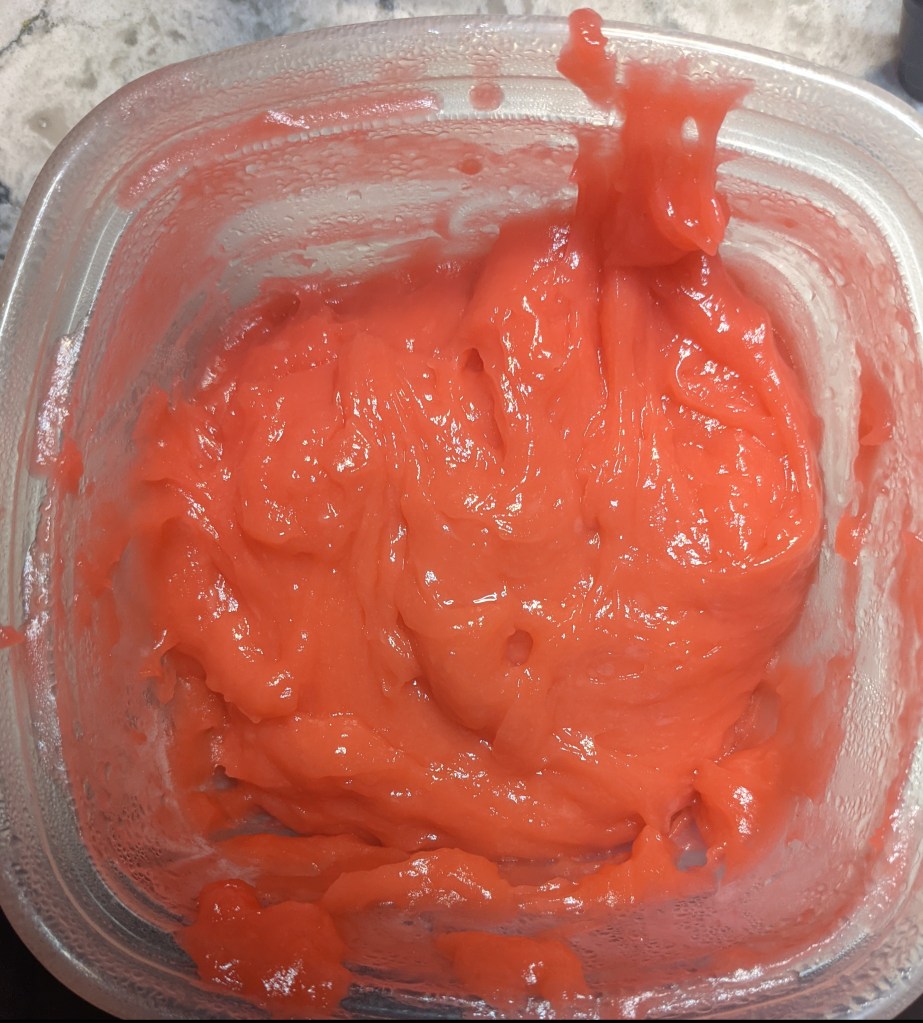
Once again I find myself at the mercy of an inadequate CBC recipe. Right off the bat I knew I had a problem when this called for red food colouring. Looking at the photos, I thought, hmmmmm maybe pink would be better, but I didn’t trust my own judgment because I was trying to follow the recipe. So I put a drop of red in and BOOM, as we can see, my mochi dough became alarmingly red instead of nice soft pink the way they are supposed to be.
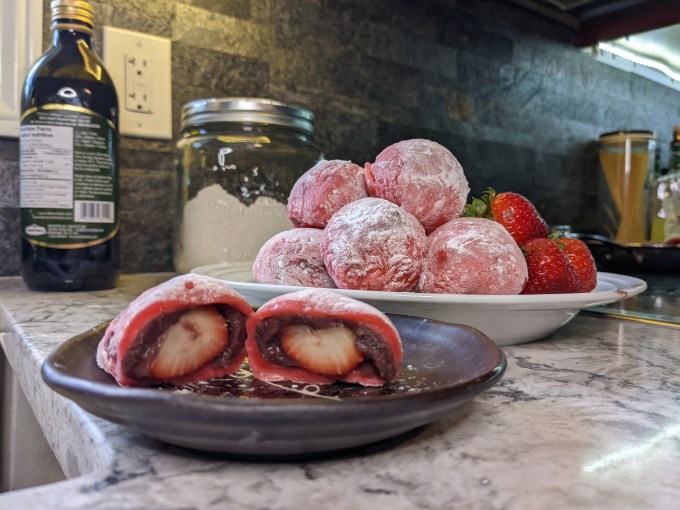
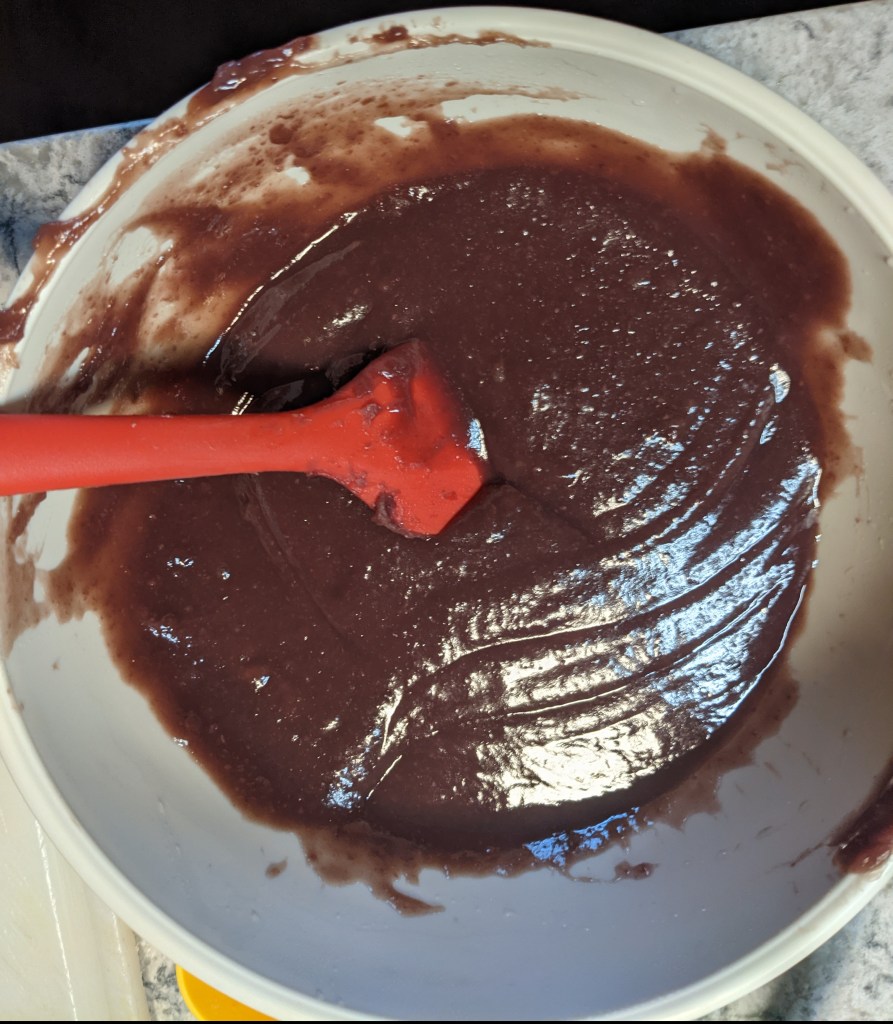
The other problem I had is the instructions didn’t lend a lot of insight about the consistency or texture of the bean paste. The judges made some comments about some of the bean paste being too gritty. I did a little research and found there were different types of bean paste with varying consistencies, so I tried to make mine completely smooth. The instructions seemed to be saying to just sieve the beans to process them. I tried that first but found the final product was way too liquid to be shaped. So I added the solids back into the strained stuff and blended with the immersion blender. I think I also just had a too much liquid left in the beans before I processed them so the final paste was a little too soft to really sculpt around a strawberry.
By the time I got through the bean paste, I had completely abandoned the CBC recipe so I watched a youtube video by an ACTUAL Japanese person to figure out how to form the mochi. To be honest, I didn’t even read the CBC assembly instructions (and I still haven’t) but I am confident they are inauthentic and unhelpful.
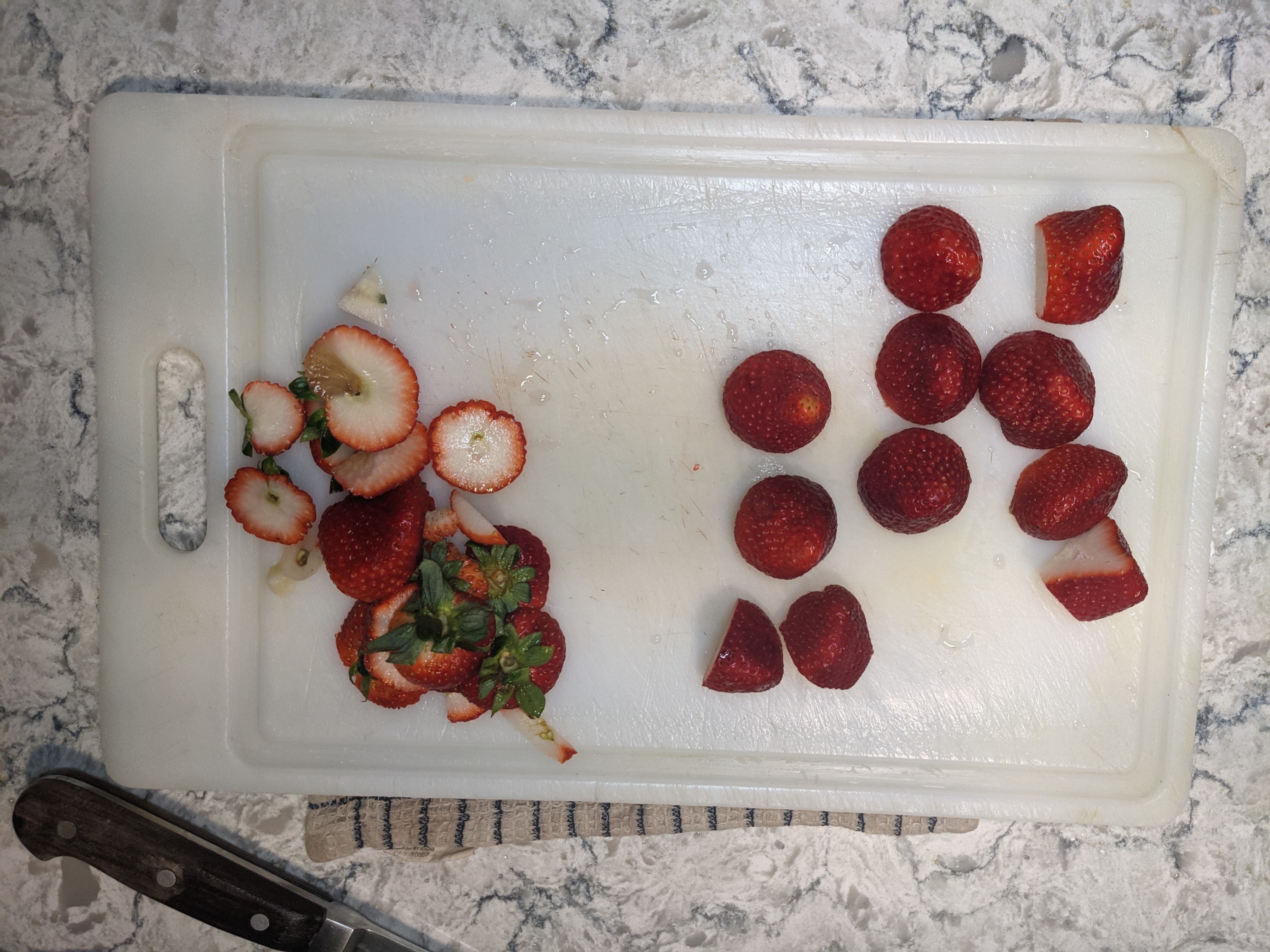
Finally I was kicking myself for not doing this one during actual strawberry season. I rarely (never?) buy imported strawberries that are available year round. Without even getting into an ethical debate about local produce, I just don’t use them for the simple fact that they are absolutely terrible to eat. The worst. Adding insult to injury in this case is the fact that out of season strawberries are huge. In a perfect world I would have had little bite size ones to fit into these mochi whole. Instead I had to cut up the best strawberries I could find into smaller pieces and assemble the mochi around them that way.
The final presentation of these was ok but not great. I had difficulty getting the mochi dough a consistent thickness all the way around. It was thin on the top and thick on the bottom. I am sure I would improve at this with practice but I don’t know if I would make these again. They are a little bit of a niche snack and they don’t keep for long. If you can’t serve them all at once to a group of people who will eat them, they aren’t really worth the effort. I will say the strawberry was a tastier addition than I expected and worked well with the bean paste. I might give these one more go next year with better strawberries just for the sake of redeeming myself. We shall see what the future holds.
Step 1: Red Bean Paste
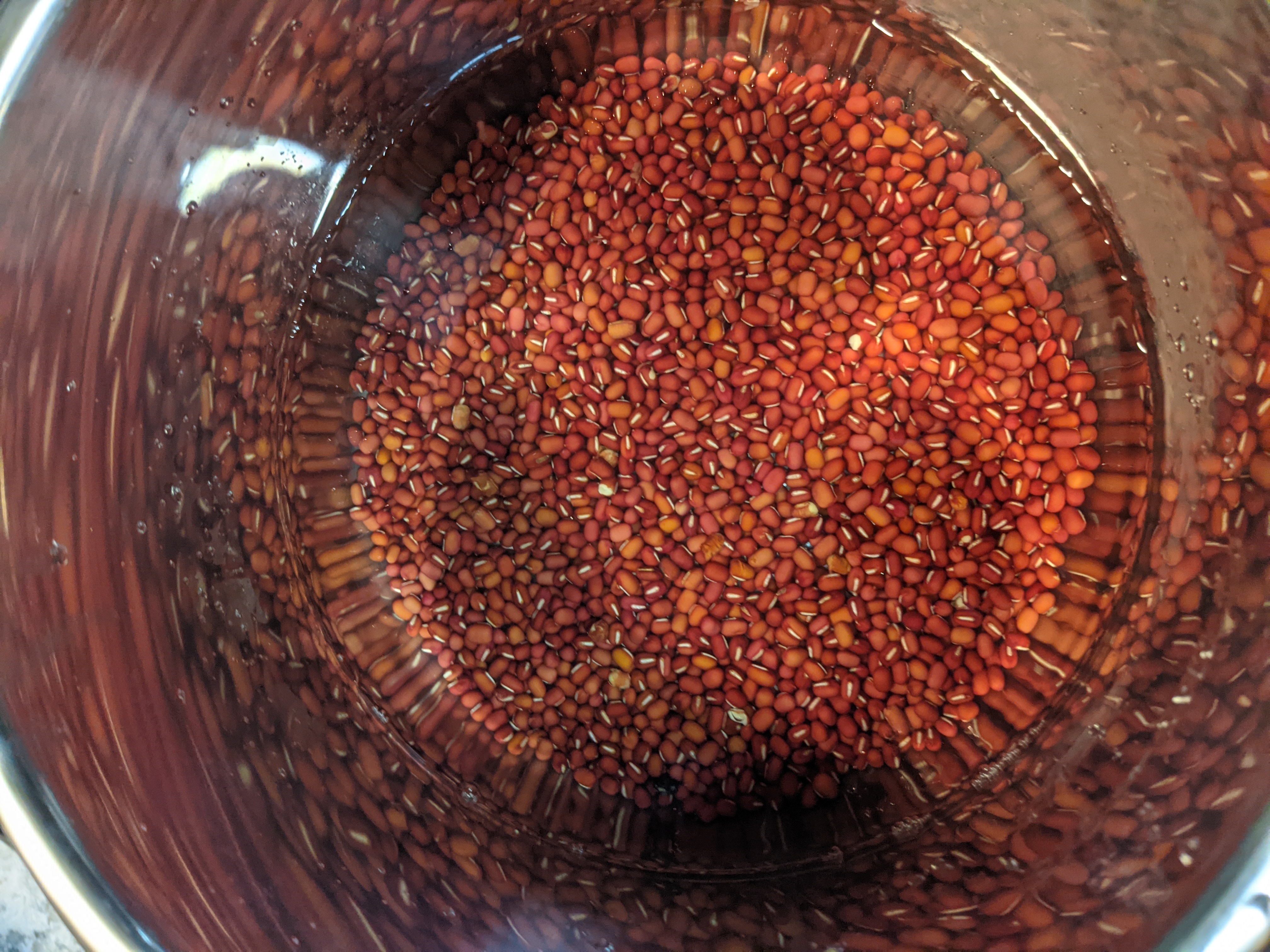
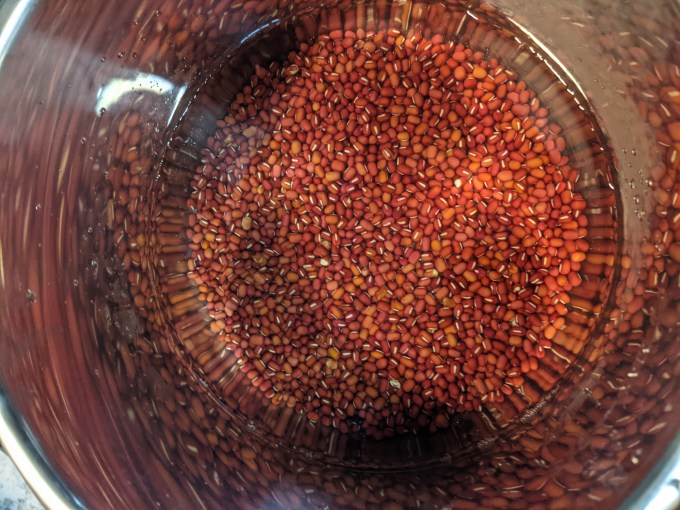
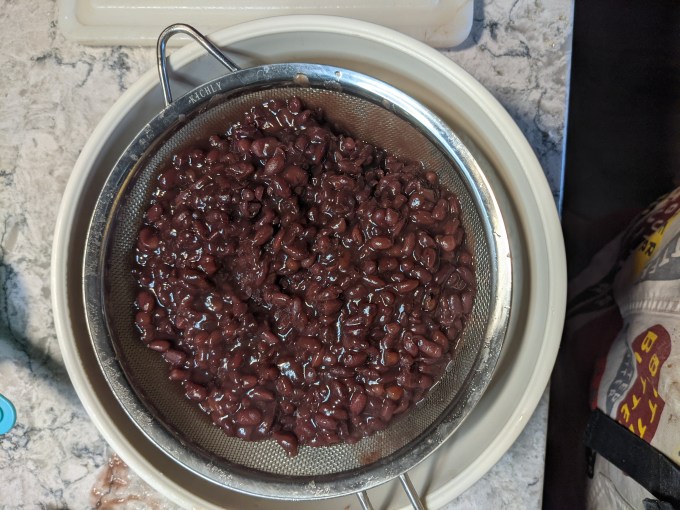
Adzuki beans are rinsed and cooked in a pressure cooker until completely softened. The beans are drained and then returned to the heat. Sugar is added and the beans continue to cook until all the liquid is absorbed.
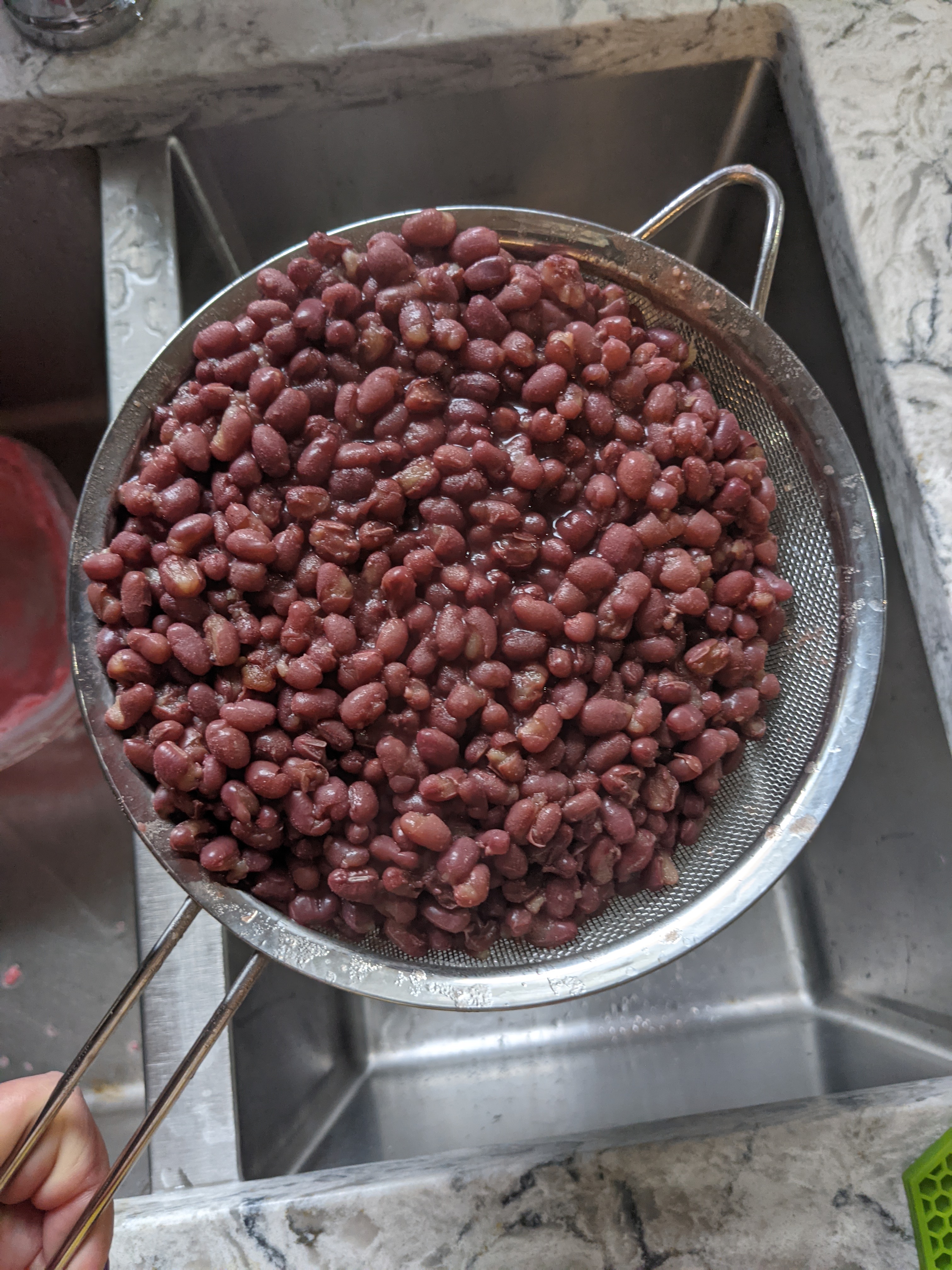

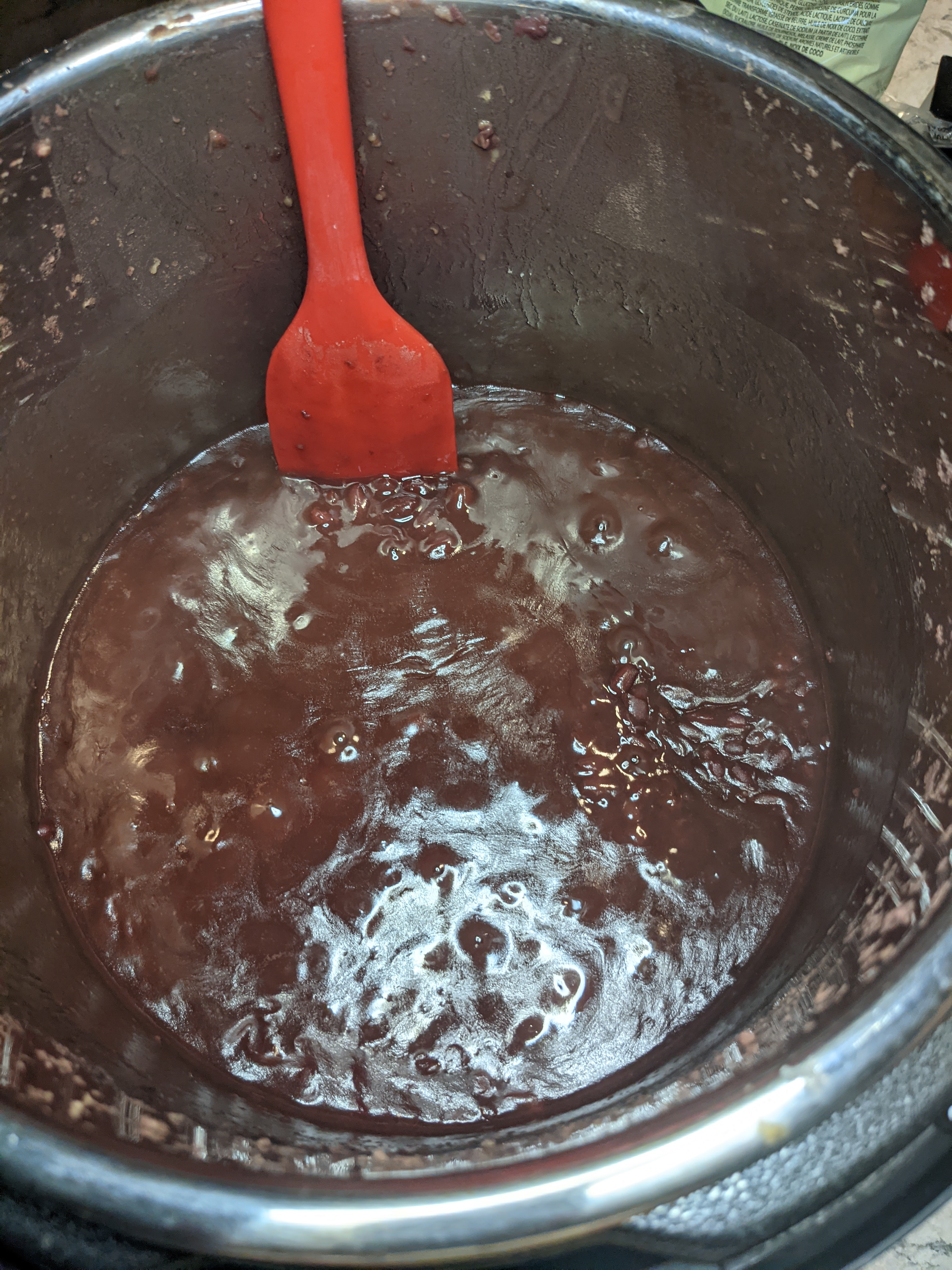
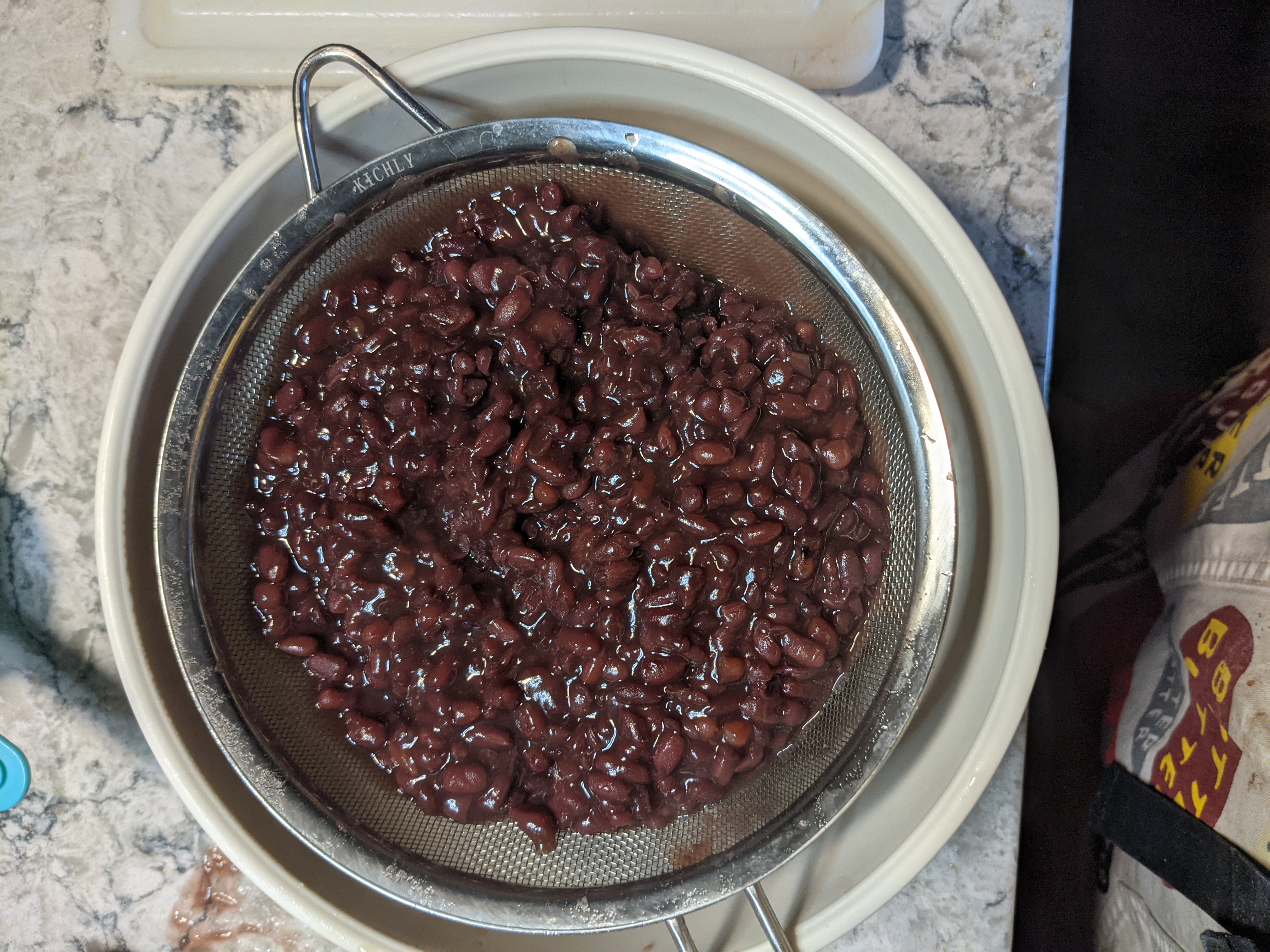
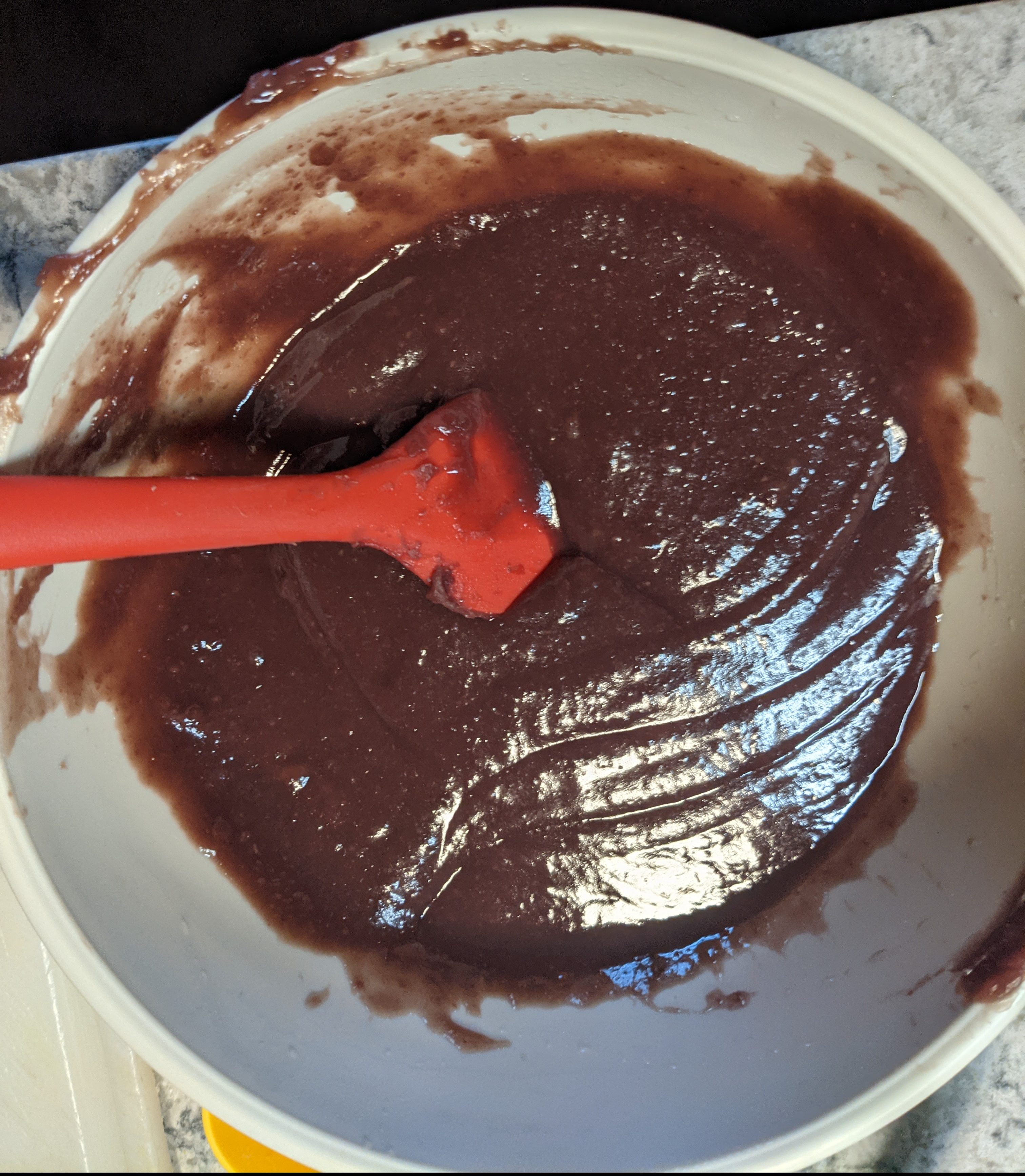
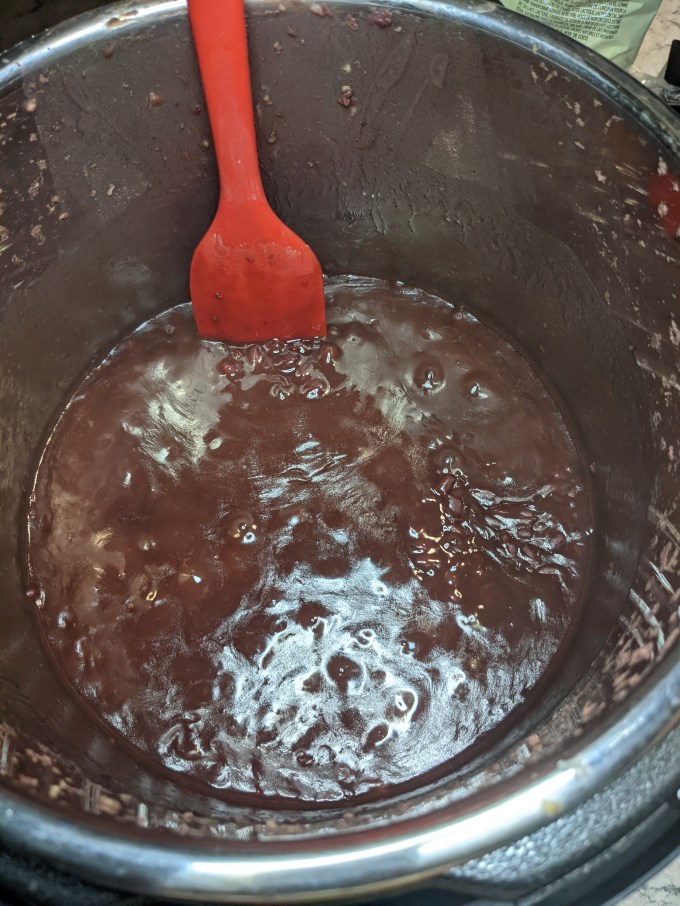
As I mentioned above, the recipe instructions then call to sieve the beans, which I did, but I had difficulty getting the paste to the right consistency. In the end I used a combination of the sieve, the immersion blender, and returning the mixture to the heat until I got the paste thick enough that I could work with it but smooth enough that it wasn’t gritty or full of bean skins when eating it. The paste is left to cool until needed.
Step 2: Mochi Dough
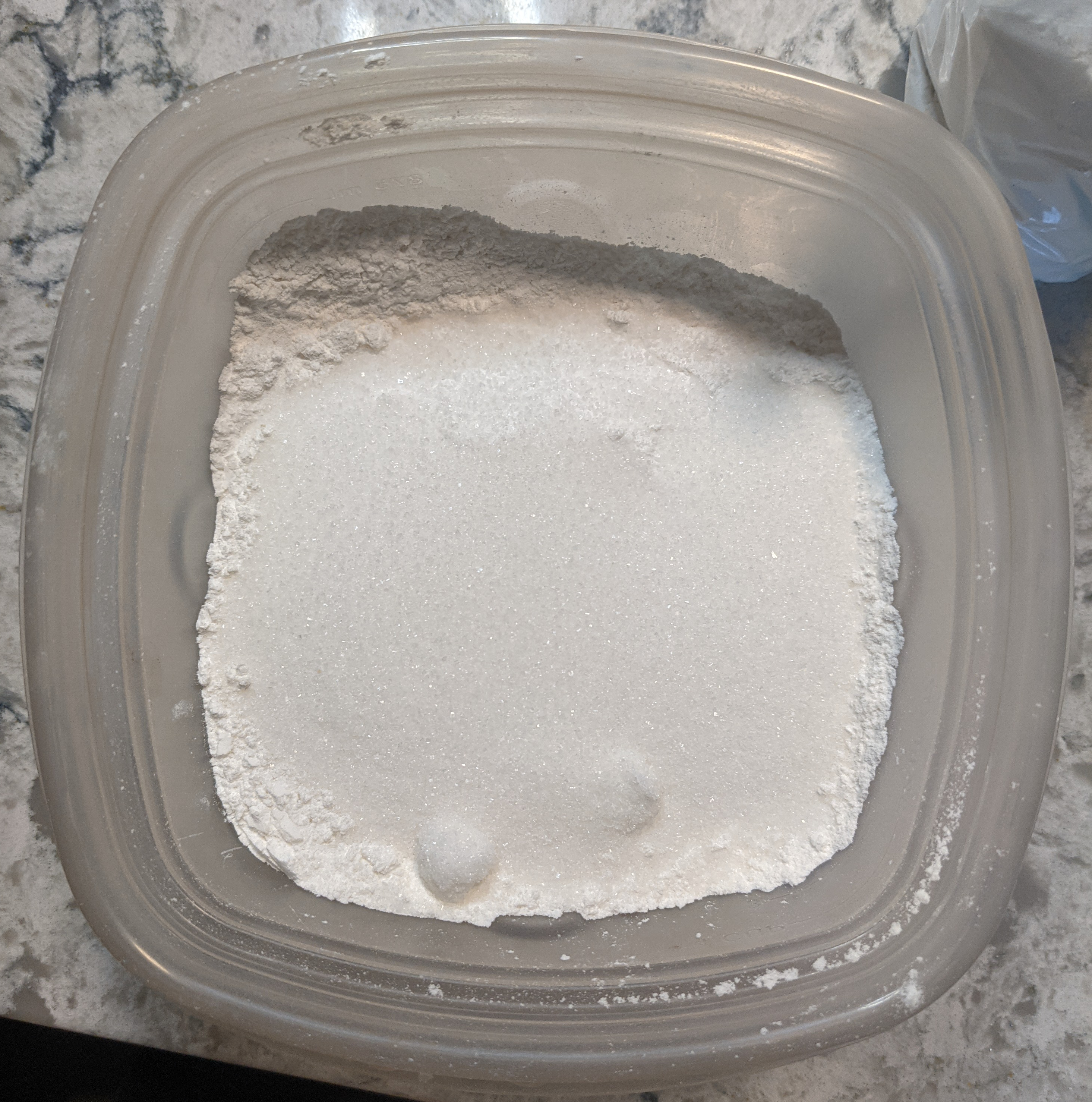
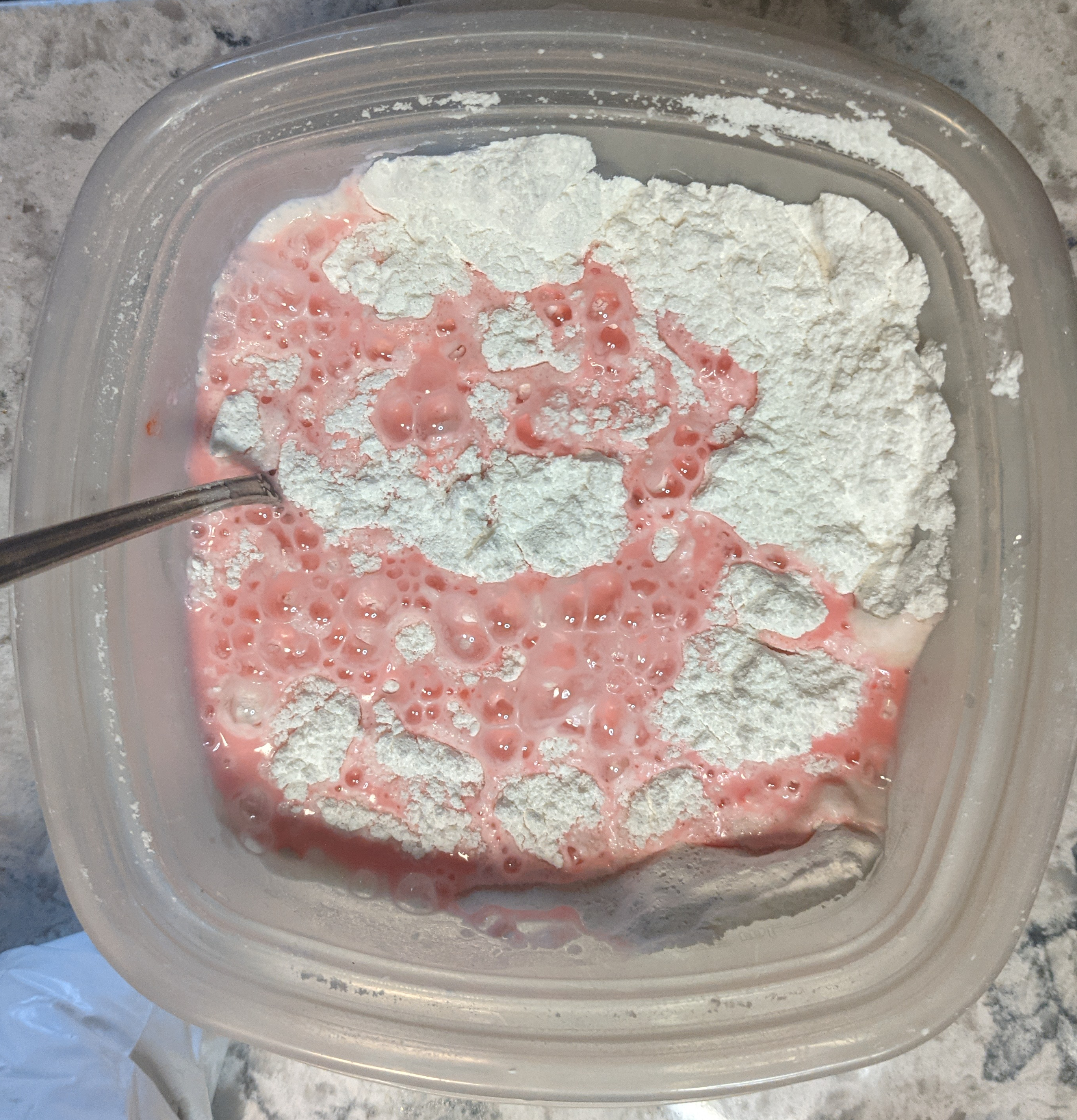
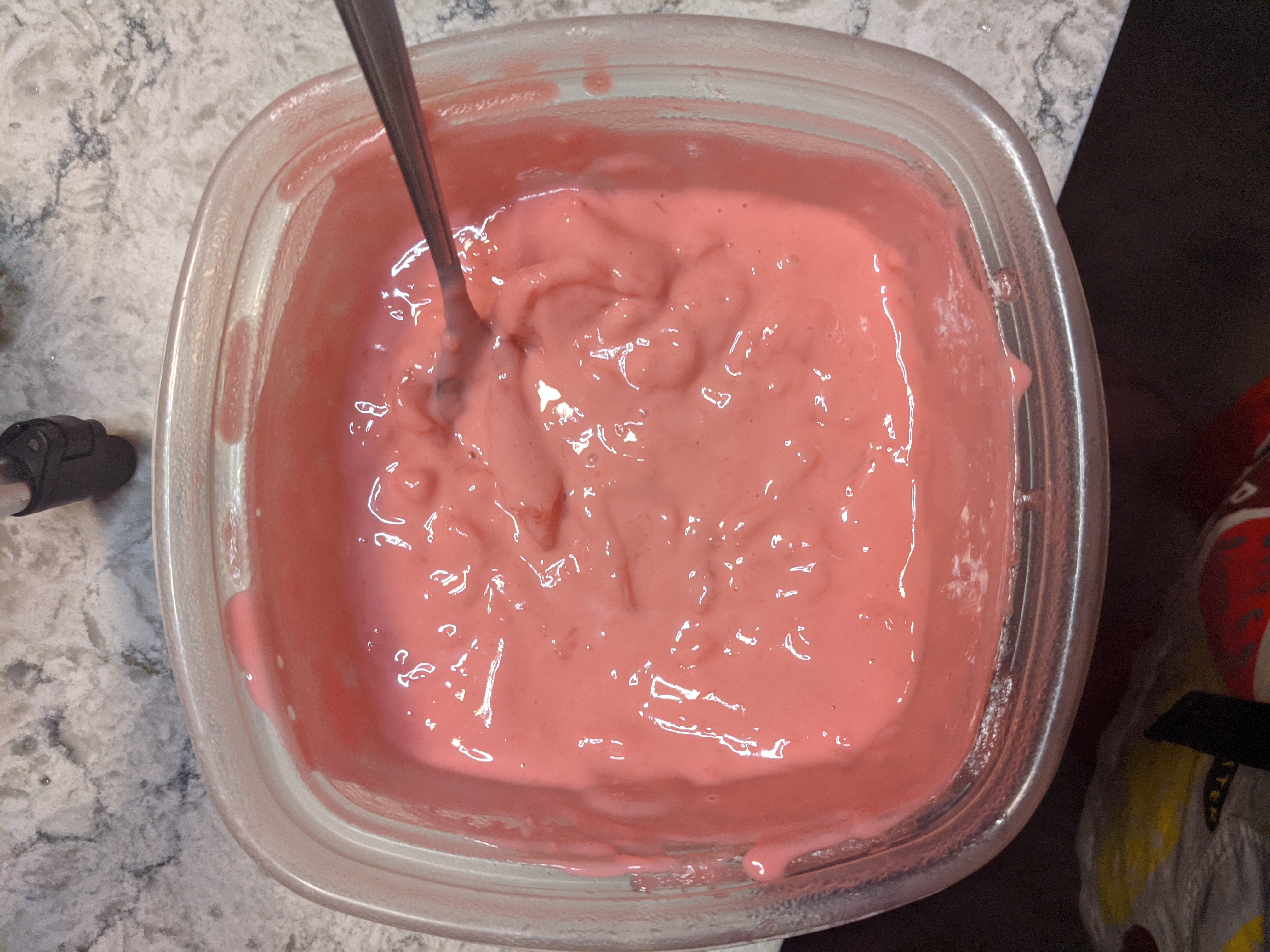
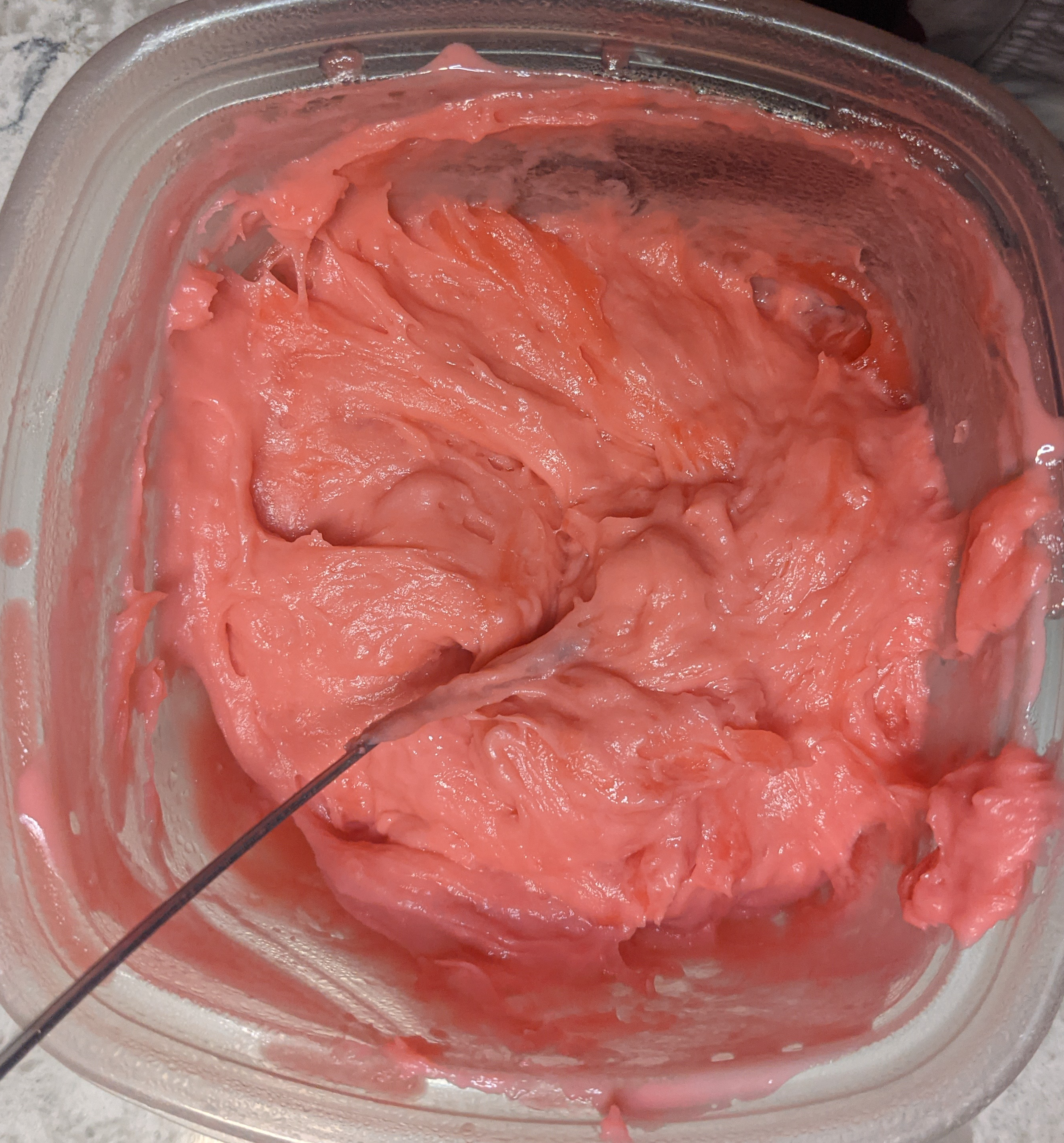
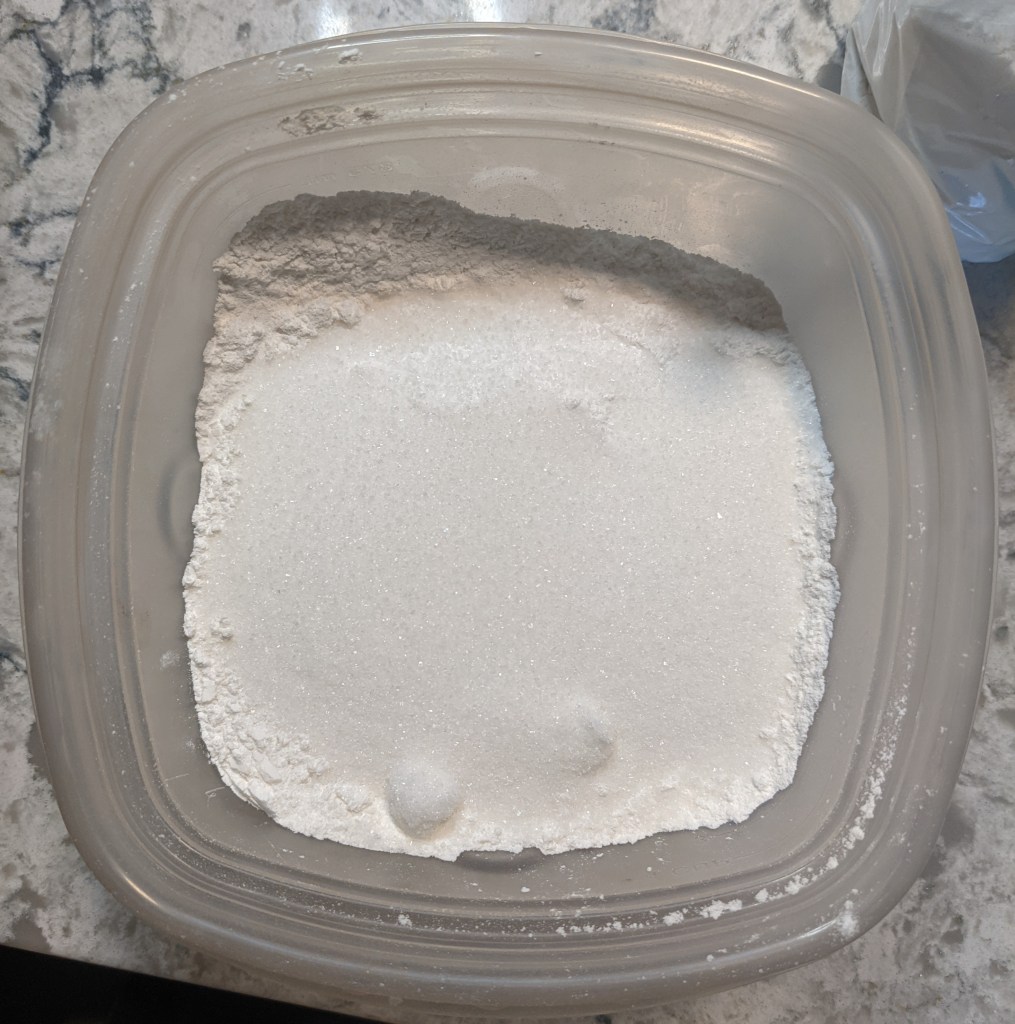
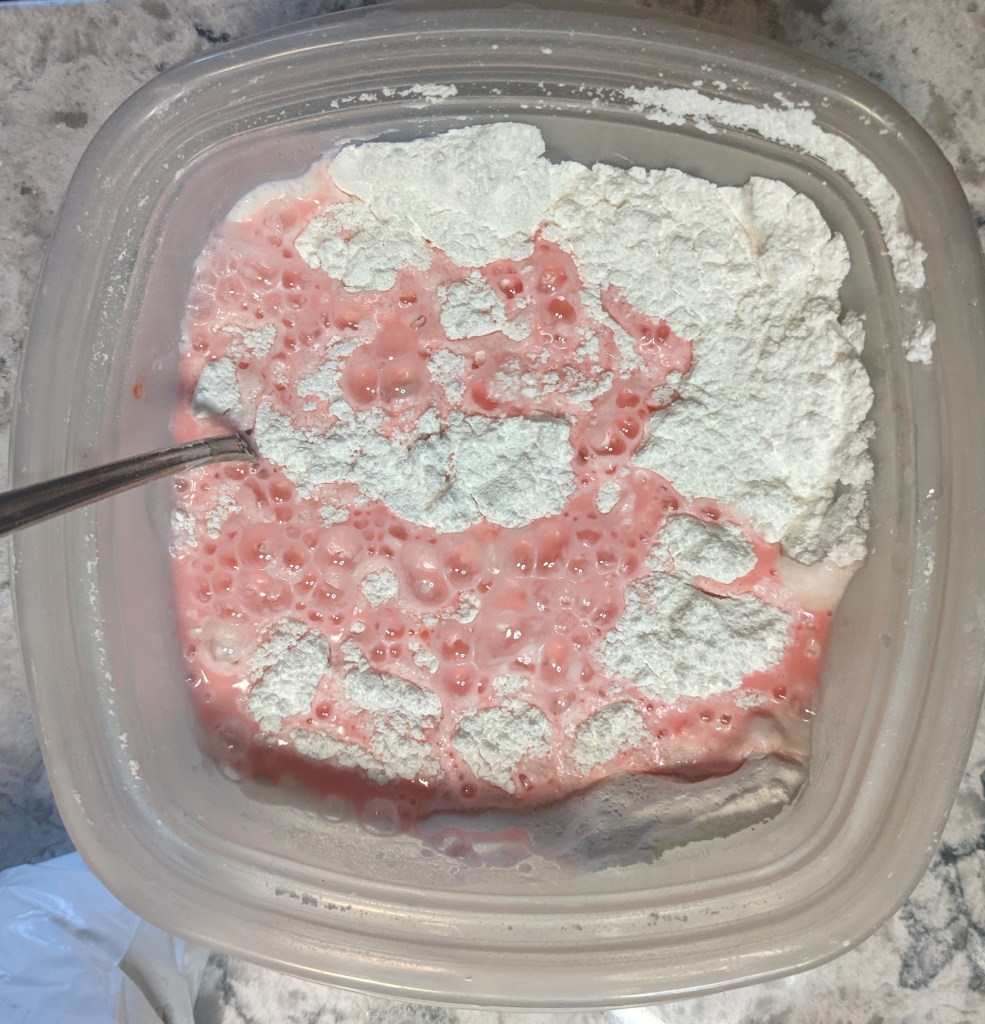
The mochi dough is quite simple to make. Sweet glutinous rice flour (aka mochiko flour), sugar, and water are mixed and tinted with food colouring. This makes a thick liquid which will cook up into the pliable dough. The heatproof bowl containing the mixture is placed in a steamer. The dough gets stirred once during steaming to ensure it cooks evenly. The mochi is fully cooked and ready to use once it become a solid, elastic mass.
Step 3: Assembly
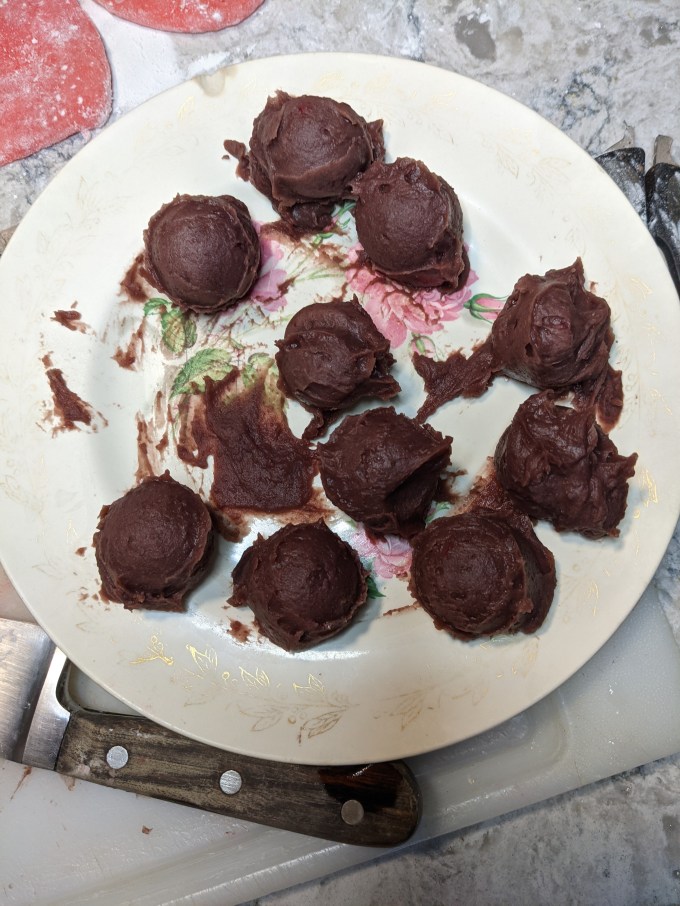
As I mentioned, I cut the strawberries into bite size pieces. I couldn’t get my bean paste as thick as it needed to be to roll it around the strawberries. What I ended up doing is I took an ice cream scoop and scooped up a ball of paste. Then I pushed the cut strawberry into the scooped paste until it was totally enveloped by the paste and then used the release on the scoop to drop the paste ball onto a plate. It worked well enough. I put the balls of scooped paste into the fridge to get them to firm up as much as possible.

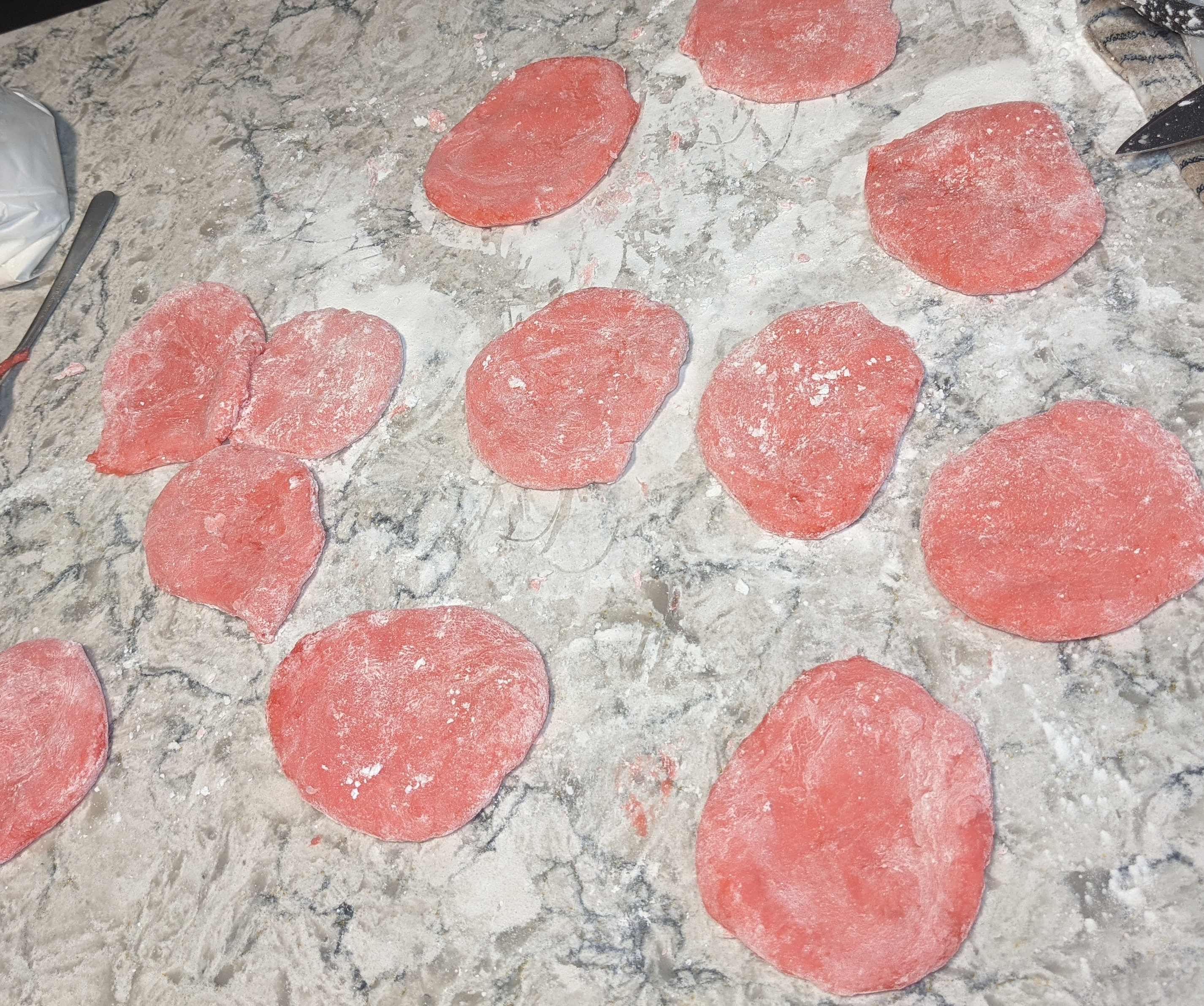
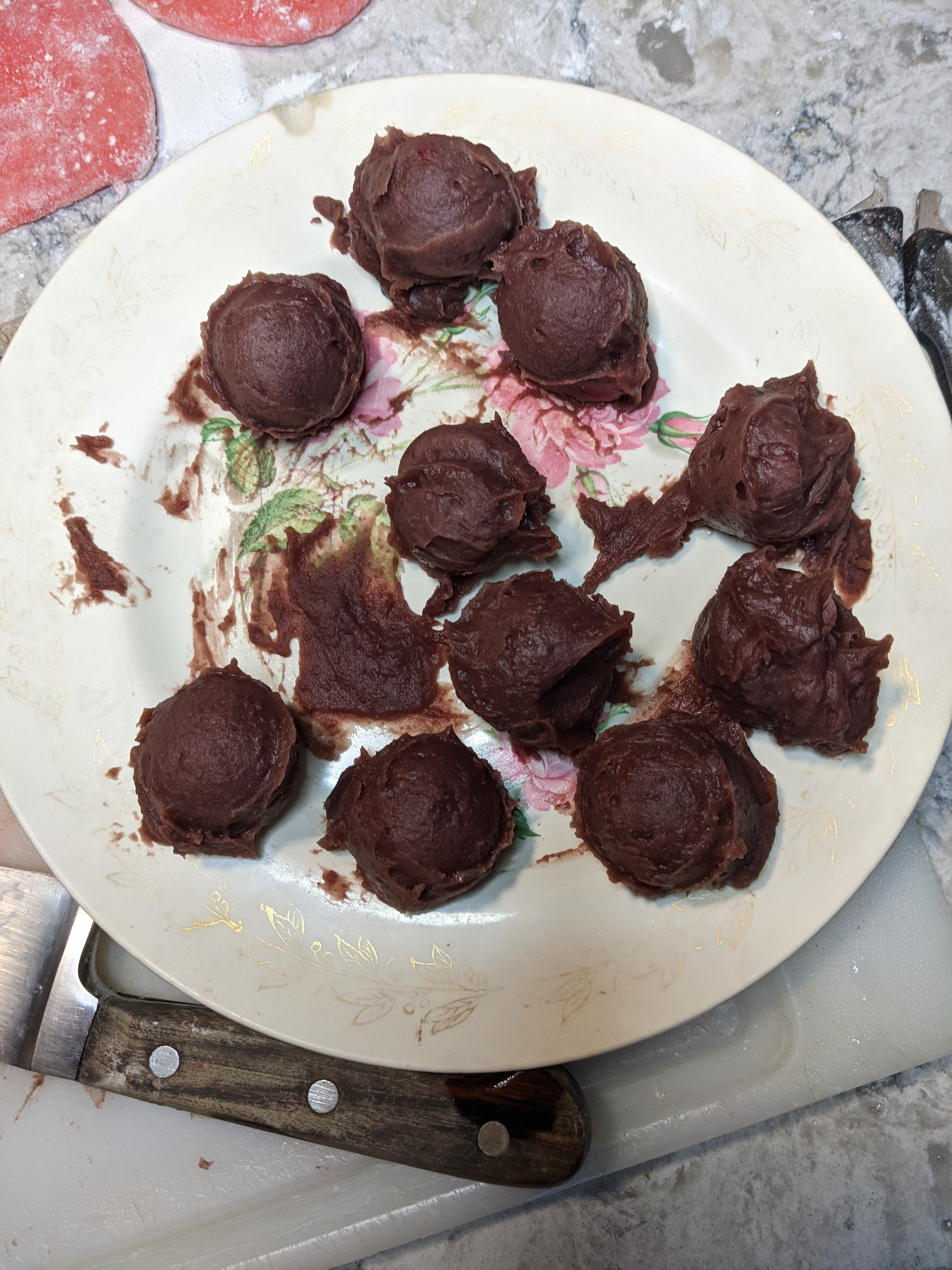
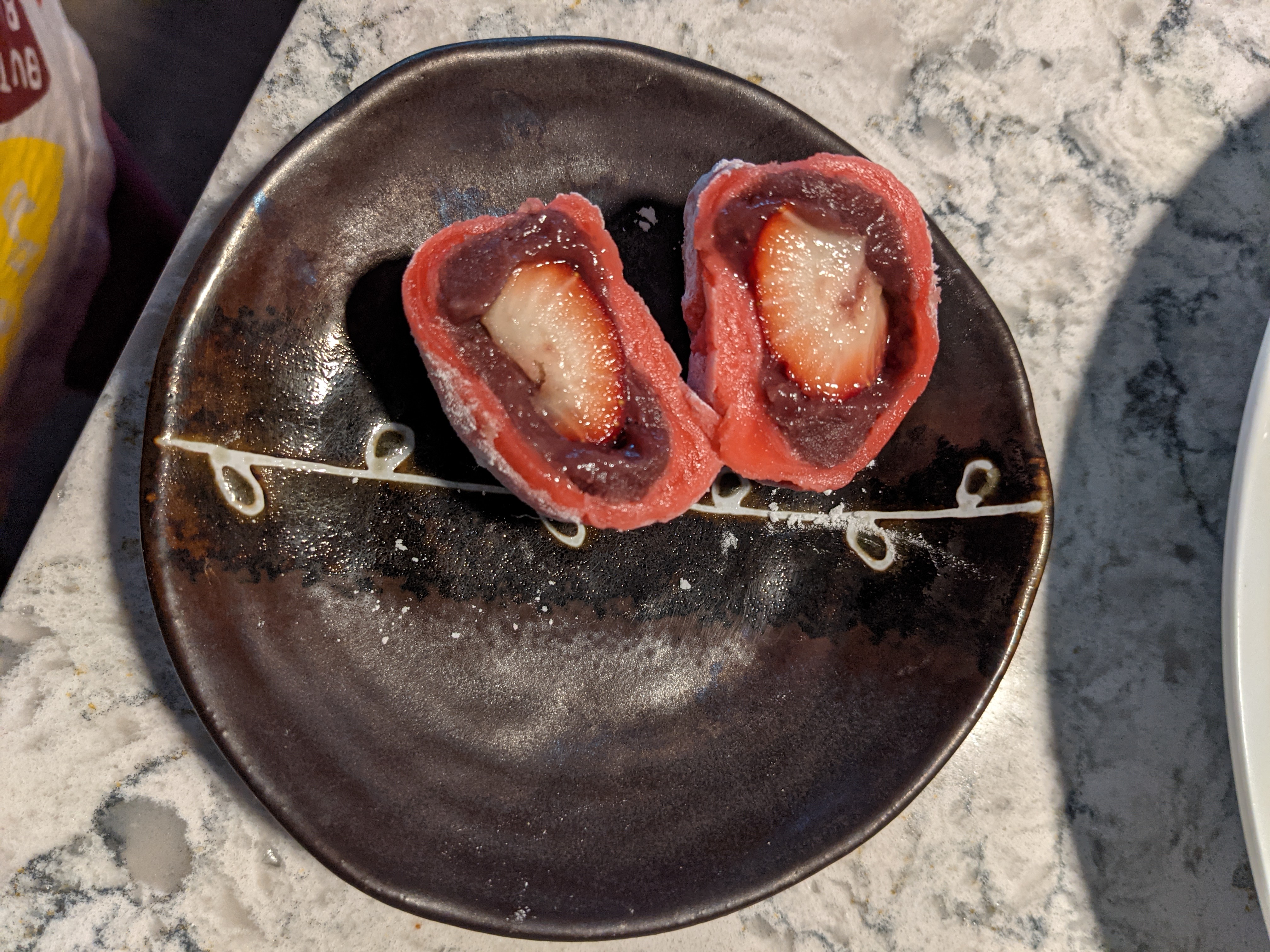
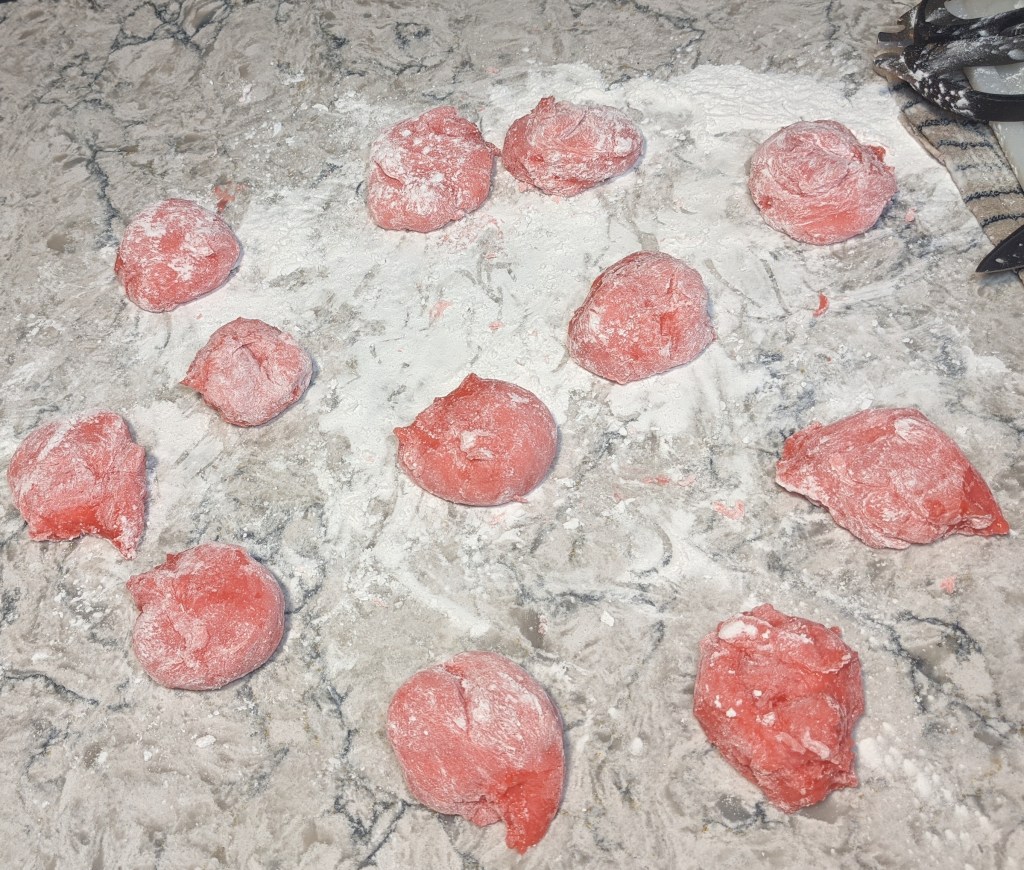
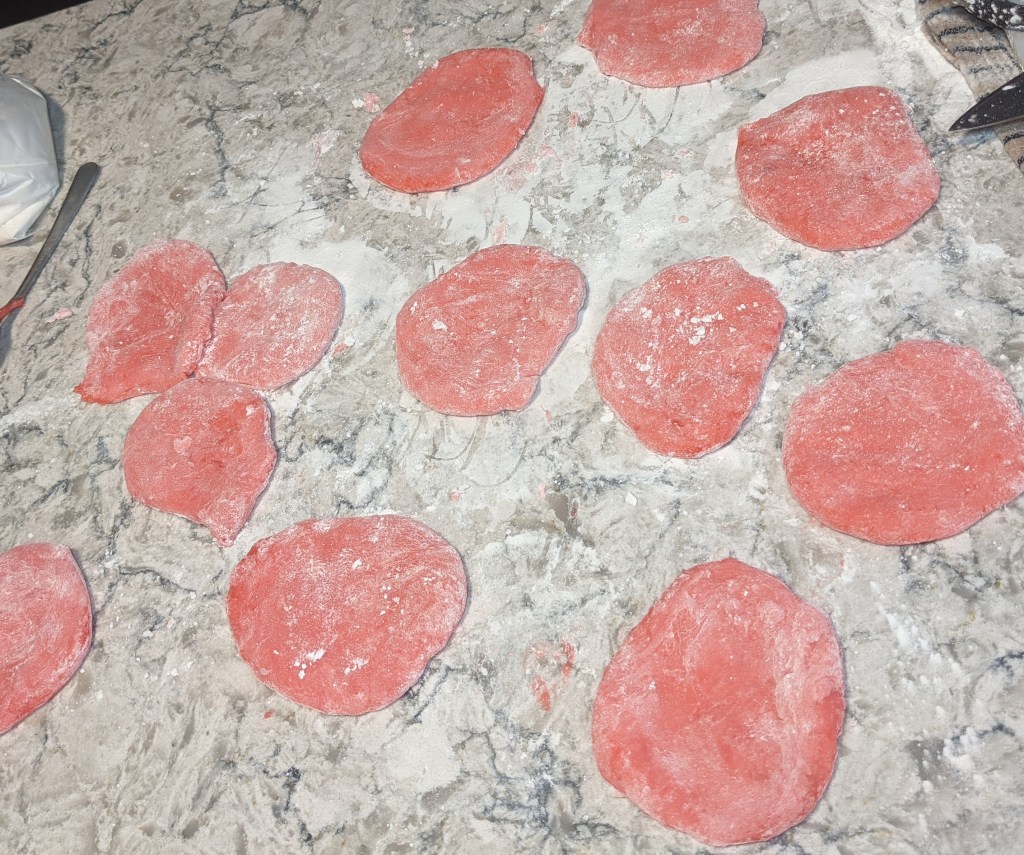
For the final assembly, I completely departed from the CBC instructions and just tried to get them on the plate. I kind of did a hybrid of what the Japanese YouTuber said and what I did when I made the Garden Dumplings previously. The warm mochi dough gets divided into pieces. I took the pieces and rolled them out a little bit just to get them to the approximate size they needed to be. The disc of mochi is place on an open palm and then a ball of stuffed, chilled bean paste is placed on top. The edges of the mochi are then brought around the paste and pinched to seal. The idea is the mochi starts out a little to small so you have to stretch it around the paste to make it nice and thin all the way around. I did ok with making it thin, but I found the dough on the bottom ended up super thick and I ended up cutting a lot of it away. The YouTuber I looked at who obviously has a lot more experience doing this was able to wrap his and seal them without ending up with a big blob of leftover dough. I could probably get there with a little more practice.
Gallery




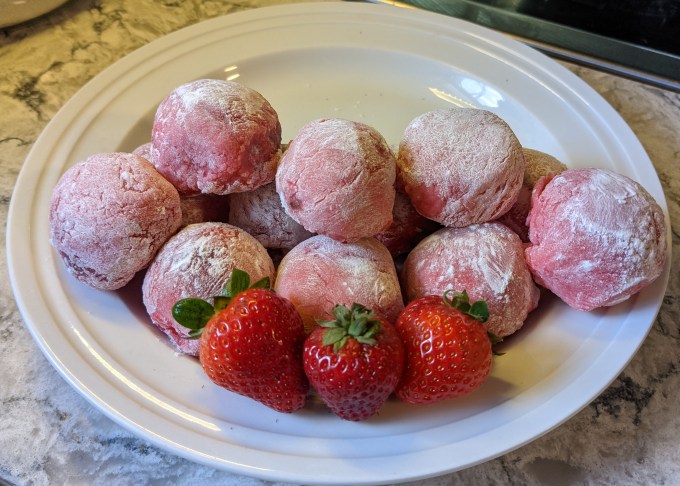
So that is all there is to it. A simple and satisfying little tea snack. Mine were not exactly instagram worthy to look at, but they were tasty and the strawberry was a nice touch. I am glad this bake was on the list because I like to push myself out of my comfort zone a bit. Also it was interesting to make red bean paste. Red bean paste is a staple in many Asian desserts and snacks and I had no idea it was so simple to make. Another mystery uncovered here at Baking Summit. Until next time!
Hey, bakers! Check out my BAKER’S PANTRY index if you want to deep dive on specific ingredients when attempting this bake for yourself
 Baking Summit