Hey there, Friends and Fellow Bakers! I am finally back up to date with my posts and my hectic summer at work is waning so I should be back to posting Proving Ground posts soon! Yay! Also hello and welcome to any new readers! I have had some more traffic here recently. The orange chiffon cake was a hit, apparently. I think the algorithm is working in my favour right now as well because the new season of GCBS is going to drop October 17! CBC has revealed the new contestants (and a few of them are following me on IG now! EEK!), and I, for one, am STOKED.
Chocolate soufflé (recipe here) was featured on Season 2 Chocolate Week. This was an interesting choice for the show and a unique technical to watch. Since soufflé is so fragile, it needs to be served immediately out of the oven or it will almost certainly collapse. To get around this and judge everything fairly, the contestants on the show had staggered starts. It was super intense. I already find the chocolate week episodes stressful as it is, but this was something else. In addition to the weird and tense atmosphere created by the staggered start, once again the bakers had almost no instructions: “Make chocolate pastry cream; make meringue; make soufflé.” DAMN, CBC, THAT IS SOME COLD SHIT, BUT YOU DON’T SCARE ME.
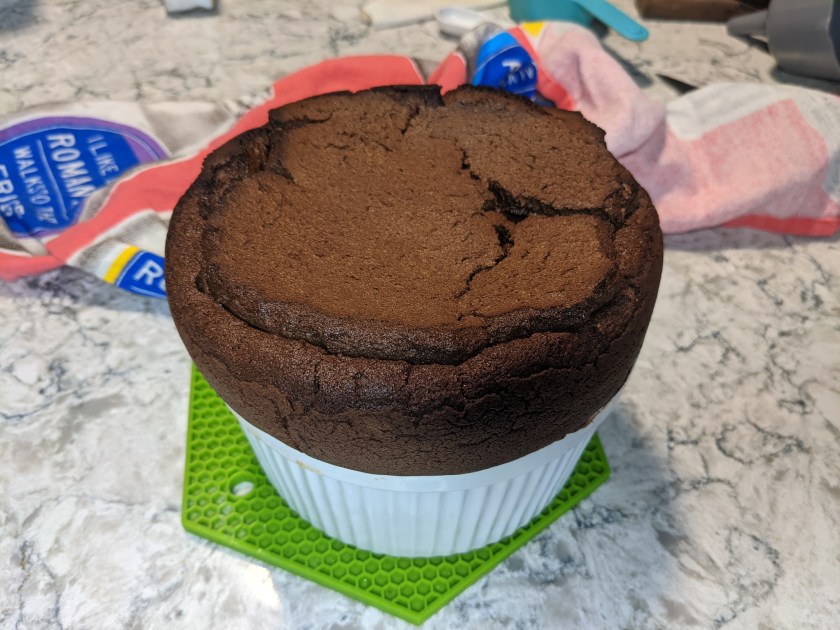
Mine attempt turned out just fine. I have made savoury soufflé a couple of times as an entrée, so I was comfortable with the basic method. There was small dark spot in one area of the top of mine. I didn’t want to open the oven to rotate the dish because that would be risky, and there is clearly a bit of uneven heat happening in my oven. Win some, lose some. I re-watched the judging on the show, and it’s fair to say mine held up to the top 3. I achieved all the things the judges were looking for: significant rise, full incorporation of the egg whites, smooth-silky texture, correct bake time. Of course, I had the advantage of the full recipe and I was comfortable going in. Some of the contestants had never made a soufflé at all in addition to the lack of instructions and freaky vibes, so they all performed marvellously, given the circumstances.
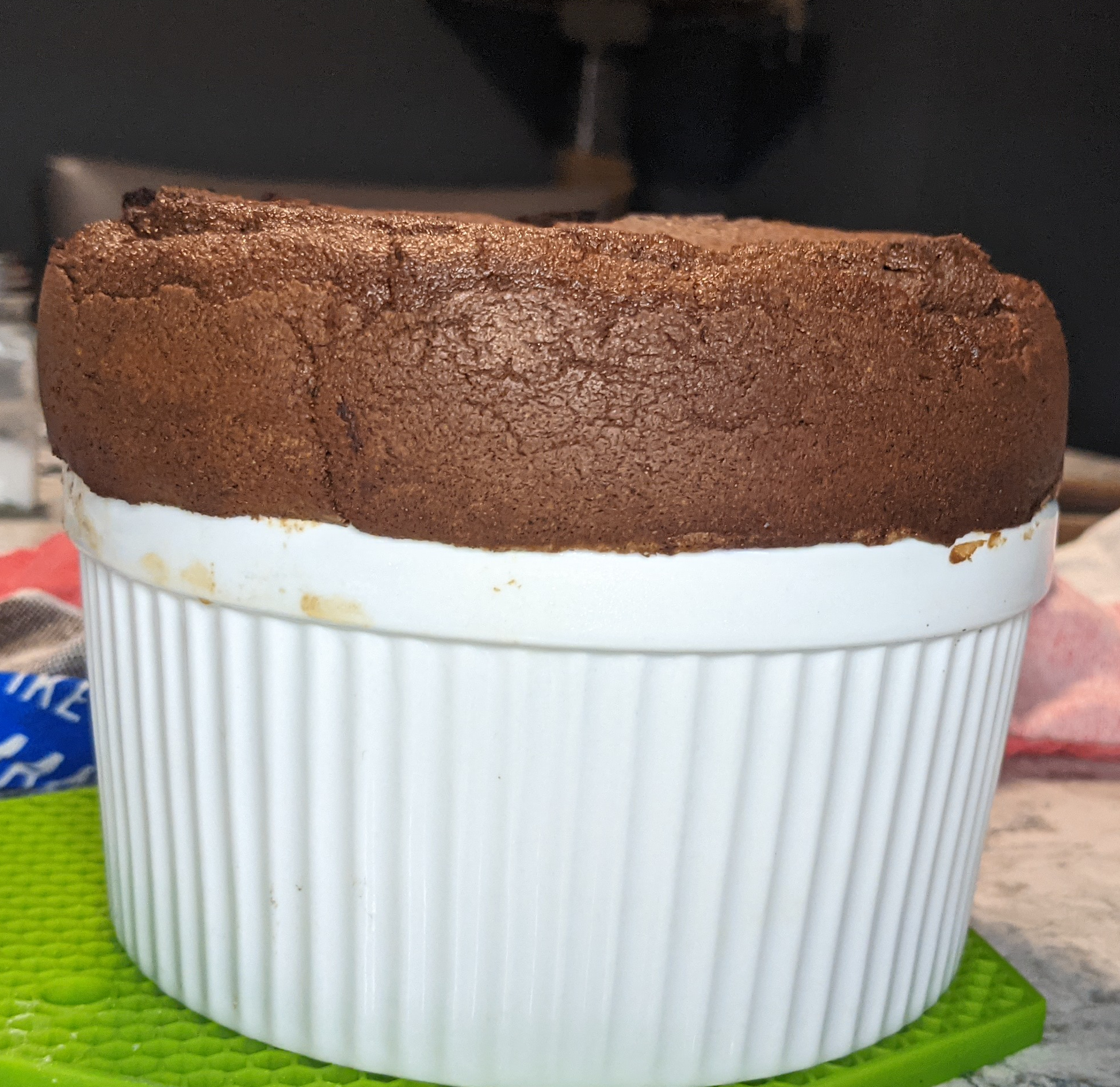
Soufflé is a baked pudding made with a meringue base which puffs substantially in the oven. It is relatively simple to make, but it has an intimidating reputation. I think this is partly because historically it was placed on a high pedestal in North America as a “Fancy European ThingTM. Now, thanks to the magic of the internet, things like soufflé just don’t have the same cache they did in 1962. The other reason soufflé gets a bad rap is because it’s so fragile and if you don’t eat it right away it’s basically garbage. As Elaine on Seinfeld once said about sex with David Puddy: “it’s like a big budget movie with a story that goes nowhere.” Soufflé is just smoke and mirrors and special effects. Which for me makes it silly and pointless, but not necessarily difficult.
Even though I executed this correctly, the chocolate soufflé was NOT well received here at Baking Summit. I didn’t like it because I found it way too rich and it was basically like being slapped in the face with chocolate (my lack of interest in chocolate is well documented here at Baking Summit: see here and here for details). No thank u. Dave didn’t like it either, which surprised me. He also said it was too rich (before he even heard my opinion of it) and didn’t like the texture (although he liked the entree soufflés I have made in the past, so go figure). We also both found it way too sweet (I have found this for several of the GCBS recipes. It is a matter of taste, of course, but I prefer to go more light-touch with the sugar). We both disliked it so much we didn’t offer it to anyone else. I think people who are really passionate about chocolate would like it. It’s not the recipe, we were just not the right audience for this particular bake. Hopefully there aren’t any more like this on the list, but there was bound to be one, I suppose.
Step 1: Chocolate “Pastry Cream” (and a little bit of discourse)
During the bake on the show, this step was referred to as “chocolate pastry cream.” The printed recipe does not call it that (because it isn’t), it just outlines steps for thickening the chocolate custard with flour, which I have never seen before. I was so confused watching the episode because of this terminology. When I hear “pastry cream,” I am thinking of eggs, sugar, cream, and cornstarch. Adding to my confusion is the fact that I knew there had to be some flour in here somewhere or the soufflé wouldn’t work. It wasn’t clear to me watching the episode where the flour was coming from, but I now understand it was in the “pastry cream.” I suppose they had to call this component something in order to make their devious three step recipe for the show, but I was very lost before I read the recipe.

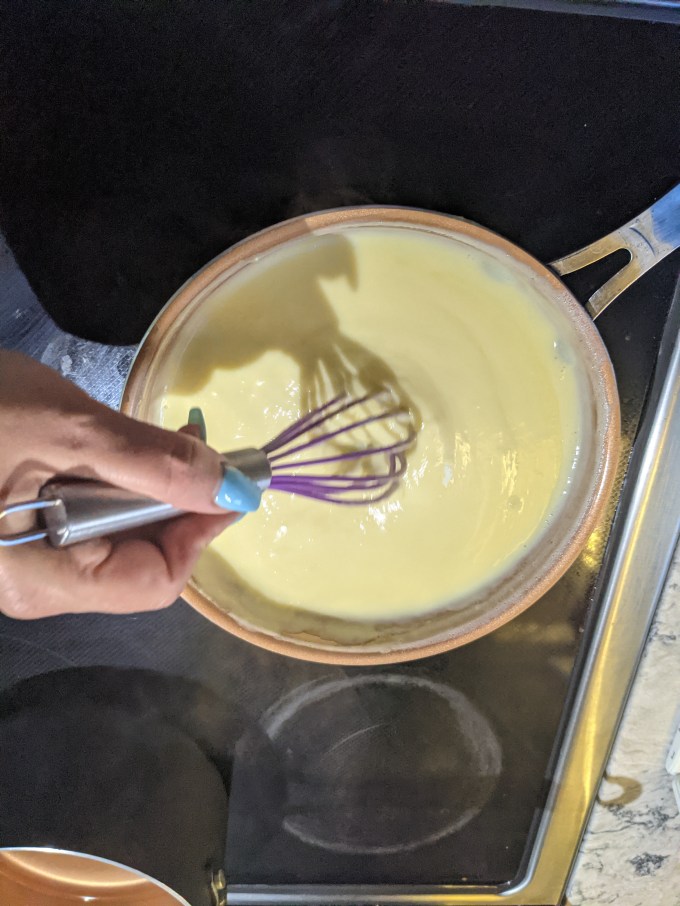
To contrast: when making savoury soufflé, a flour ROUX is cooked into the yolks and then folded into the whites. I now realize the CBC recipe has kind of adapted pastry cream to include flour so the science of the bake makes sense even if the nomenclature doesn’t. I know I am being pedantic, but this would have confused the hell out of me if I was a contestant! How do they keep their cool? If you tell me to make pastry cream and there is only flour in the basket of ingredients and no instructions, I am going to have a meltdown. DOES NOT COMPUTE.
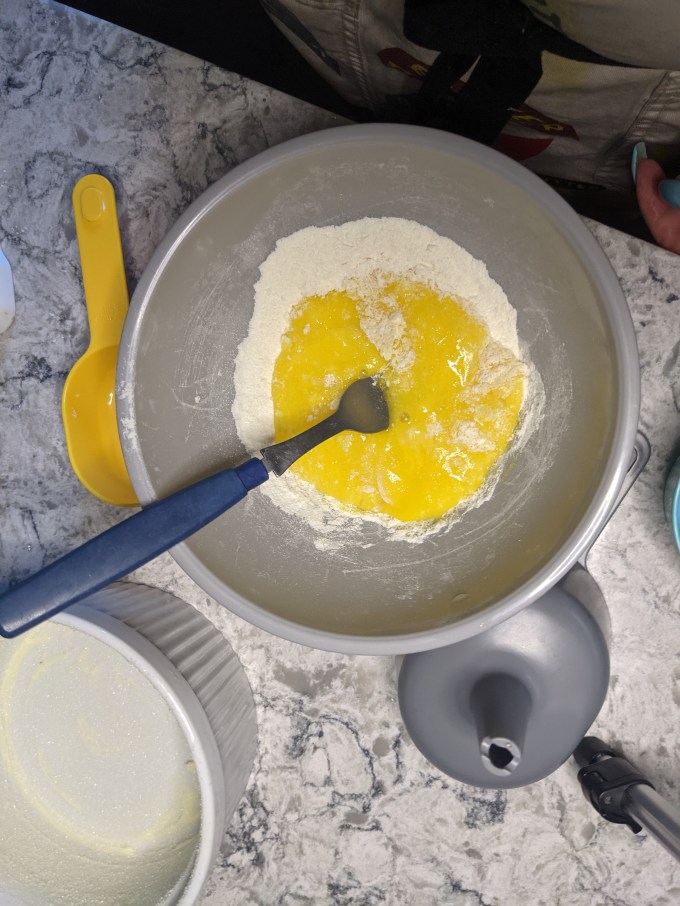
Now that I have that off my chest: here are the details. Chocolate is melted over double boiler. Milk and cream are scalded and egg yolks, sugar, flour, and vanilla are whisked together. The eggs are tempered with the hot dairy so they don’t scramble, then the chocolate is added. The whole mixture is brought gently up to boil, stirring constantly. It will thicken quickly once boiling and should be taken right off the heat.
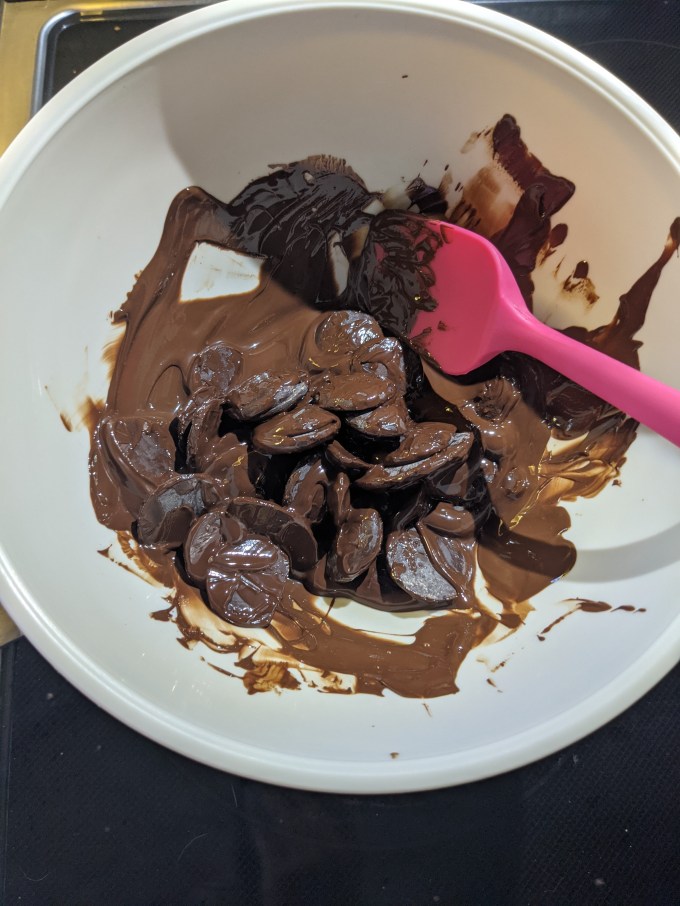
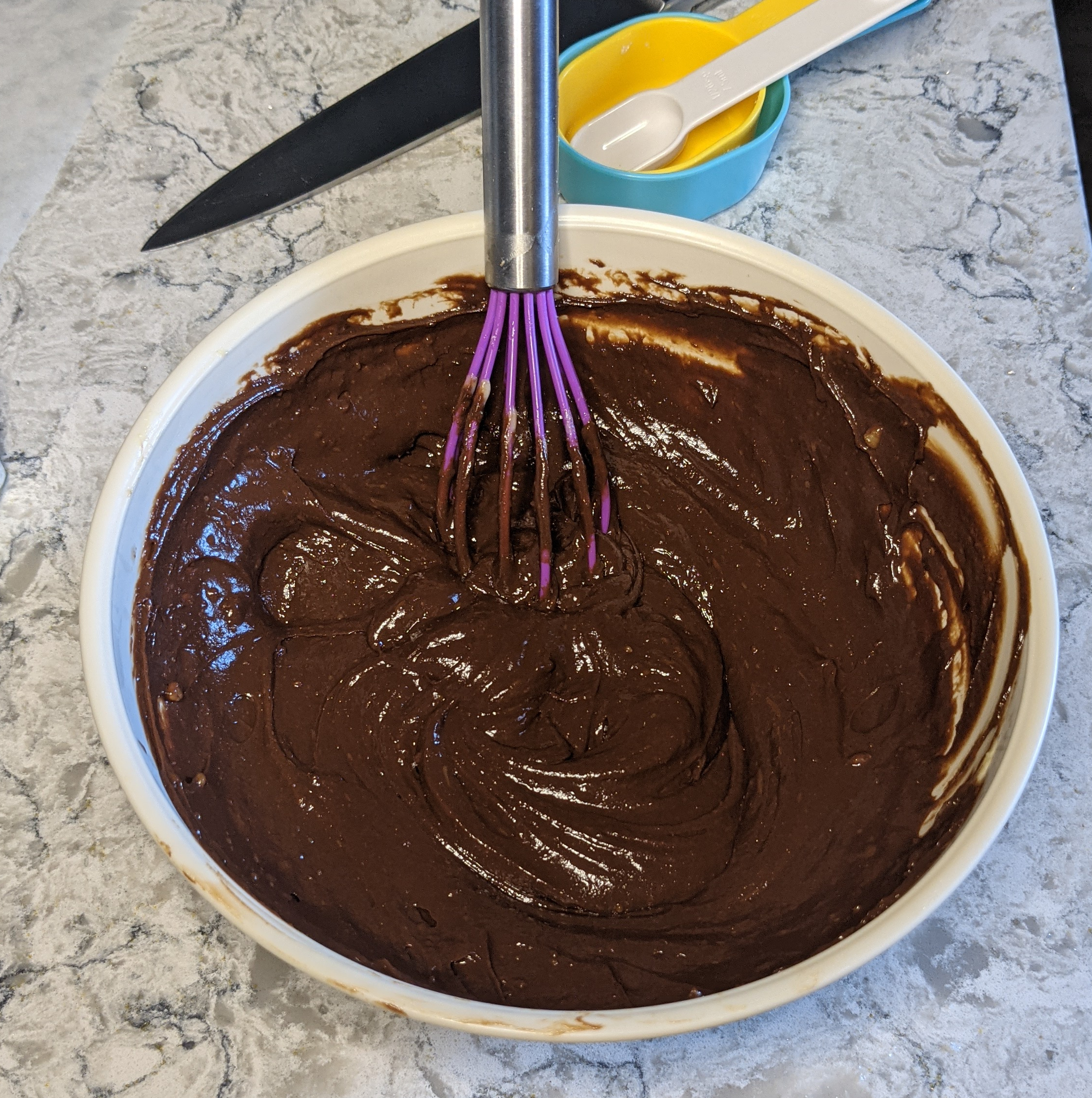
This recipe also included a bunch of unnecessary steps to spread the chocolate cream onto a sheet so it cools more quickly. This makes sense, and I did it because I am committed to doing all of these ridiculous recipes as written, but it would have been perfectly fine to just cool it in a bowl like a normal person.
Step 2: Meringue
I have had to make meringue for this project quite a few times and I am running out of things to say about it. I am glad I have gotten so much more comfortable and consistent making it since I started, I must say. That alone has made all of this worth it.
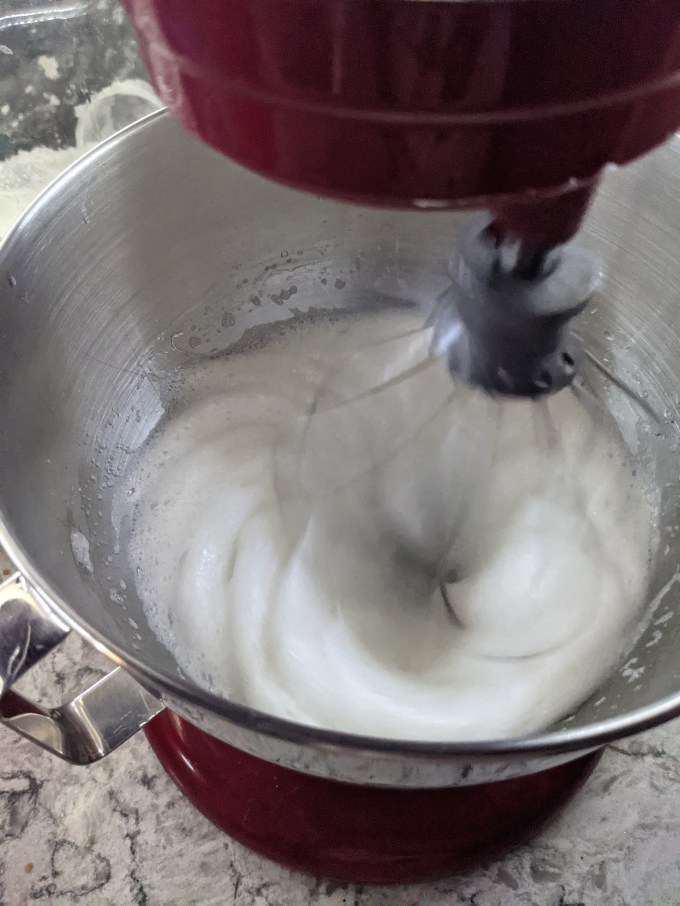
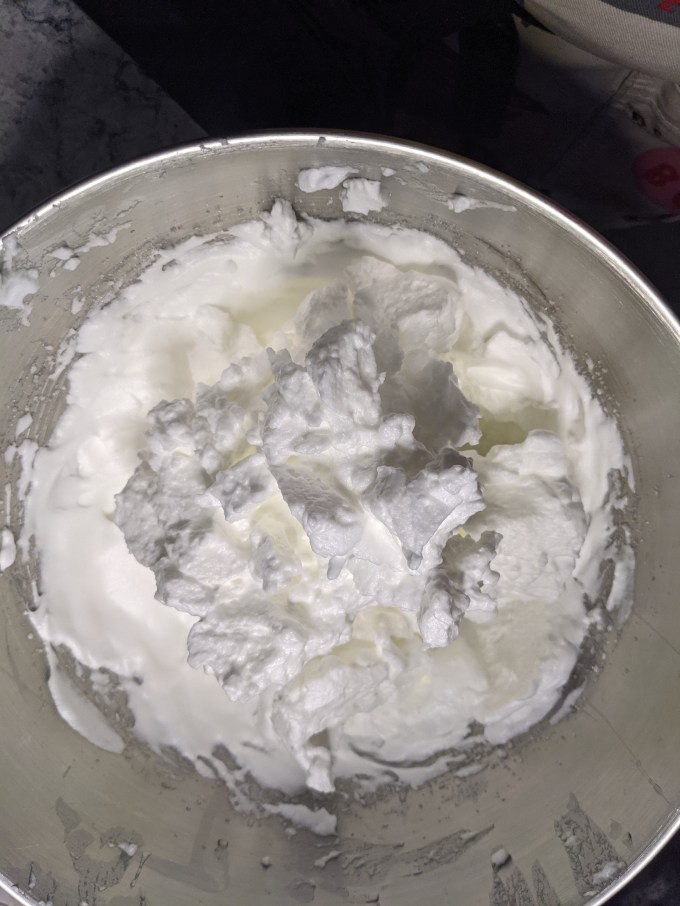
To recap: egg whites are whipped with a small amount of acid (usually cream of tartar, but a splash of vinegar will do in a pinch) to soft peaks. A pinch of salt is added and then sugar is gradually added while whipping on high until reaching stiff peaks. Depending on how much sugar is added, the meringue will usually become thick and glossy. In the case of soufflé, the whites are only a structural element, so the amount of sugar added is minimal. The idea is to keep the whites drier and firmer so they will puff, rather than thick and gooey like marshmallows. Most of the sugar in this recipe is in the chocolate cream and whatever type of chocolate was added to it.
Step 3: Combine and bake
A small amount of the whites are added to the cooled chocolate to thin it out a bit. Then the rest are gently folded in. This is the crucial step. The whites need to be fully incorporated, but over mixing will cause the texture to be off and the soufflé may not rise if the whites are deflated too much.
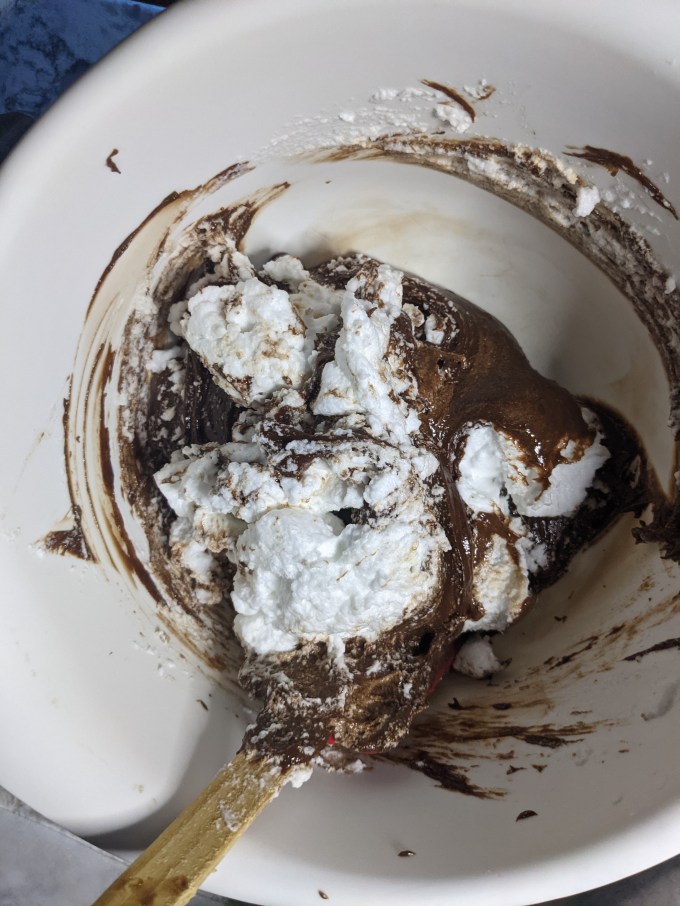
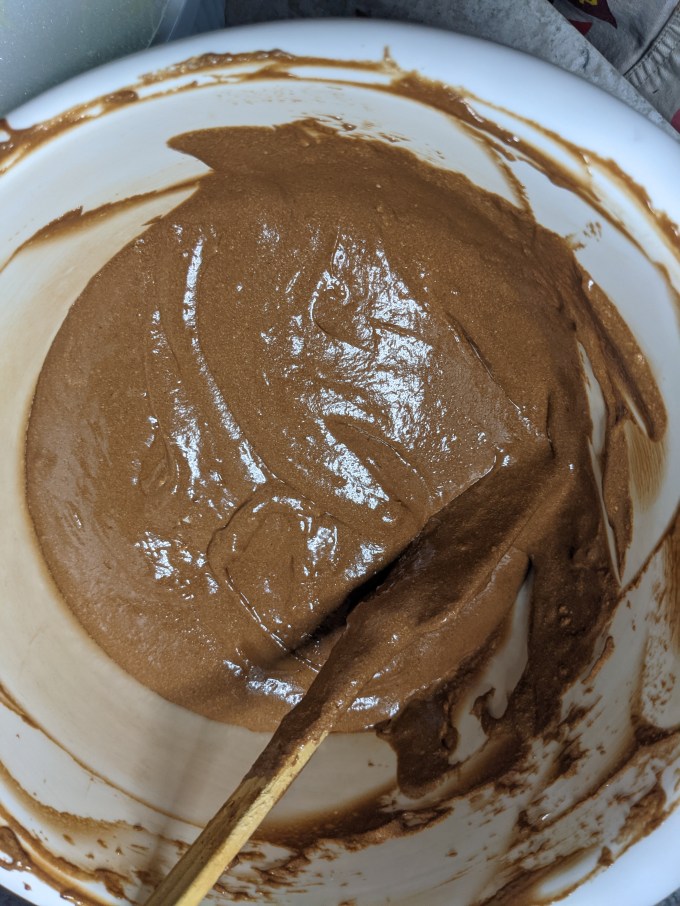
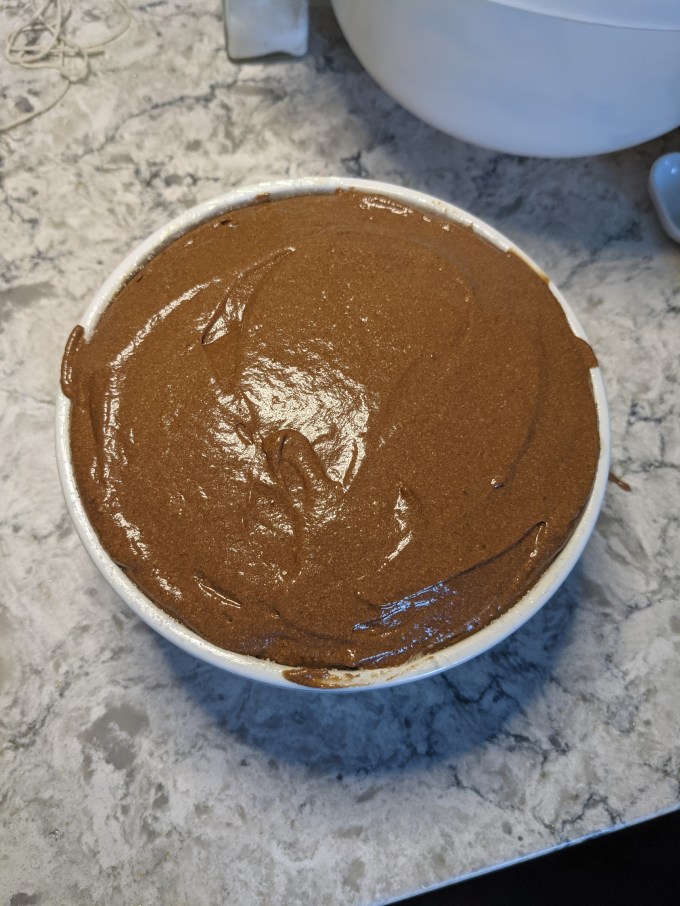
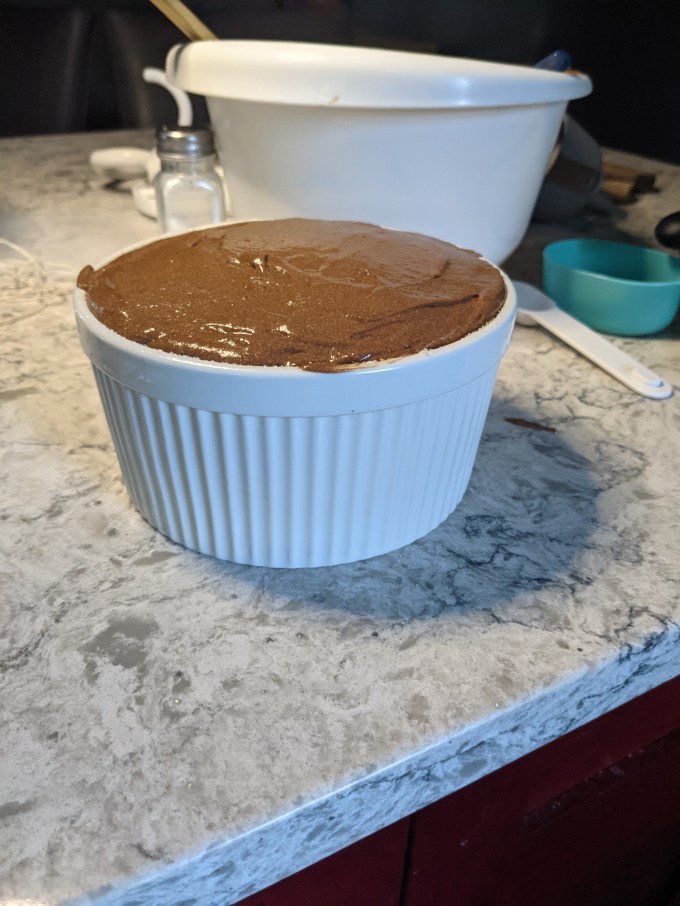
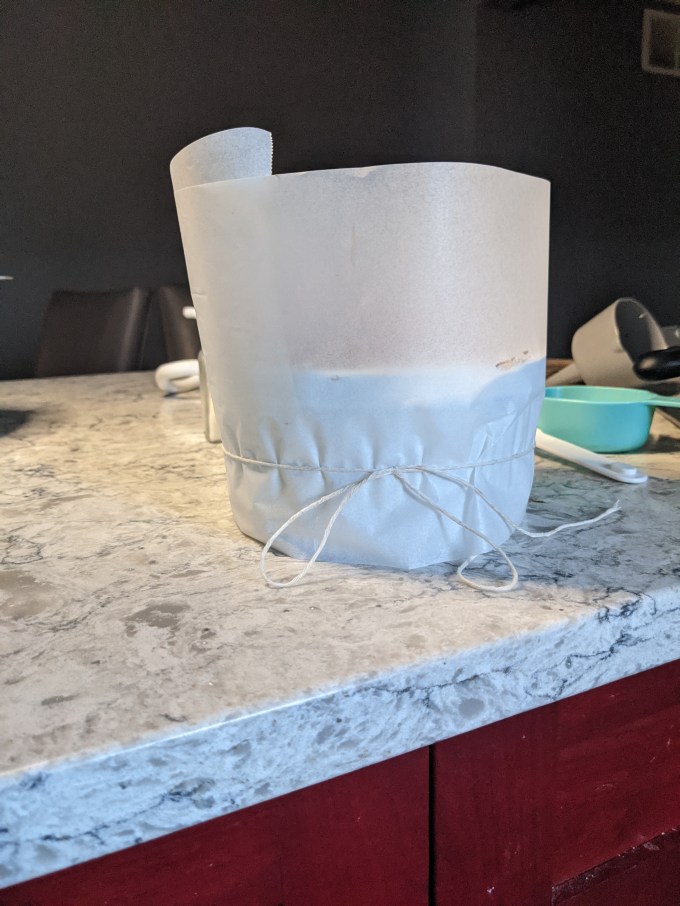
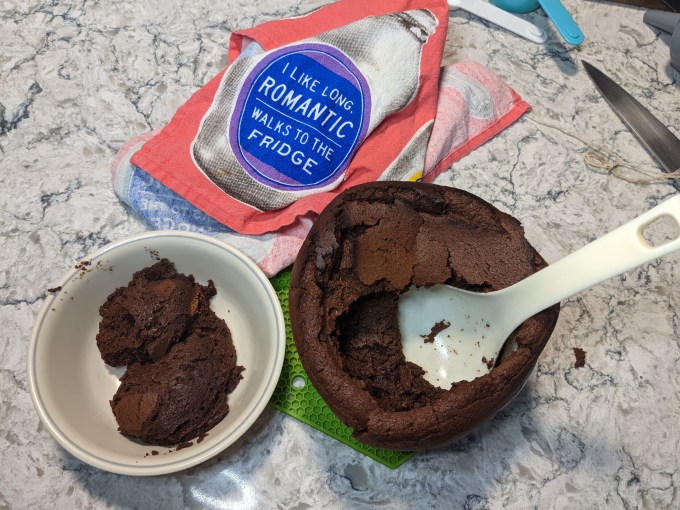
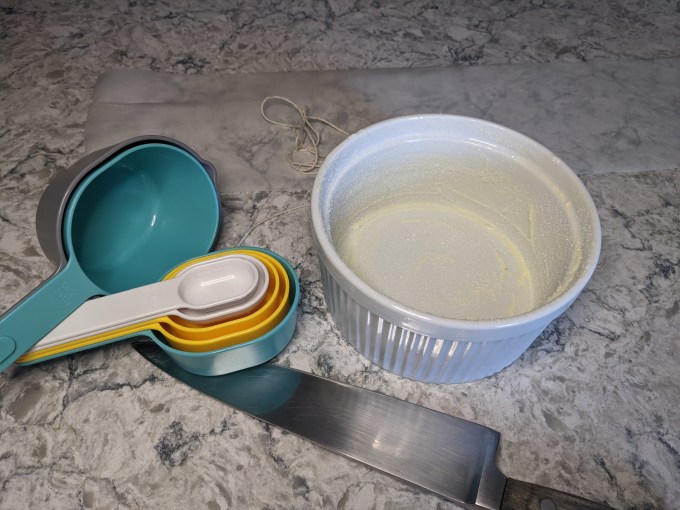
I bought this 6 inch ramekin that the recipe called for and I was so doubtful this batter was going to fit in it. Amazingly, it did. You win this round, CBC. For an added element of decadence and to aid unmoulding, the batter is turned out into a buttered AND SUGARED dish. Parchment paper is wrapped around to support the rise so the soufflé doesn’t spill all over the oven. The soufflé is baked until set but jiggly, and there you have it.
Gallery

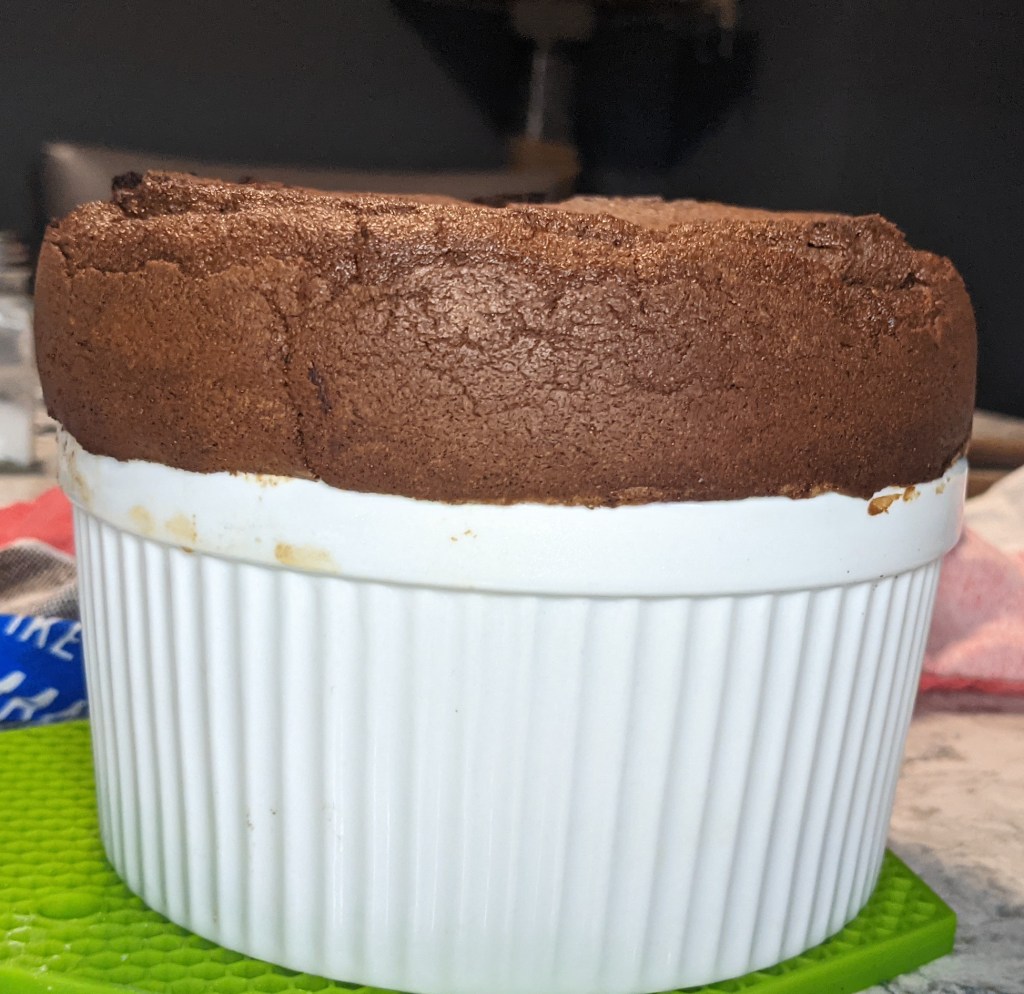
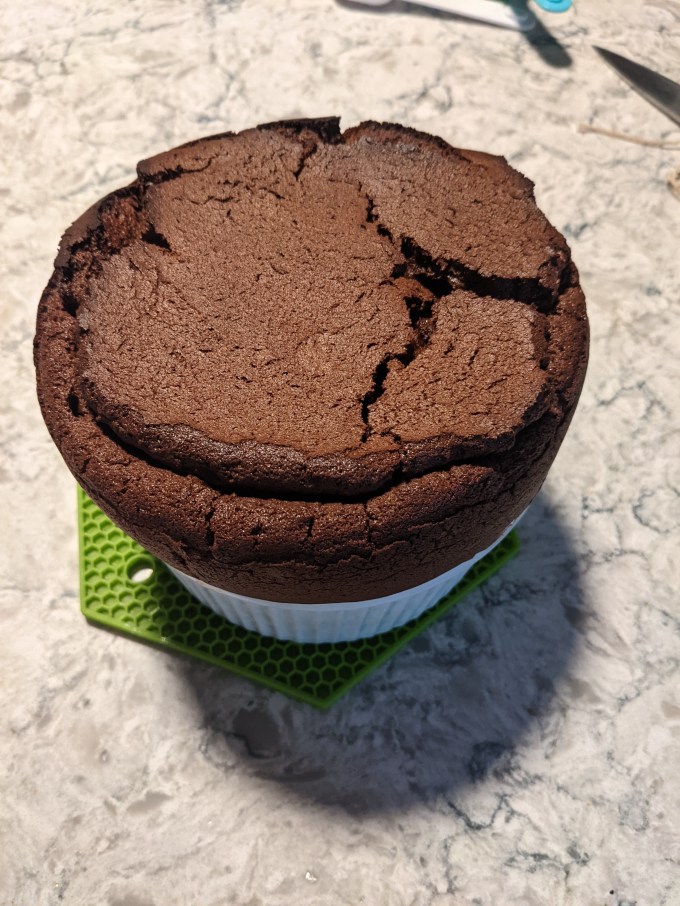
This is a decent soufflé recipe, despite the lack of enthusiasm it received at my house. I think it just needs the sugar decreased a fair bit. The other thing I would change is the chocolate. I used my high-end, super rich Belgian chocolate, which was probably way overboard for the size of this recipe. It probably would have been better to either decrease the total amount of chocolate, or to use a mix of dark and unsweetened chocolate. The whole thing just needs to be taken down a notch and then it would be fine, is the take away for me. At least we learned something? ONWARD WE GO!
Hey, bakers! Check out my BAKER’S PANTRY index if you want to deep dive on specific ingredients when attempting this bake for yourself
 Baking Summit