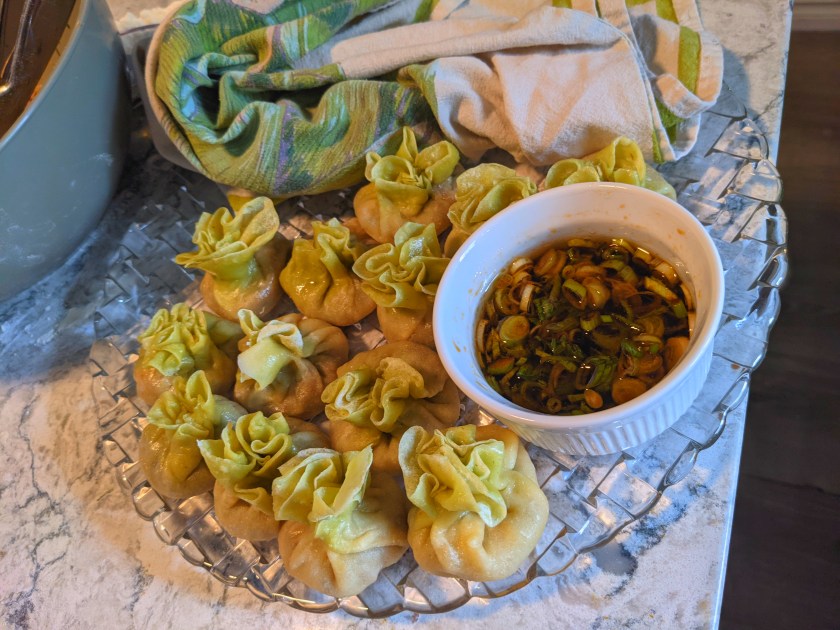
Hello friends and fellow bakers! Here we are at bake number 12, which is also the most un-bake-like technical I have to do for this project. Garden Dumplings (CBC recipe here) were featured on the first and only (so far) botanical week on GCBS.
Where to begin? This bake was not a bake at all. The only thing that makes it something approaching baking is the fact that the wrappers are made from a flour dough that has to be worked and rolled out. I would say it is baking-adjacent at best. But whatever. I don’t have the time or inclination to analyze all of the WTF CBC moments this project has to offer; I have accepted it as part of the tapestry I am weaving for you. Or something.
I made a number of changes to this recipe just because the dumpling filling isn’t really what the challenge is about with respect to “baking” skills, and I wanted to make them vegetarian. Also some of the ingredients weren’t readily available so I did some substitutions. Instead of using spinach to make the green dough, I used chard because I am growing that in my garden and it is ready (-> how cool is that! I am a novice gardener, so I was pretty excited about using veggies I grew myself, however haphazardly). This worked fine, but the green dough didn’t come out as dark as I would have liked. Oh, well. Win some, lose some.
Instead of chicken, I used unseasoned jackfruit. I couldn’t find the Shaoxing cooking wine the recipe called for so I just got some Japanese rice liquor and used that instead. FOR THE RECORD: yes, I am aware of the fact that Japan and China are different countries. My local liquor stores didn’t have any Chinese wines or liquor of any kind. They did have a few different types of Sake and the Japanese rice liquor. I decided to go with rice liquor because Sake is quite pungent. I don’t know if this is a logical substitution since I really have no idea how the Chinese wine tastes. With that being said, at the end of the day we are talking about one tablespoon of alcohol used to act as a solvent and flavouring agent for about 4 cups of filling. The flavour profile is not a game changer here, even if I made a bad choice. Which I didn’t, because this shit was delicious.
I also didn’t bother sourcing black rice vinegar because I have a bottle of white in the pantry already. Ditto for light vs. dark soy sauce. I couldn’t find Chinese chives (although I admit I just could not be bothered to go to the Asian grocery store because it’s out of my way and I didn’t want to drive around looking for a place to park during rush hour). After reading the Wikipedia on Chinese chives, they sounded similar to garlic scapes (oh lordy, garlic scapes would have been FIRE in this recipe, I frigging LOVE me some scapes), so I used garlic and green chives. Finally, I omitted the cilantro altogether because uh, no thank u.
My execution of this bake was just fine (except for the green, should have been darker). The veggie filling was awesome, I especially liked the dill. The dipping sauce was simple and just right, and I cooked all of my dumplings correctly. Once again, things were difficult to photograph in my dim kitchen. I have been doing research to try and improve on this, but it really is not my strong suit.
I also enjoyed my rewatch of the episode. There was one moment when Sheldon (contestant) said something about not wanting to disgrace his Chinese ancestors by screwing up this technical. I found that HIGHLY relatable because I recently felt guilty for mixing Glenlivet and Glenfidditch in the same glass. After confessing to my living relatives and drinking the bastard Scotch anyway, I walked the dog and the sky did this:

OK CALM DOWN ANCESTORS, IT’S NOT THAT BIG OF A DEAL.
Enough digression, let’s get into it!
Step 1: Dough
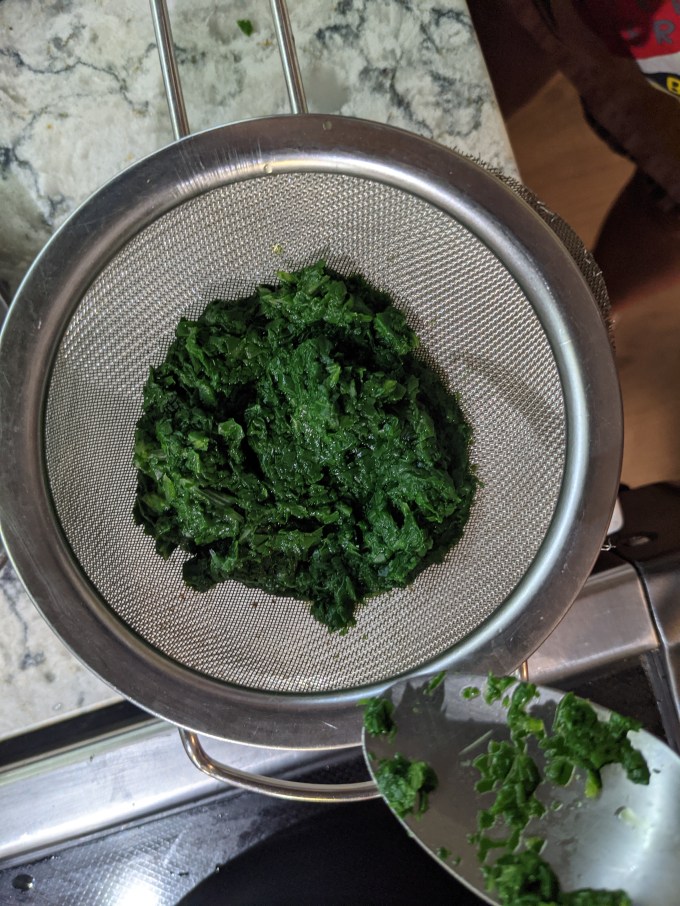
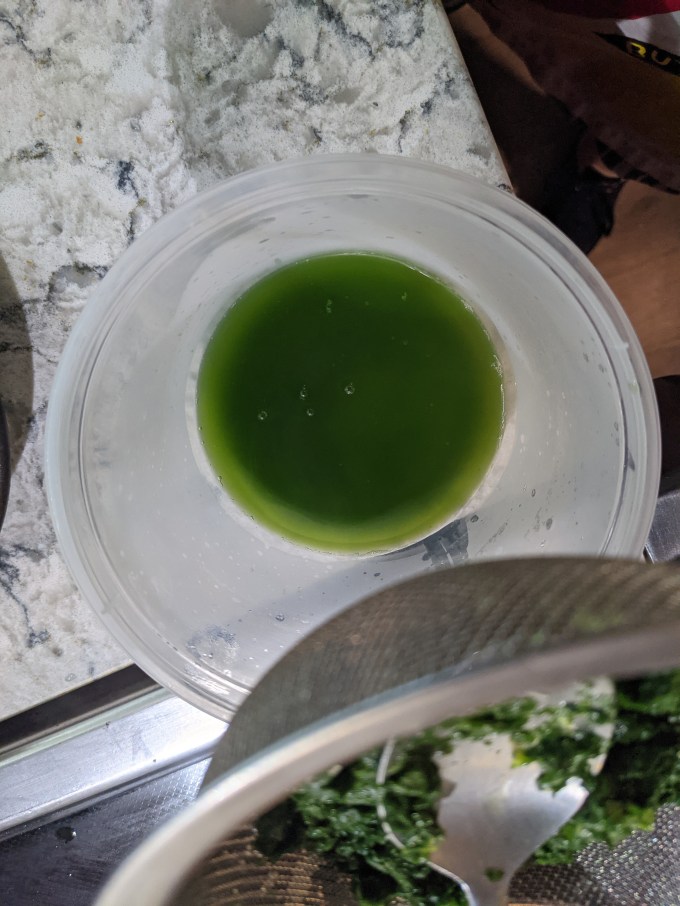
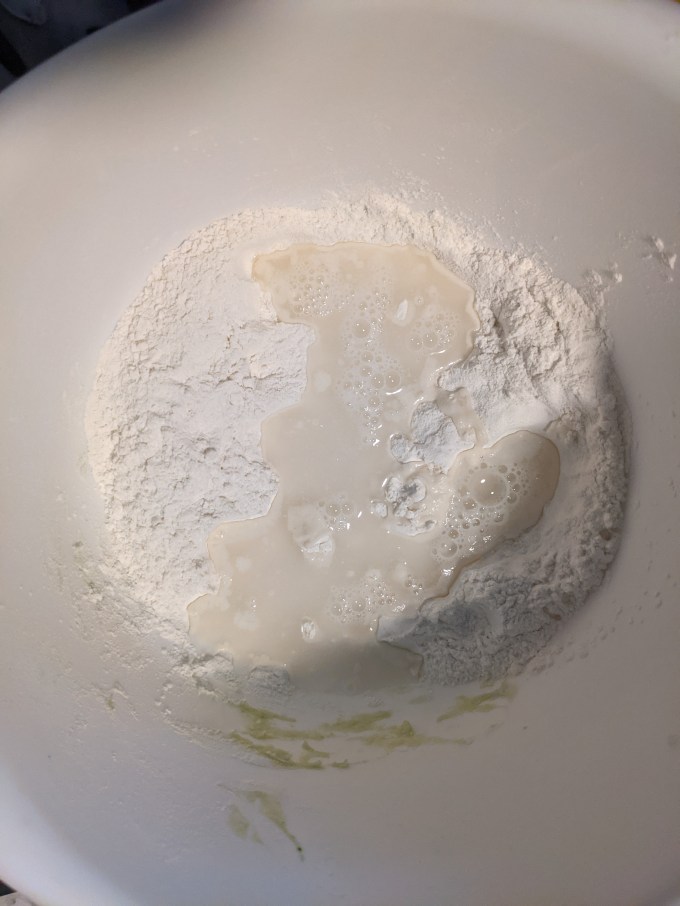
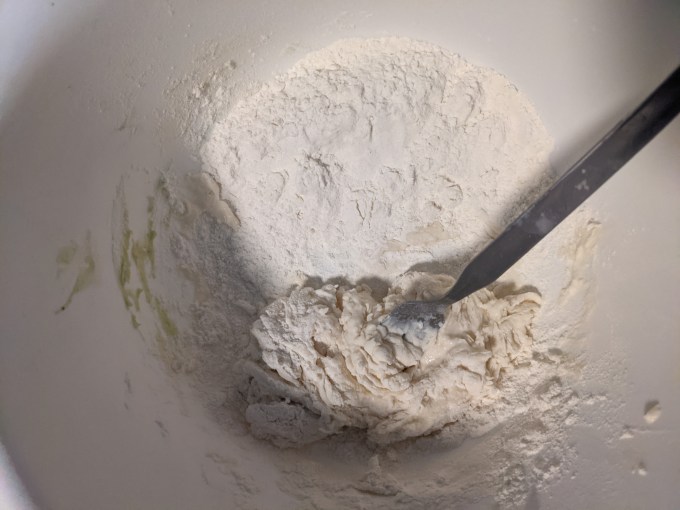
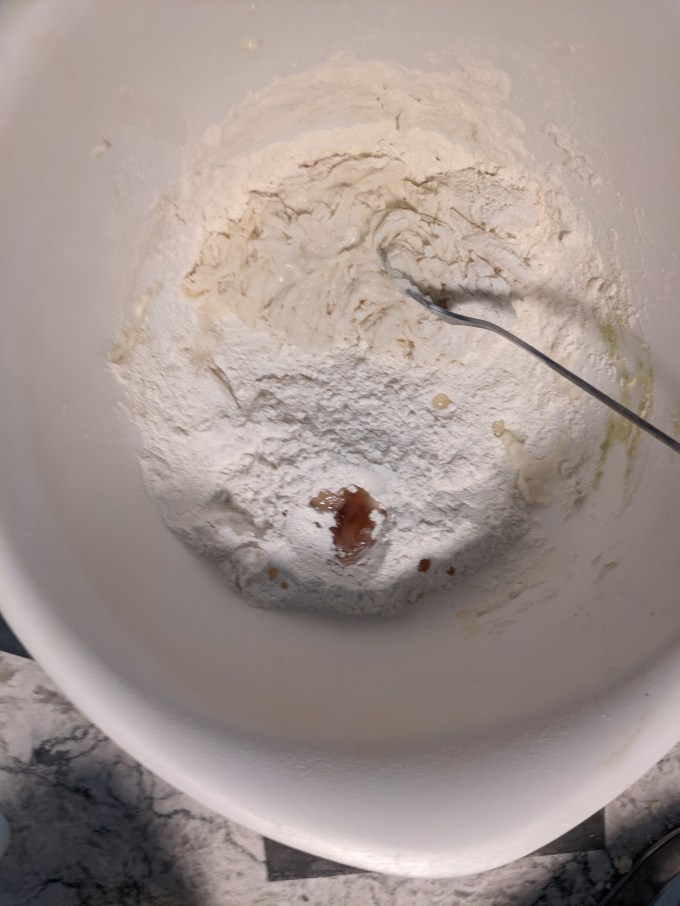
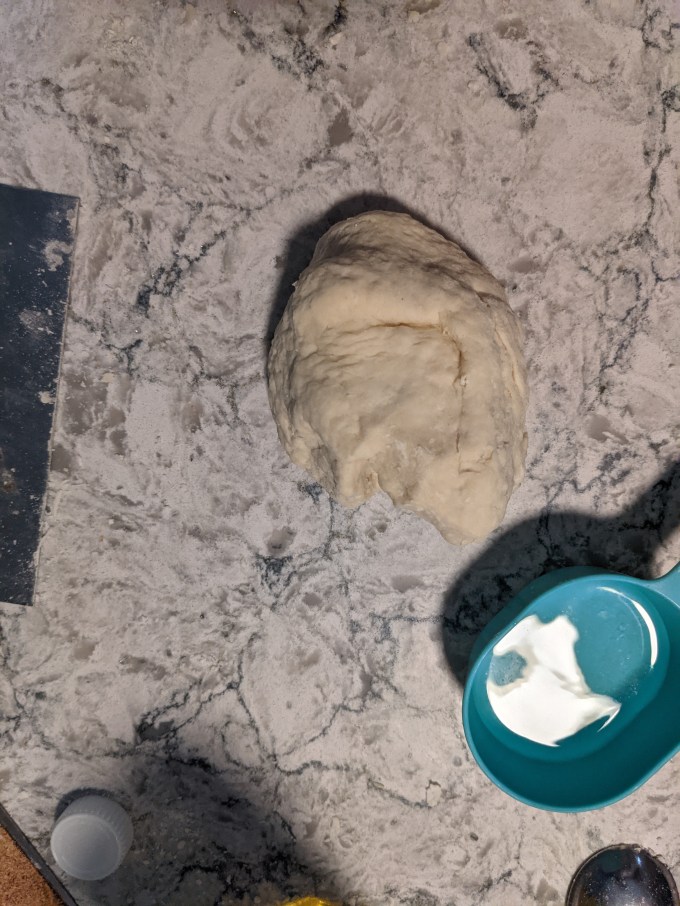
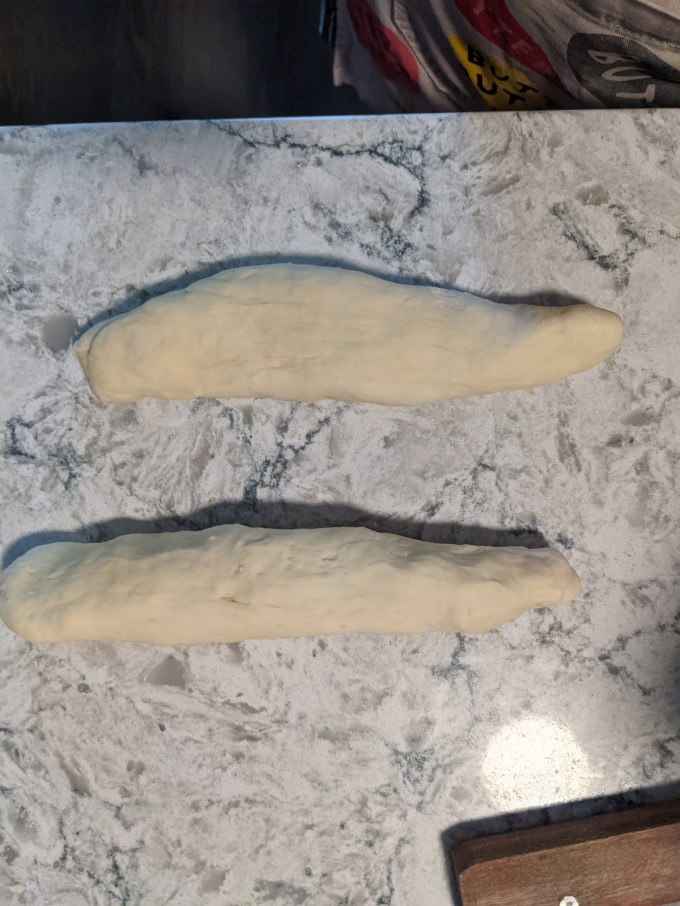
The green wrapper dough is made by wilting greens (spinach on the show, swiss chard here at baking summit) then pushing them through a sieve. Flour is divided into two mounds in a bowl. The green liquid is added to the first mound and roughly incorporated, then the seasonings and a bit of sesame oil are added to the other mound and incorporated. Then the whole mix is kneaded until smooth.


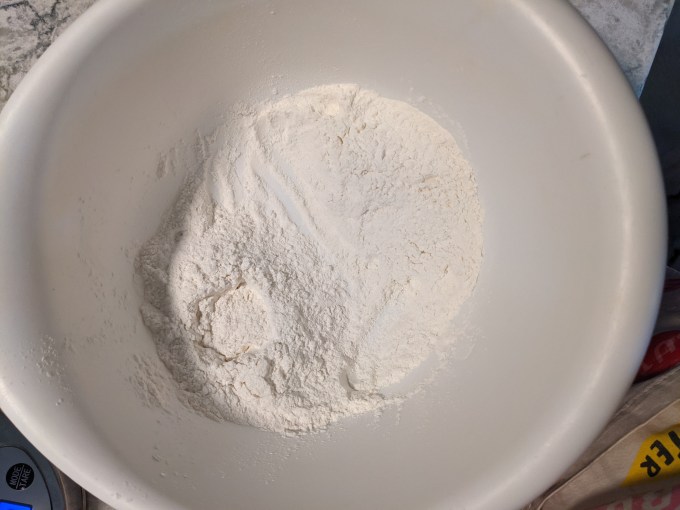
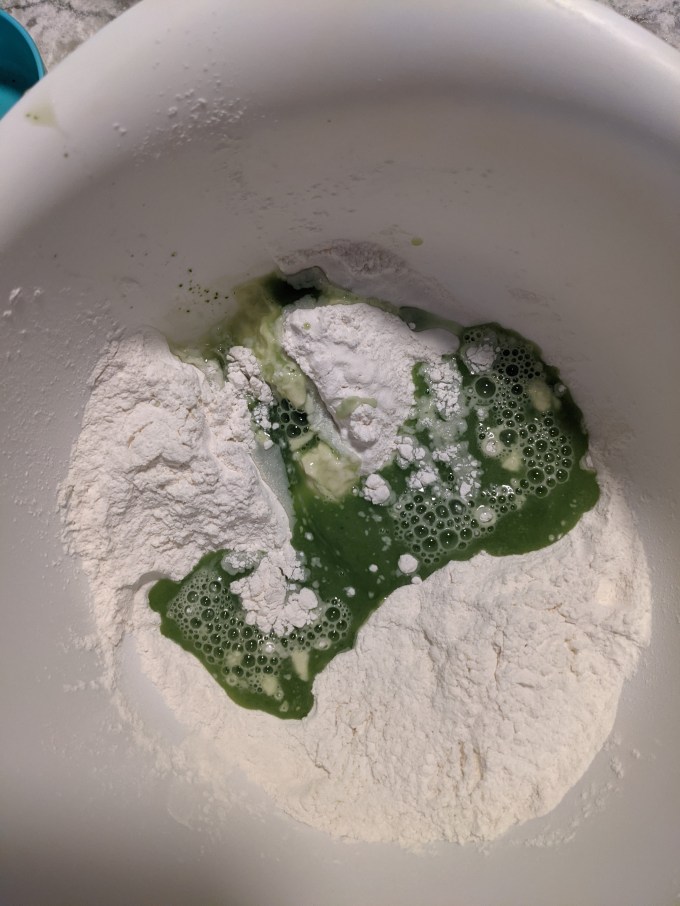

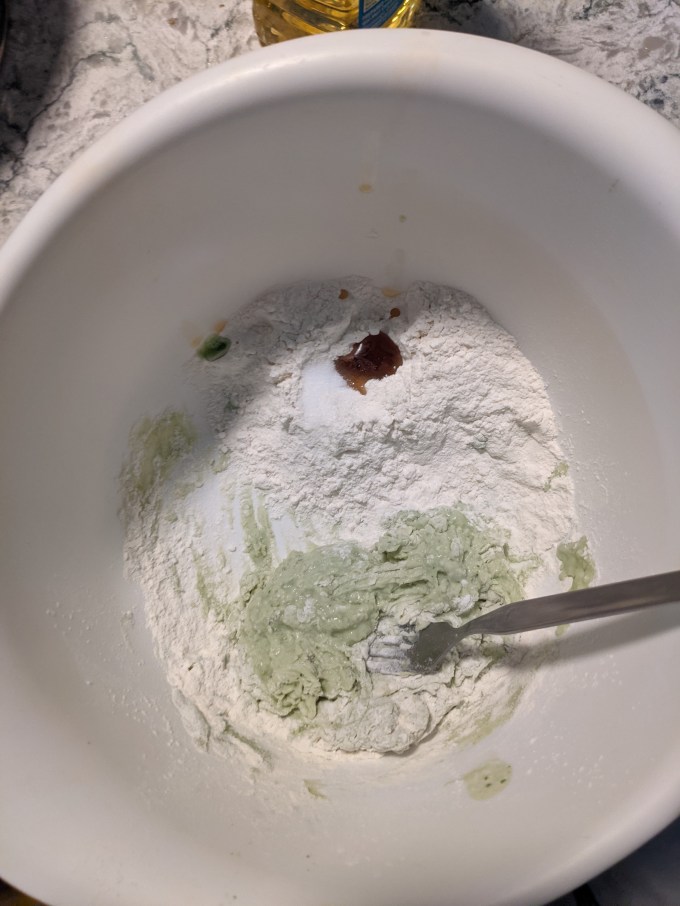
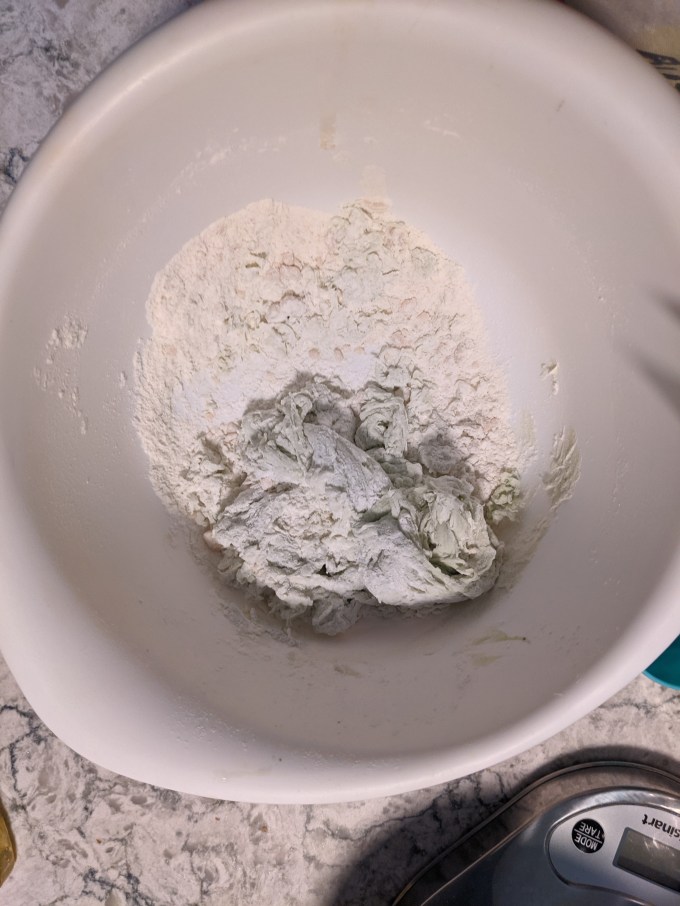

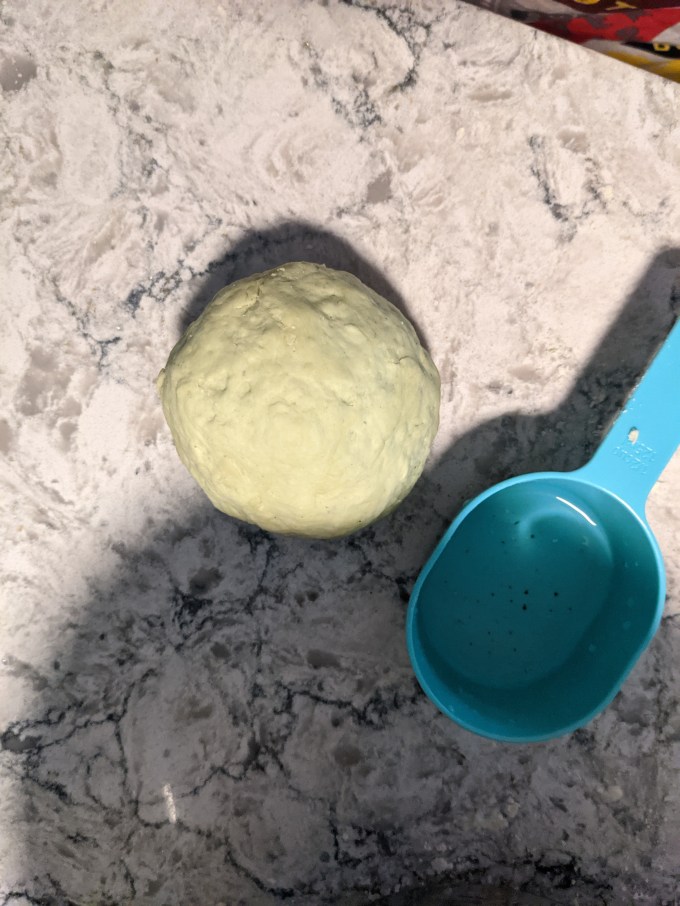

The white wrapper dough is made exactly the same way as the green except plain water is used in place of the green cooking liquid. Both doughs are shaped into logs and chilled in the fridge while the filling is made
Step 2: Filling
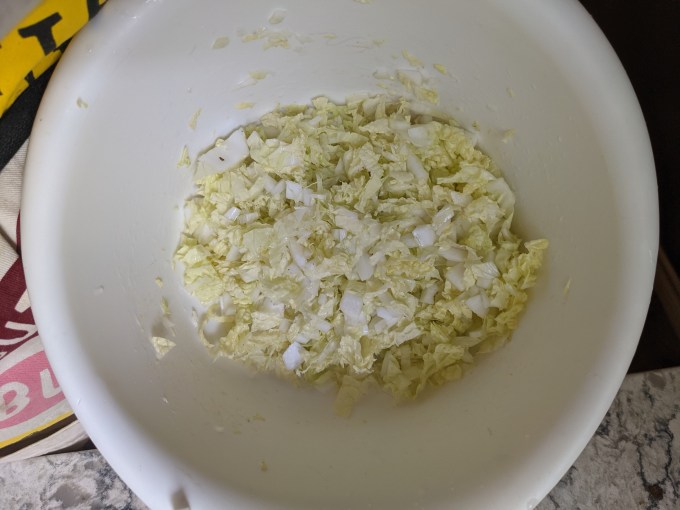
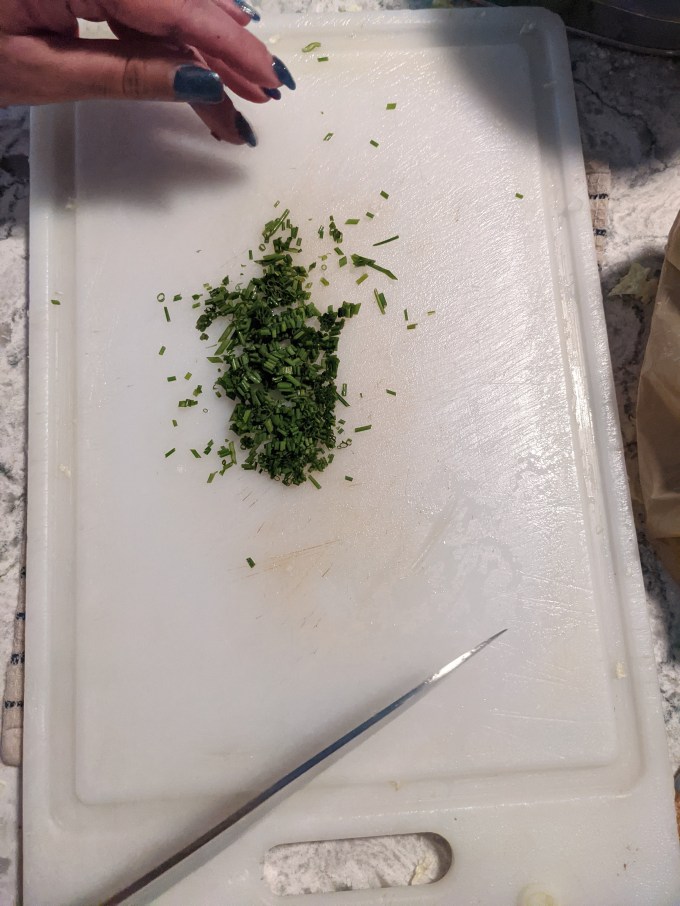
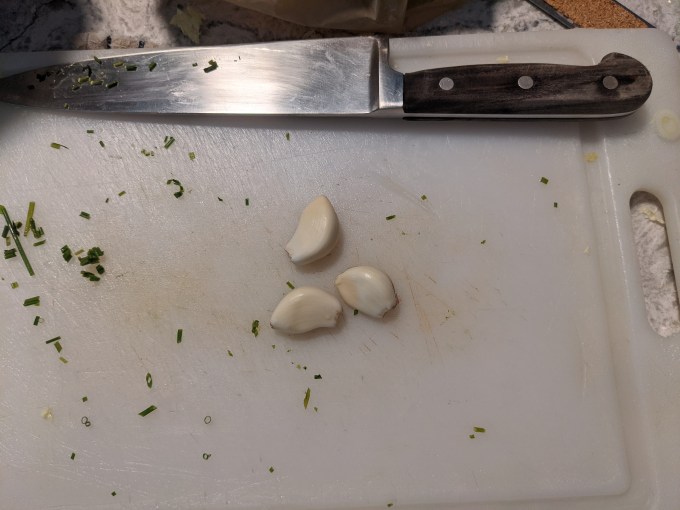
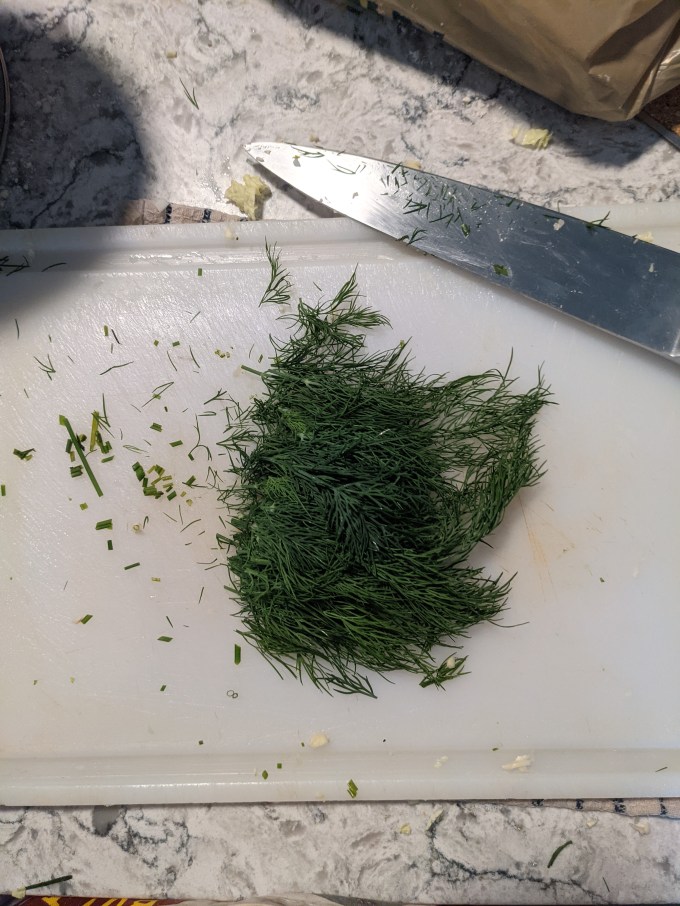
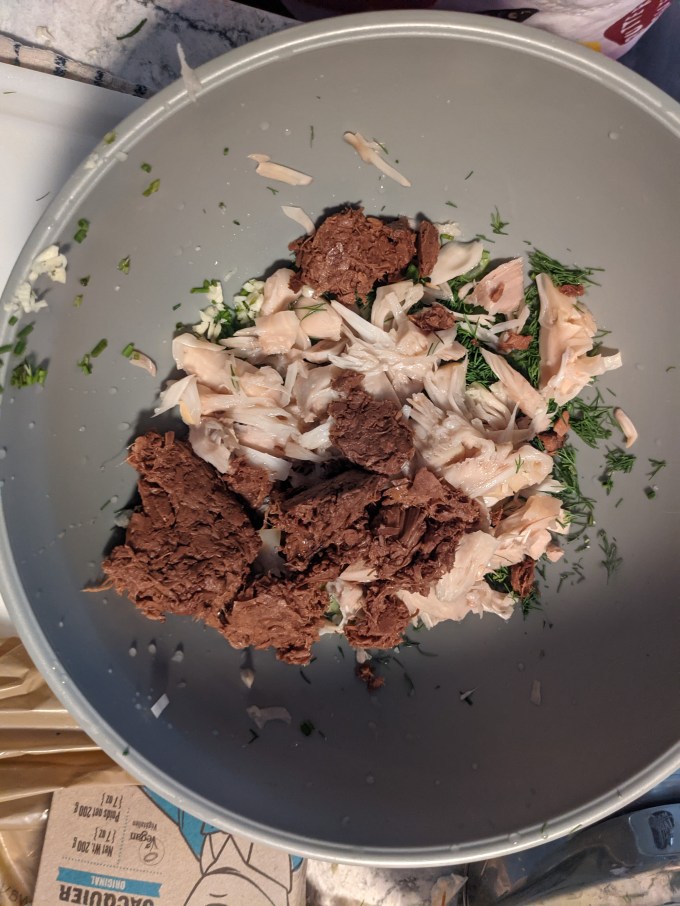
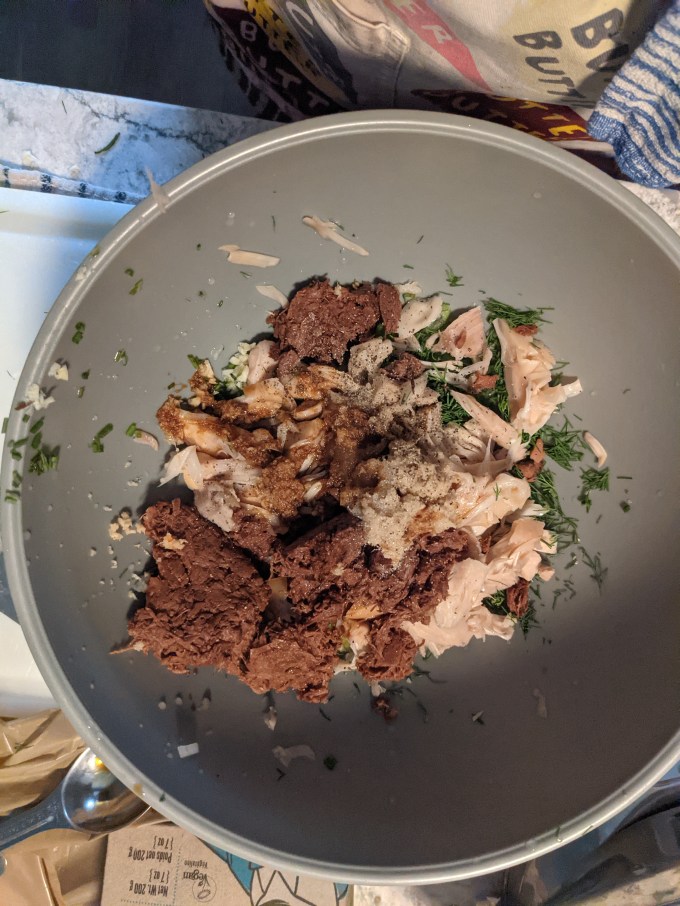
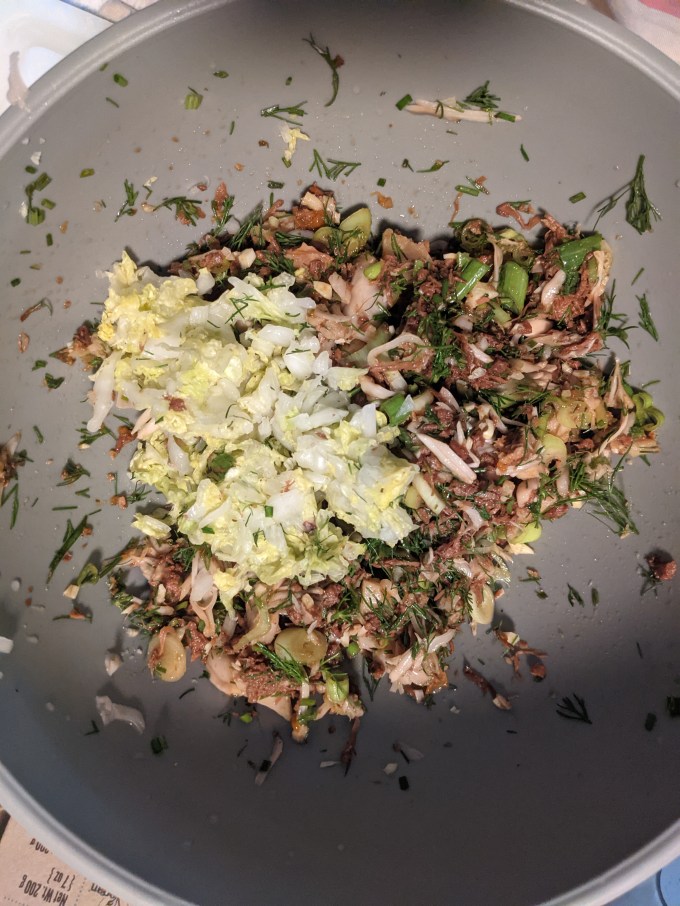
The preparation of this filling is very straightforward. Napa cabbage is macerated with some salt for 15 minutes and squeezed out. The herbs (in my version I used chives, garlic, and dill) are finely chopped. The veggies and protein (chicken on the show, jackfruit in my version) are added to a bowl with the cabbage and herbs, and then seasoning is added and everything is mixed together. I added Knorr concentrated vegetable bouillon to bring in a flavour element for the meat substitute. Easy peasy.

Step 3: Roll out and fill
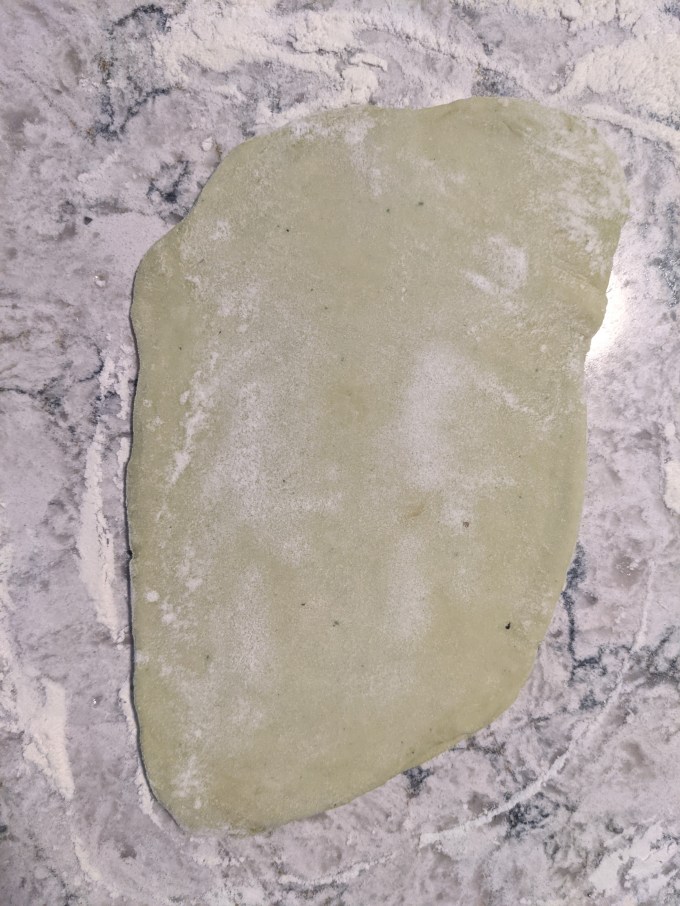
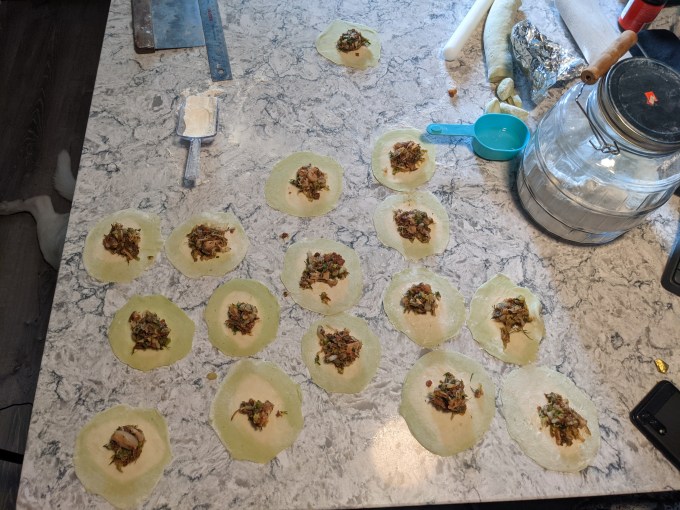
To create the two-tone effect in the wrappers, the green dough is rolled out into a rectangle. Then the white dough log is placed on top. The sides of the rectangle are wrapped around the log and then the whole thing is gently rolled together to seal. I found it helpful to dampen my fingers with a bit of water to get the green dough to seal around the white.


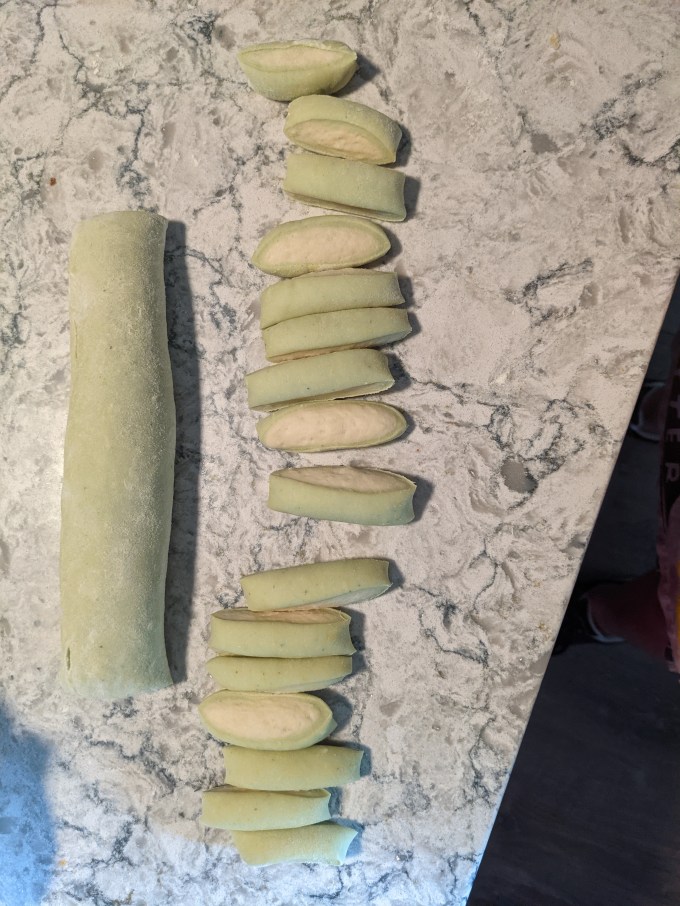
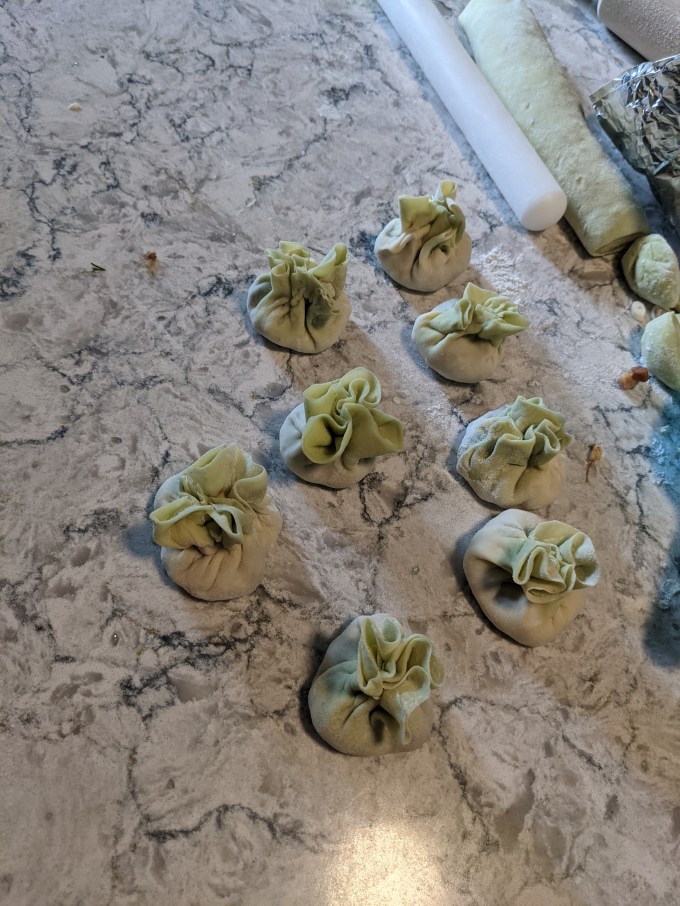
Once the dough logs are ready to go, they are cut into 16 slices each to make 32 dumplings. Each slice gets rolled into an approximately round shape. The trick here is to make the rounds thicker in the centre and paper thin on the edges. This is really the most baker-y part of this technical, because you have to be comfortable with shaping dough.
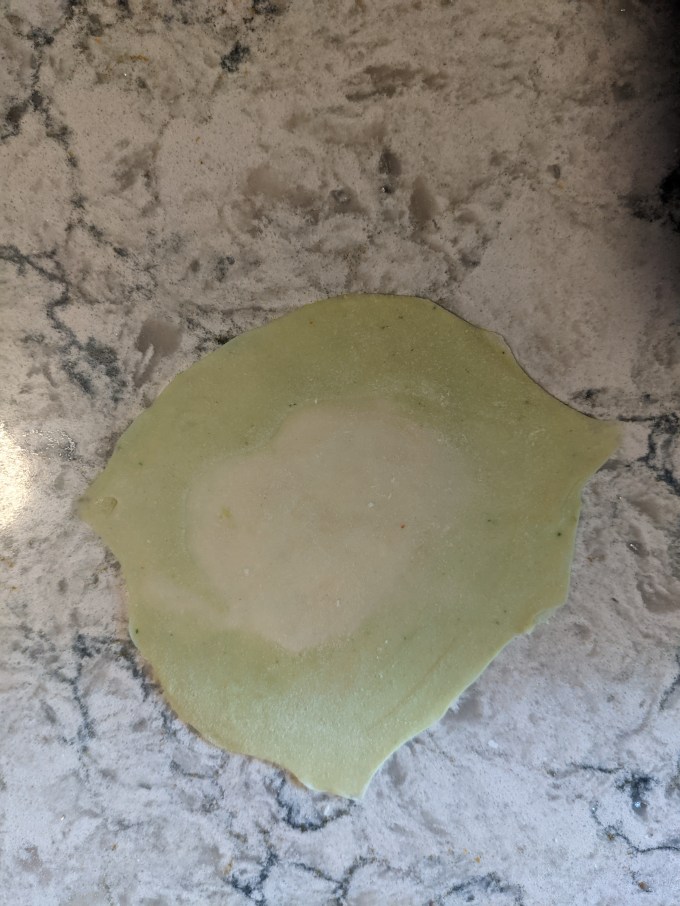

A small spoonful of filling is dropped onto the centre of each wrapper and then the edges are brought together around the filling like a sack. The edges are feathered out a bit to make the dumpling resemble a cabbage.
Step 4: Dipping sauce
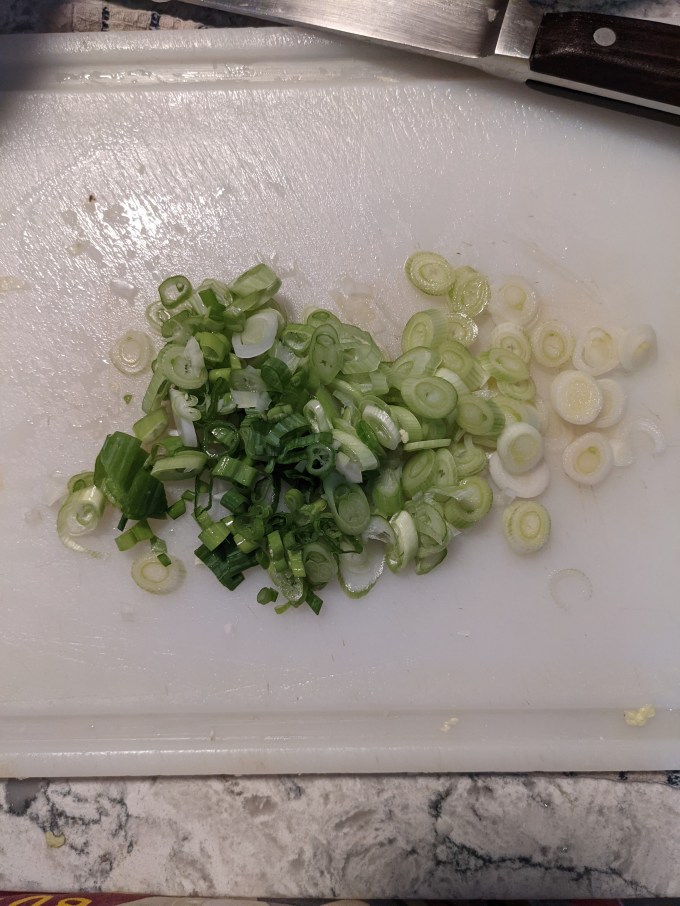
This dip was so simple and delicious. Will make again. A few tablespoons of oil are warmed and poured over finely sliced scallions with a teaspoon or two of sugar. Soy sauce and seasonings are added and I also threw in a little more sesame oil.
Step 5: Cooking
A generous amount of oil (enough for shallow frying, not deep frying) is heated in a large non-stick pan until hot. The dumplings are placed in the pan and heat reduced to medium. This is how to get the sear on the bottom of the dumplings. Once they are nice and golden on the bottom, a splash of water is added and the pan gets covered to trap the steam. This cooks the rest of the wrapper and the filling and creates that unique “soft on top, crunchy on the bottom” dumpling effect. After the dumplings are sufficiently steamed, the lid is removed and any remaining water is cooked off until the bottoms are perfectly crisp.
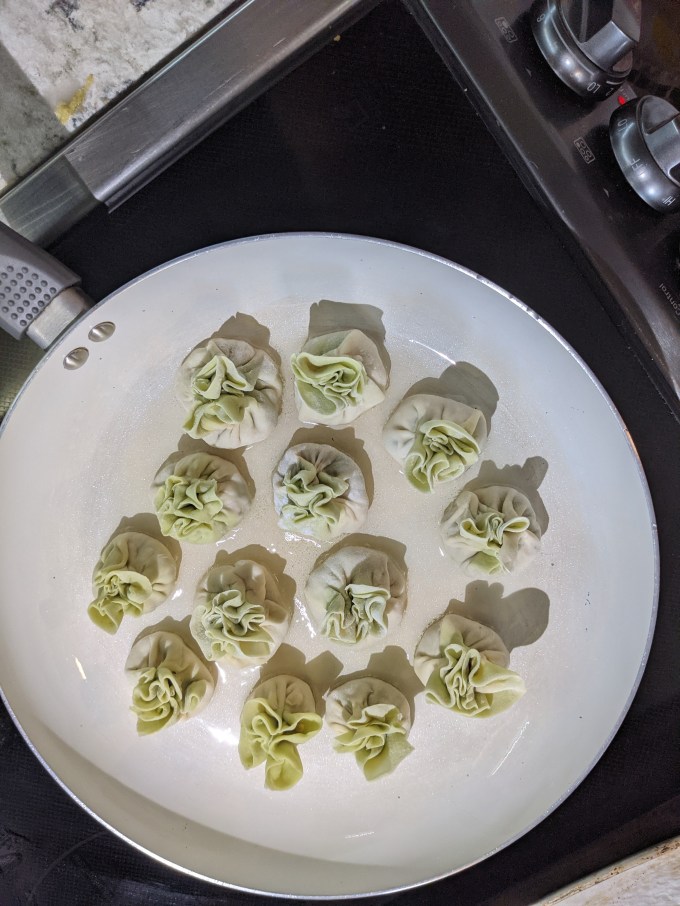
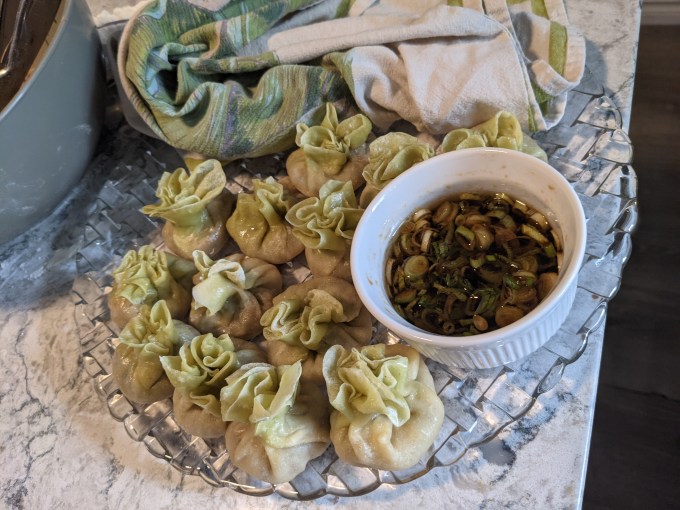
I am quite familiar with this cooking method so I felt very comfortable executing it. Not all of the contestants on the show were so lucky. One person somehow managed to fail to turn on the heat entirely and her dumplings were completely raw which was sad but also confusing to watch.
Gallery
According to the judges, the goal for this technical was to make a filling that was “herb forward” tasting for botanical week. I think mine met this criteria in the best possible way. The combination of ingredients was new to me and surprisingly delicious. I don’t think I would bother making the wrappers again when you can just buy them, but the filling and sauce are definitely worth pulling out of the repertoire if you want some fun finger food on the table. I would probably put some chopped greens in the filling next time and maybe some sunflower seeds to up the protein in the veggie version.
So there we have it! All in all this was a fun afternoon and it was nice to do something a little outside the box for this project. See you back here soon for my next technical, and keep an eye out for my next proving ground post coming your way also. In the meantime, head over to my IG and Tiktok (both @bakingsummit) for more pics and vids. Thanks for looking!
Hey, bakers! Check out my BAKER’S PANTRY index if you want to deep dive on specific ingredients when attempting this bake for yourself
 Baking Summit