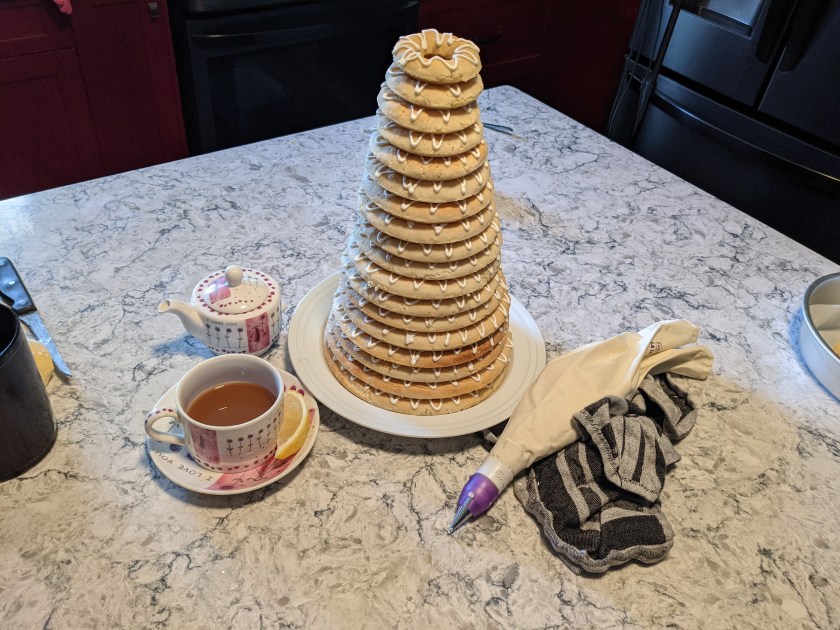
Hello Friends and Fellow Bakers! We are humming along now on this buttery, delicious journey and I am having a good time. I hope you are, too. This bake was featured on Season 3, Episode 6: International week on GCBS. Kransekake is a Norwegian cookie cake (it is also served in Denmark) commonly seen at big social events like weddings (GCBS recipe here), and for the sake of a set of Kransekake moulds and a whole lot of almonds, I now know it is one of the most fun, easy, and head turning bakes I have ever done. The downside is this bake was so simple and went so smoothly, I think this will be a bit of a shorter post. Shout out to everyone who is just here to read about my existential agony: don’t worry, there will be plenty more where that came from.
So why was this a technical challenge on the show if it was so fun and easy to do? As I have mentioned previously, sometimes the real challenge on the show is simply the fact that the bakers have never seen or even heard of the bake so they are making the item completely blind. When this is the case, they don’t even know what the judges are looking for so they really need to rely on their experience and intuition to try and execute the challenge. Also they often have elements of the recipe removed to challenge them further. I have eliminated both of these aspects of the challenge from my project because I have seen all of the bakes beforehand and I have a complete recipe.
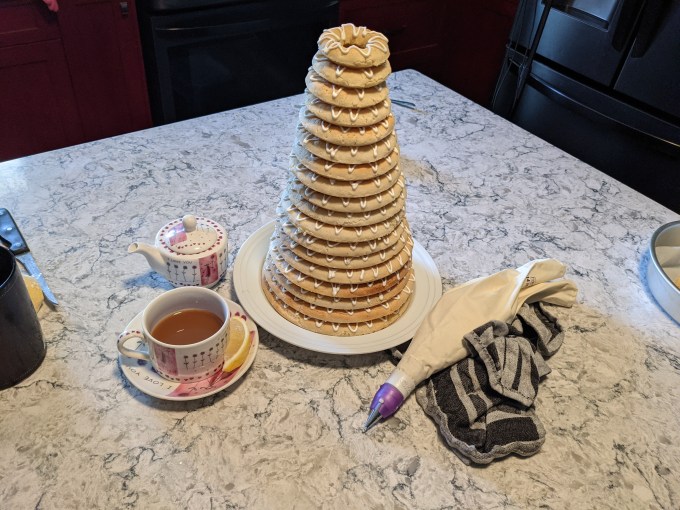
Kransekake is a simple but elegant stack of almond cookies (similar to amaretti cookies from Italy) that are slightly crispy on the outside and soft on the inside and contain no flour so they are gluten free. As far as I can tell the tower is traditionally built of 18 layers (as is mine) but I couldn’t find any historical or symbolic reason for this, so if any of you know, shoot me an email.
I did learn that it is common to build this around a bottle of wine which I think would be just darling. Now that I have made this I would also recommend this as a great bake to do with kiddos on a rainy day. Young kids would probably have a fun time rolling out the dough which is very play-doh like and older kids might like to take their first stab at piping. The fun thing about this bake is I don’t think you can really blow it. No piping bag? Just dip the cookies in the icing. Don’t want to buy the moulds? Just eyeball it or make these into spheres and forget about the stack altogether. No mixer available? Not to worry, you don’t really need one. Delightful.
Step 1: Dough
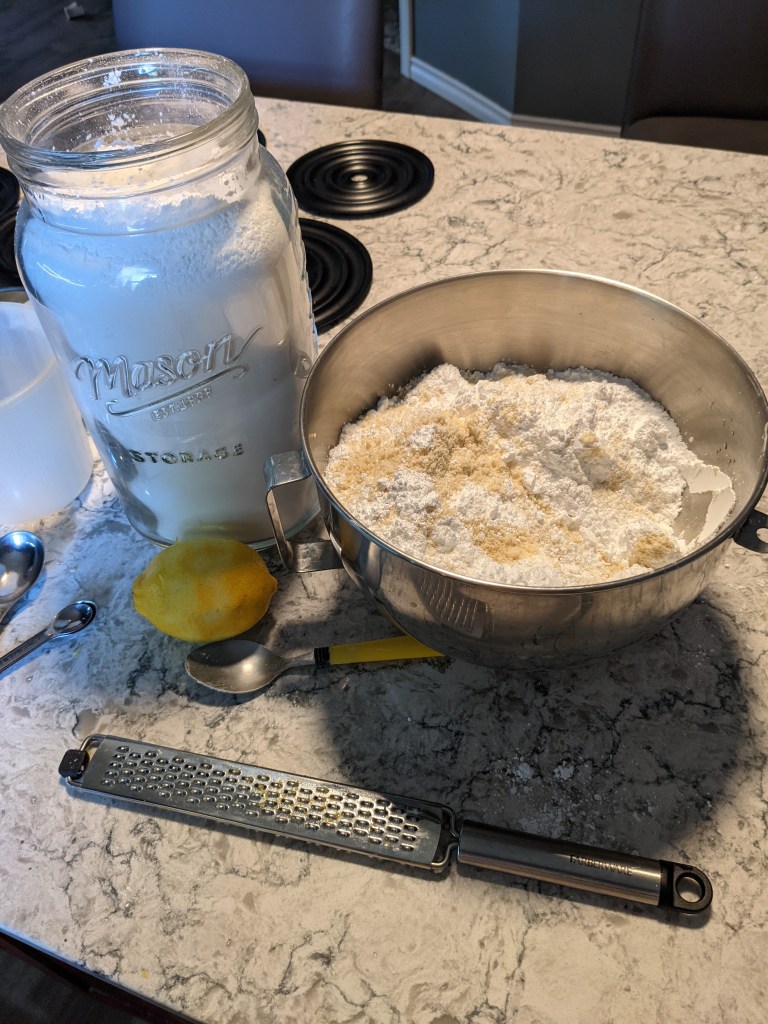
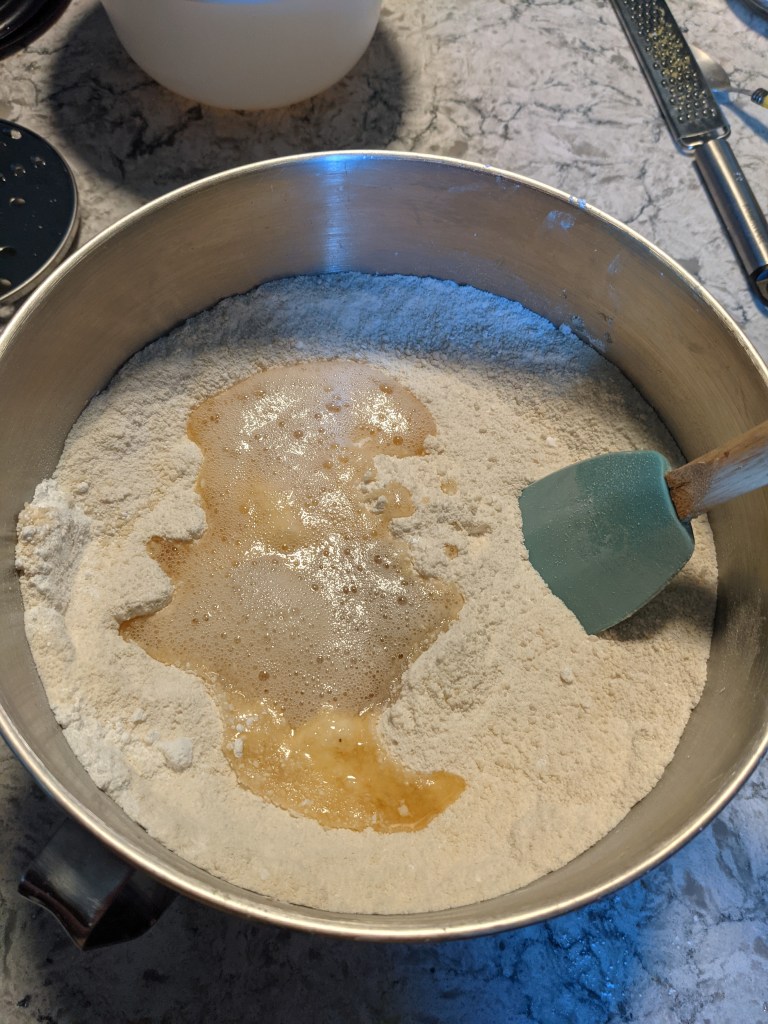
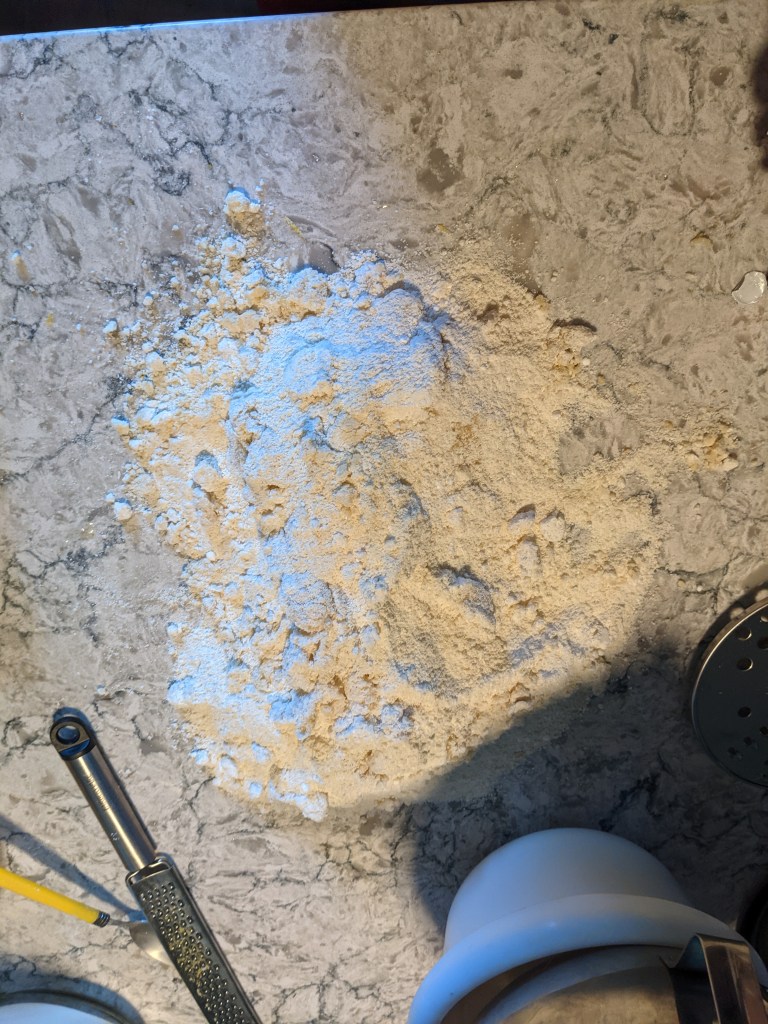
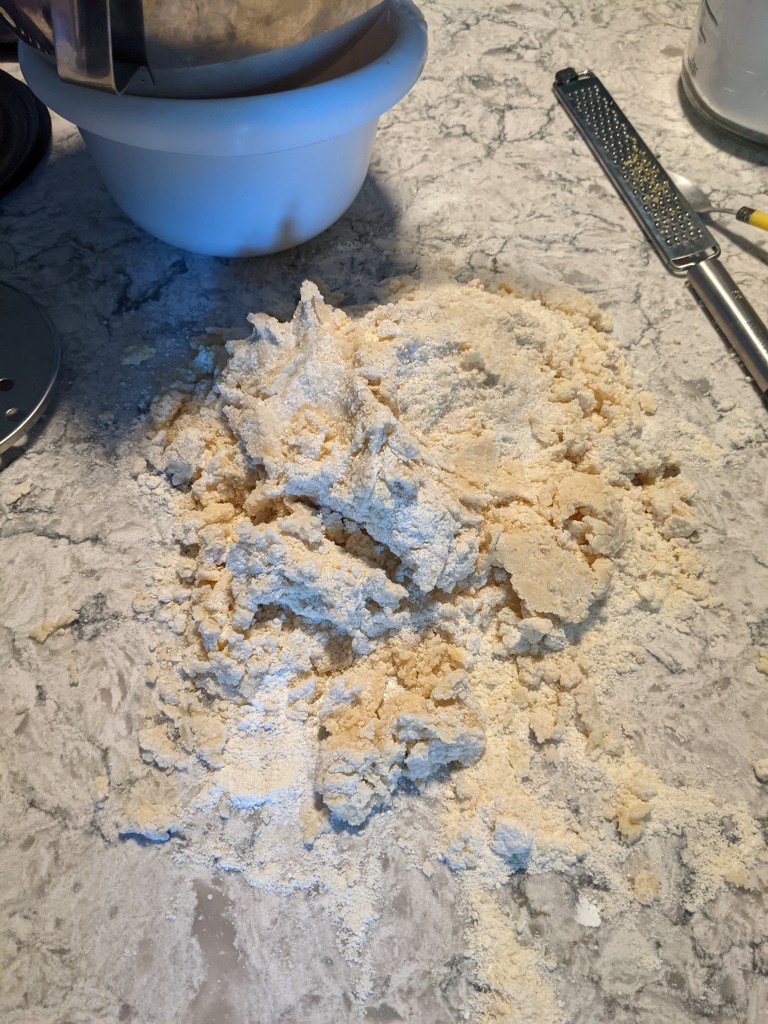
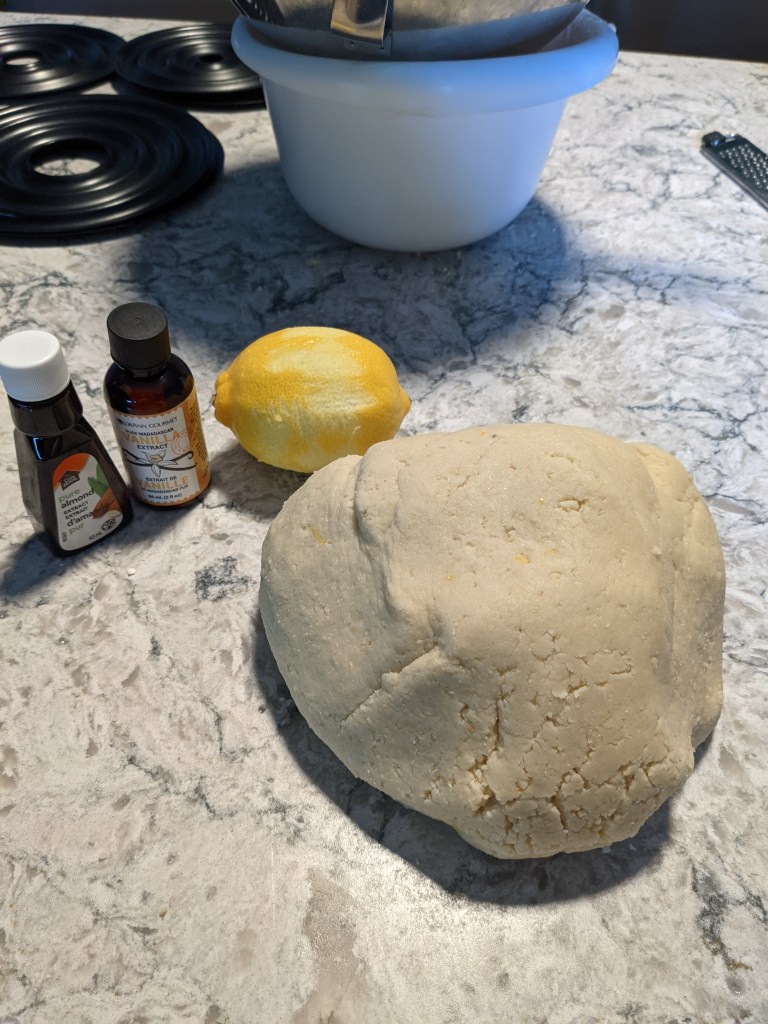
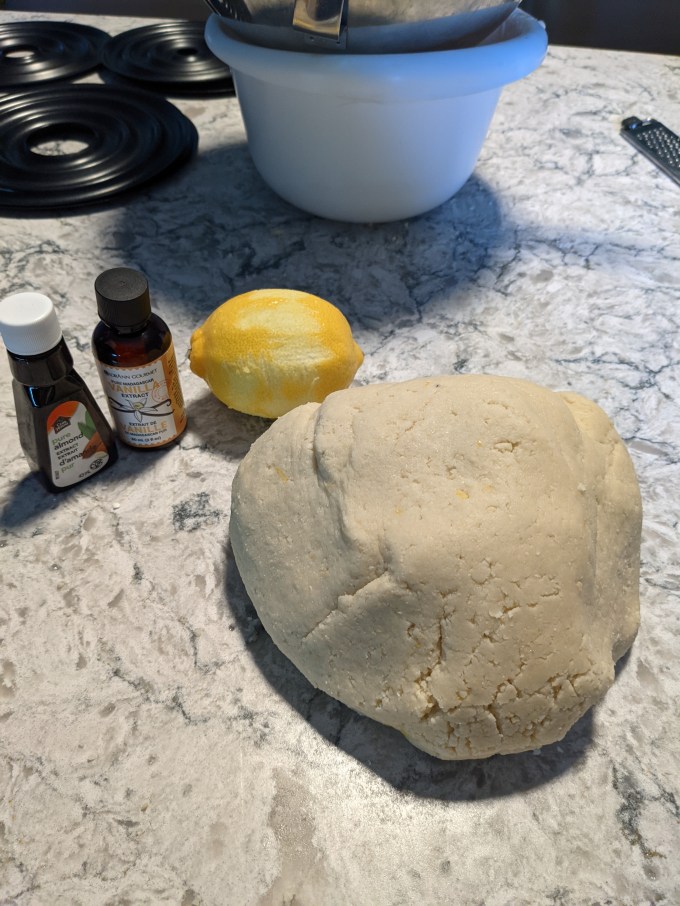
Ground almonds (aka almond flour) are whisked together with icing sugar. Then egg whites mixed with almond and vanilla extract are added. The entire mixture gets worked on the bench until it comes together then chilled for 20 minutes. No need to worry about over mixing! No flour = no gluten = Overmixing Is Not A Thing™.

Step 2: Shaping and Moulding
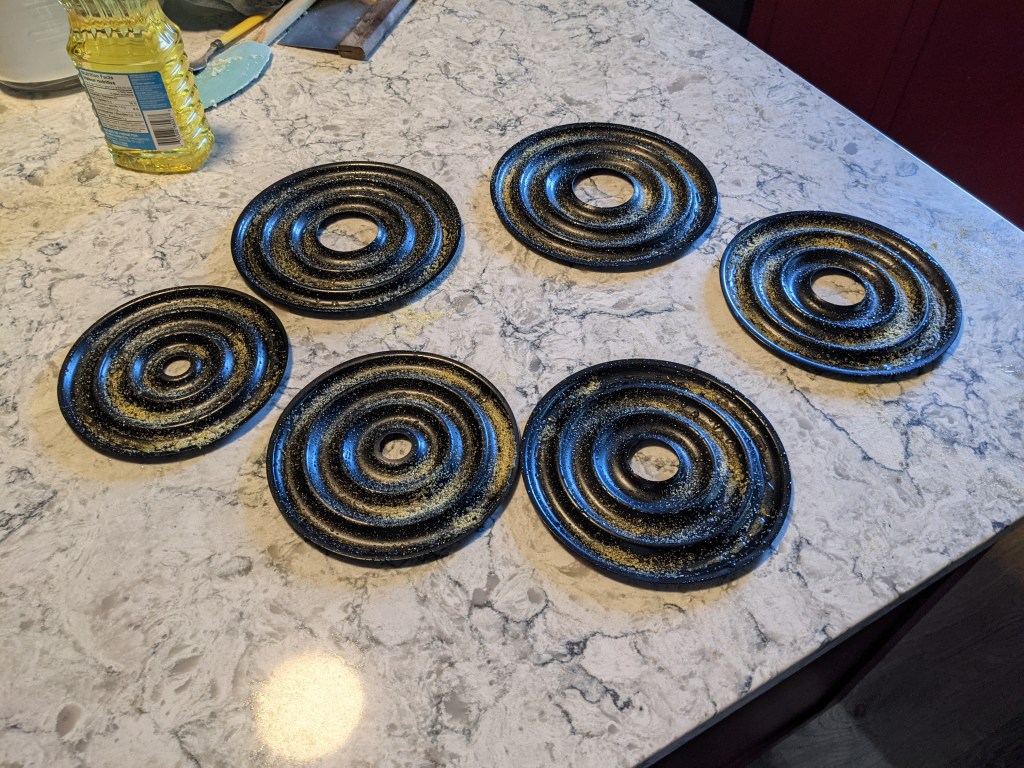
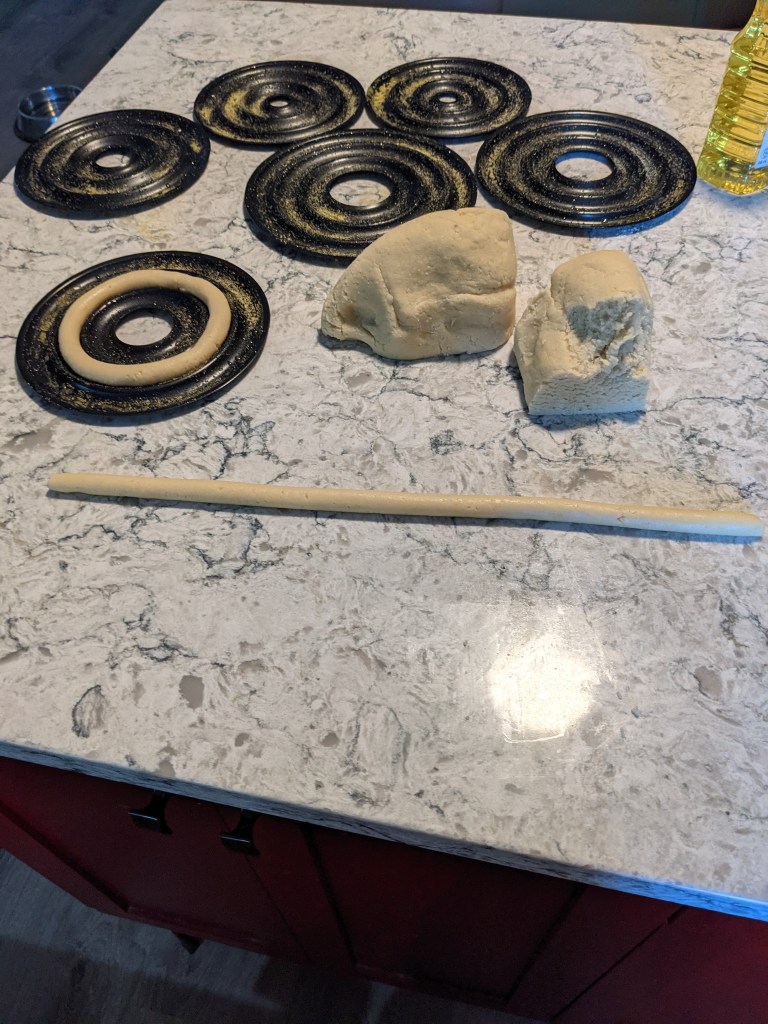
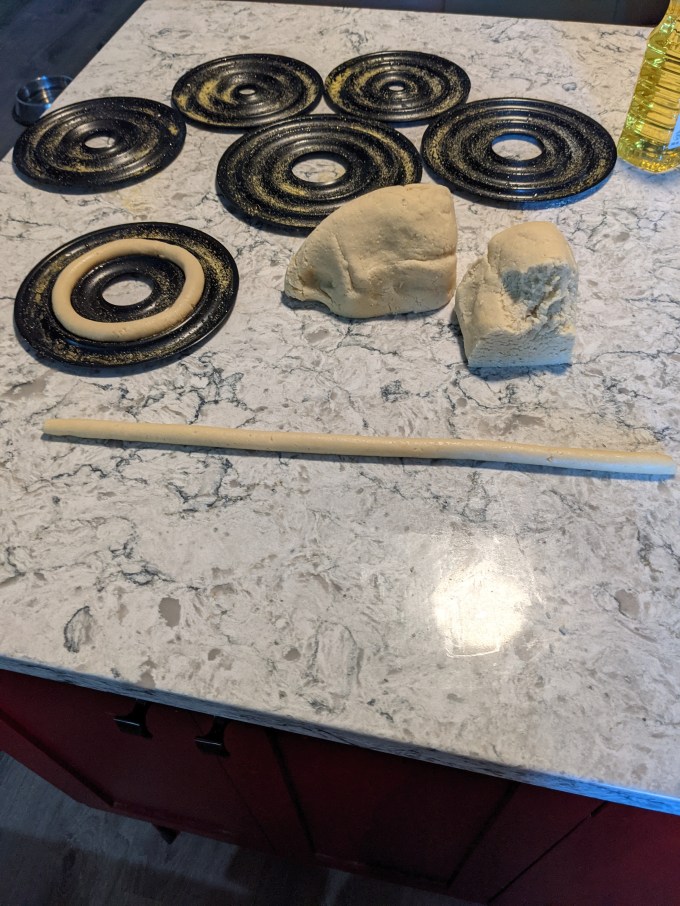
If I have to say anything was challenging about this bake, it was the CBC recipe as usual. CBC, why do you gotta do us like this? Specifically, I am referring to the entirely useless directive to “Roll the dough into ropes a little thicker than a pencil.” Uh, what? Are we talking about Norwegian or Canadian pencils? Or are pencils universal? Are we talking about primary pencils or #2? And what does “a little thicker” mean? INANE INSTRUCTIONS, CBC. Do better. I can only guess that this recipe was drafted by the same people who sat down and decided that everyone on the CBC was going to pronounce the word “schedule” as “shed-you’ll” even though literally no one here says it that way except for them.
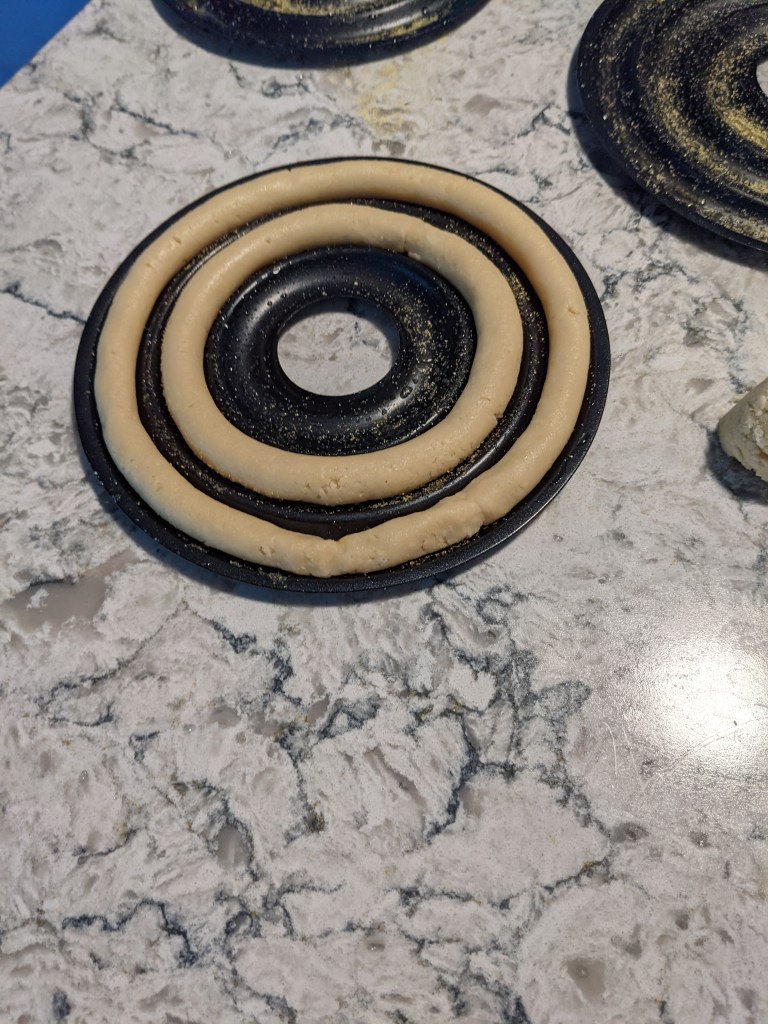
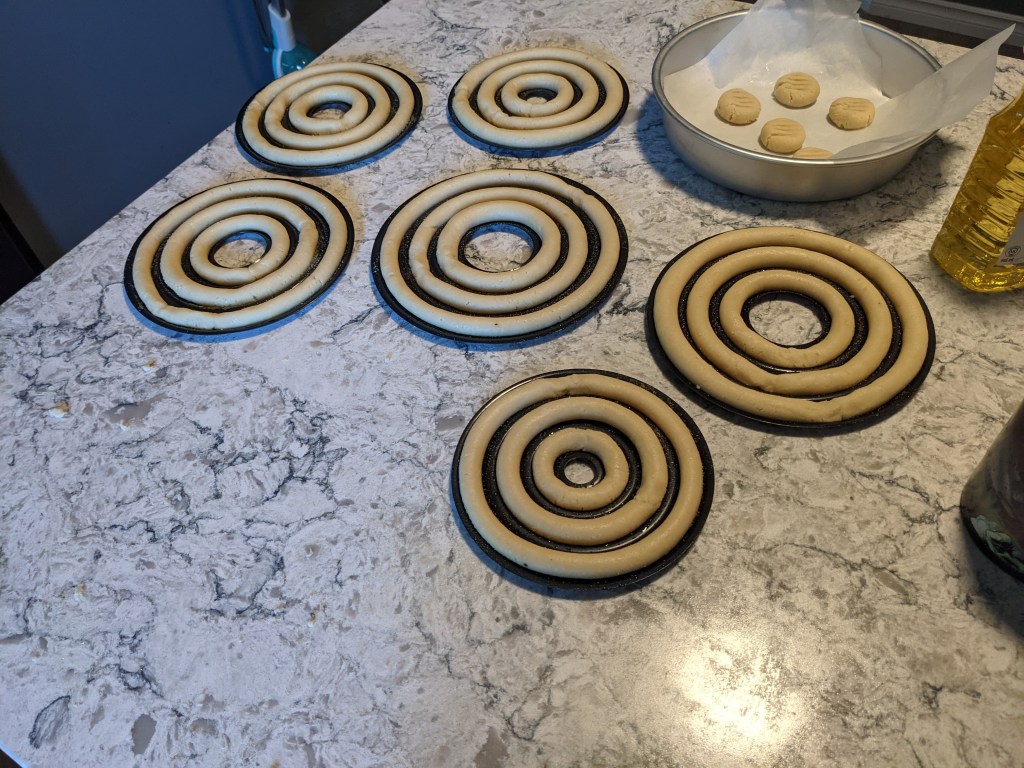
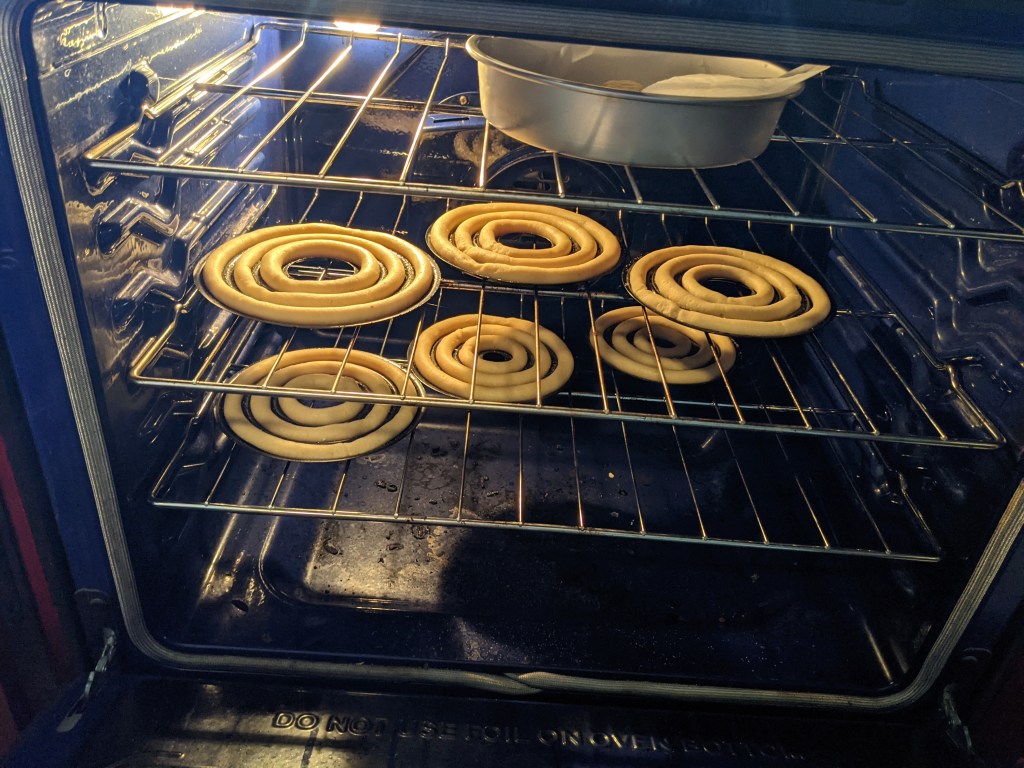
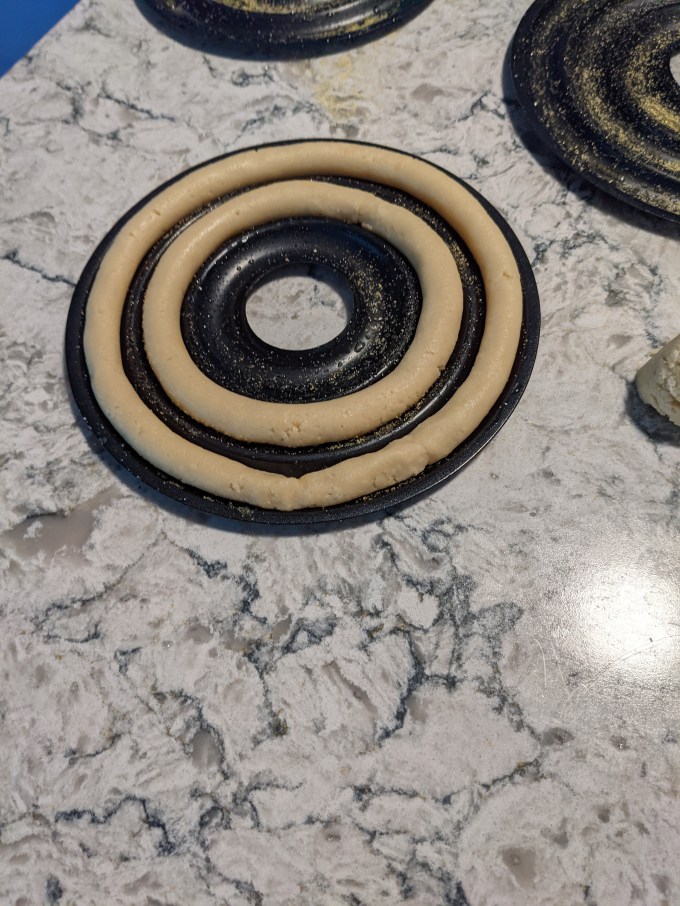
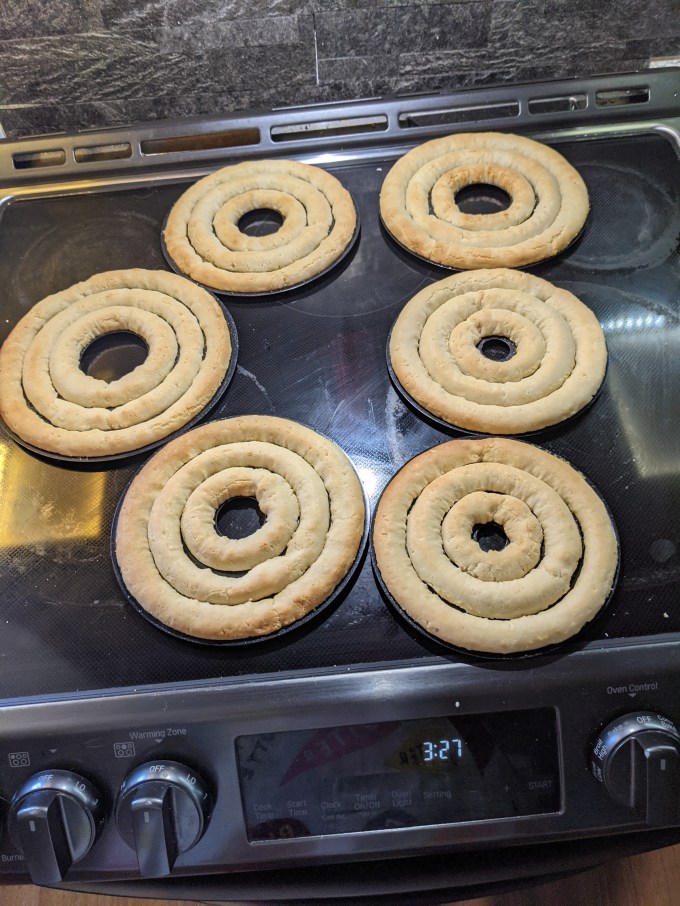
I was confounded by this type of hokey, mid century sounding nonsense, so this is the aspect of the episode I paid the most attention to during my re-watch in preparation for this post. It looked to me like the dough was only going to expand slightly so I just tried to fill my moulds about ¾ full and hope for the best. This worked just fine. If you are attempting this bake for yourself, I will do you a favour and offer “roll the dough into ropes approximately 1cm in diameter” as an alternate, non-insane, helpful instruction.
Step 3: Royal Icing
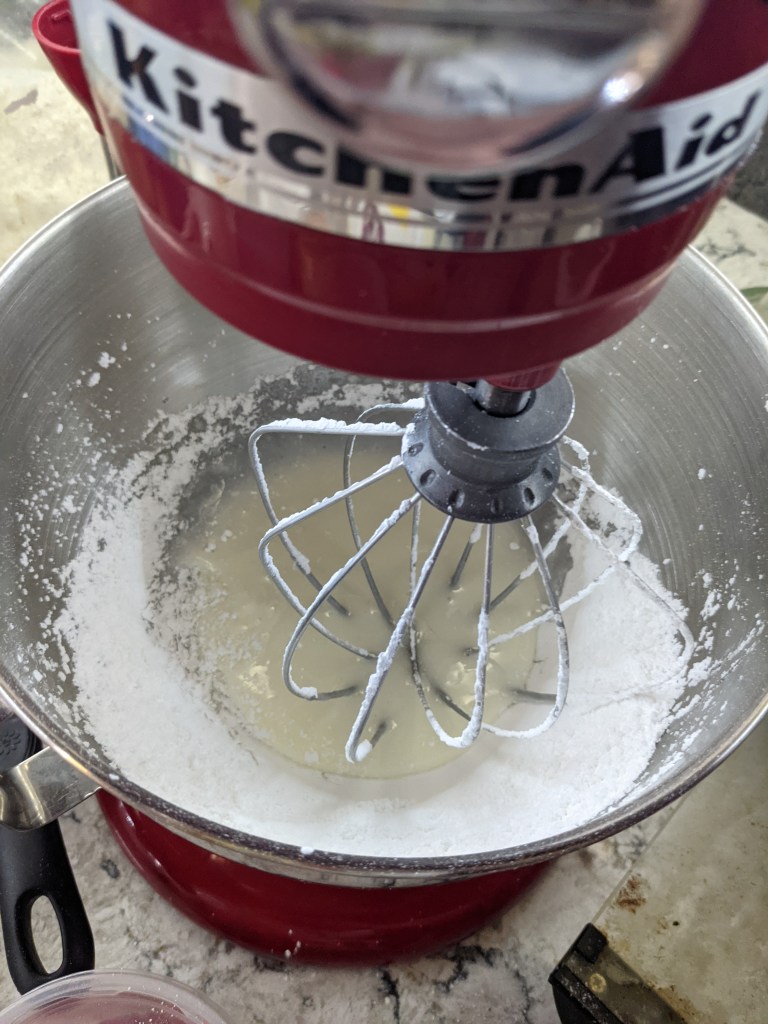
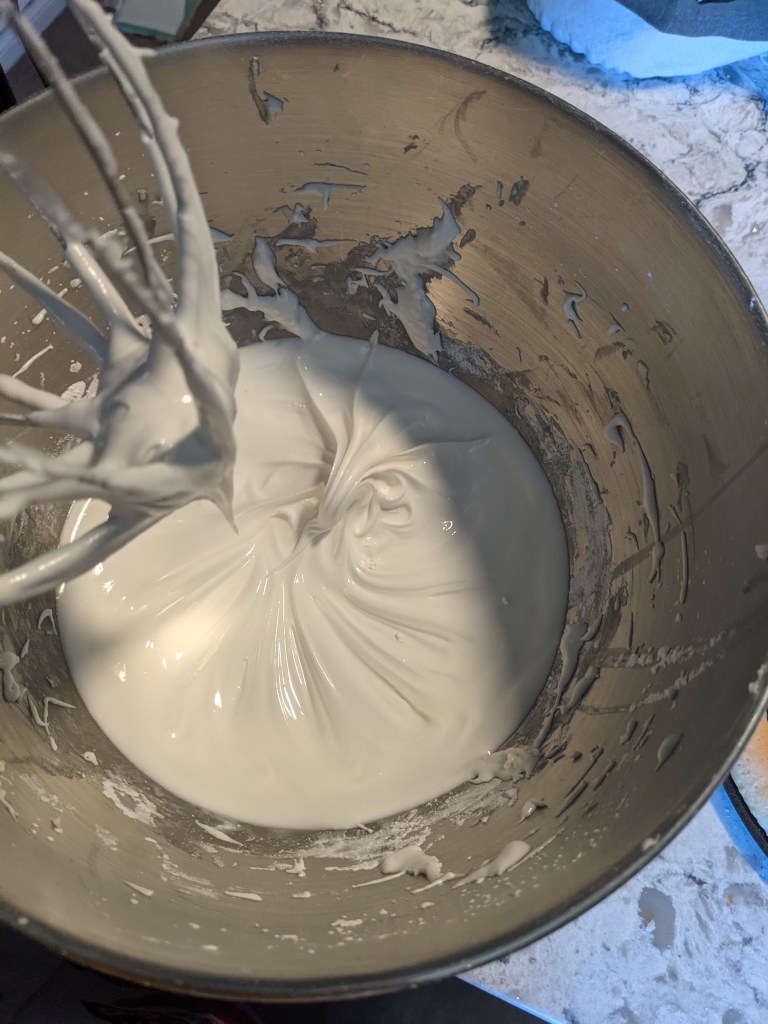
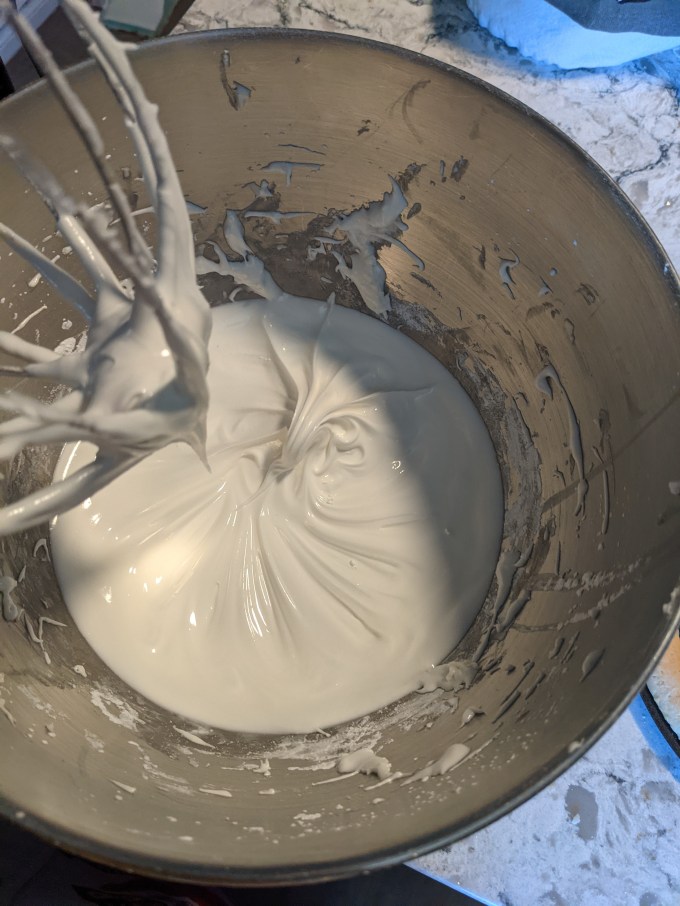
The cookie tower is glued together with a simple royal icing, which is the same type of icing used to glue gingerbread houses together. Royal icing is just icing sugar and egg whites (or you can use meringue powder and a bit of water) and hardens completely when left to dry. There isn’t much to say about how to make it, but be aware that it will start hardening quickly once it is made. It is best to make royal icing immediately prior to use and leave it covered when you aren’t working with it actively.
Step 4: Assembly
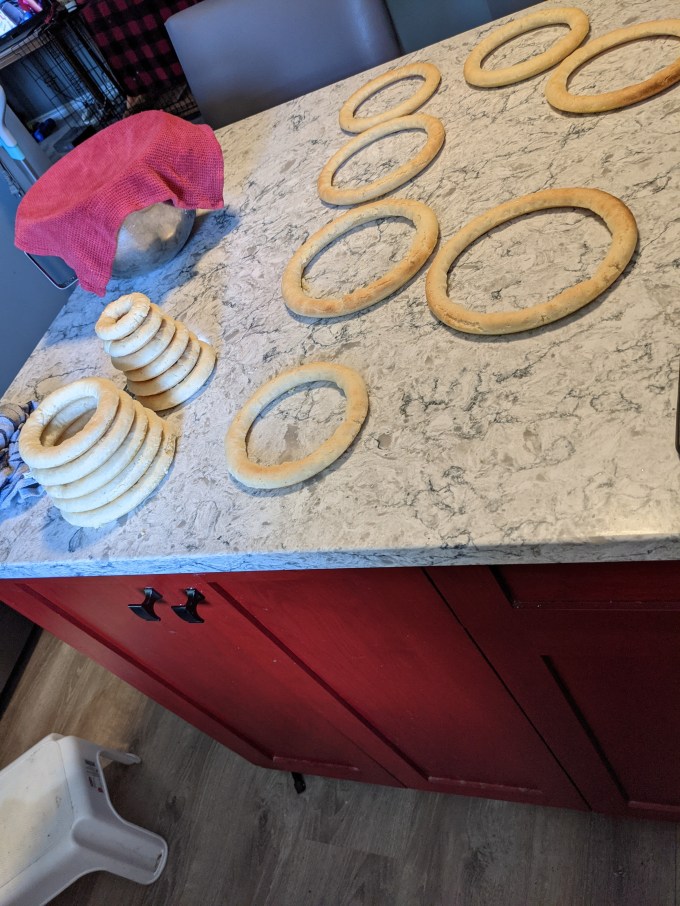
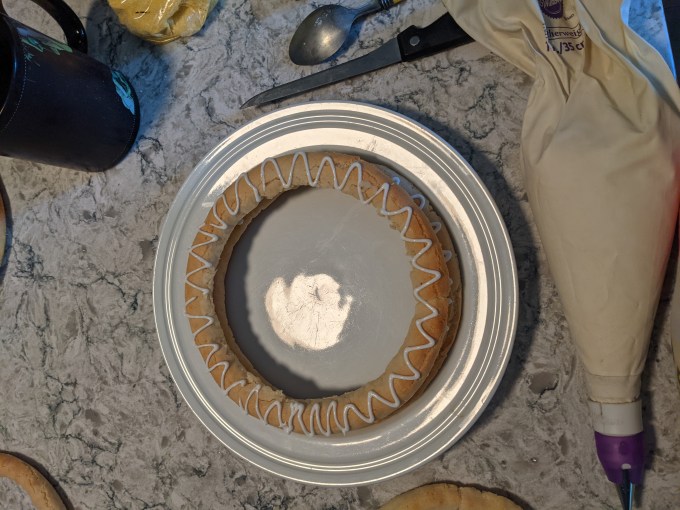
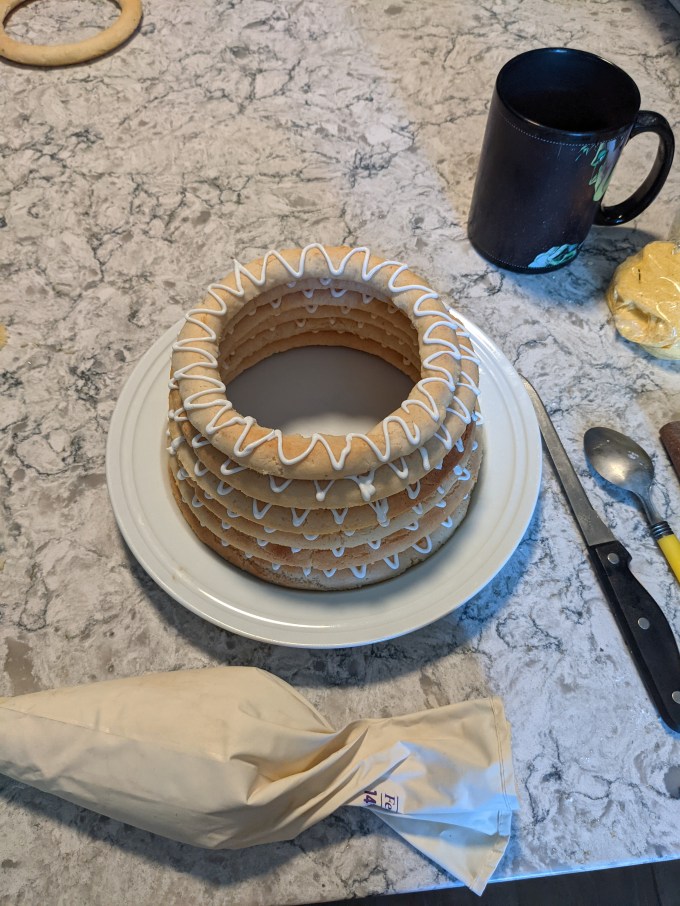
This was the most fun part of the bake for me. Simple zig zag piping and stacking of the cookies was a no muss, no fuss affair. This would certainly be a good project for someone who is new to piping because you can practice doing consistent work without really worrying too much about the appearance. It will look good no matter what, I promise.
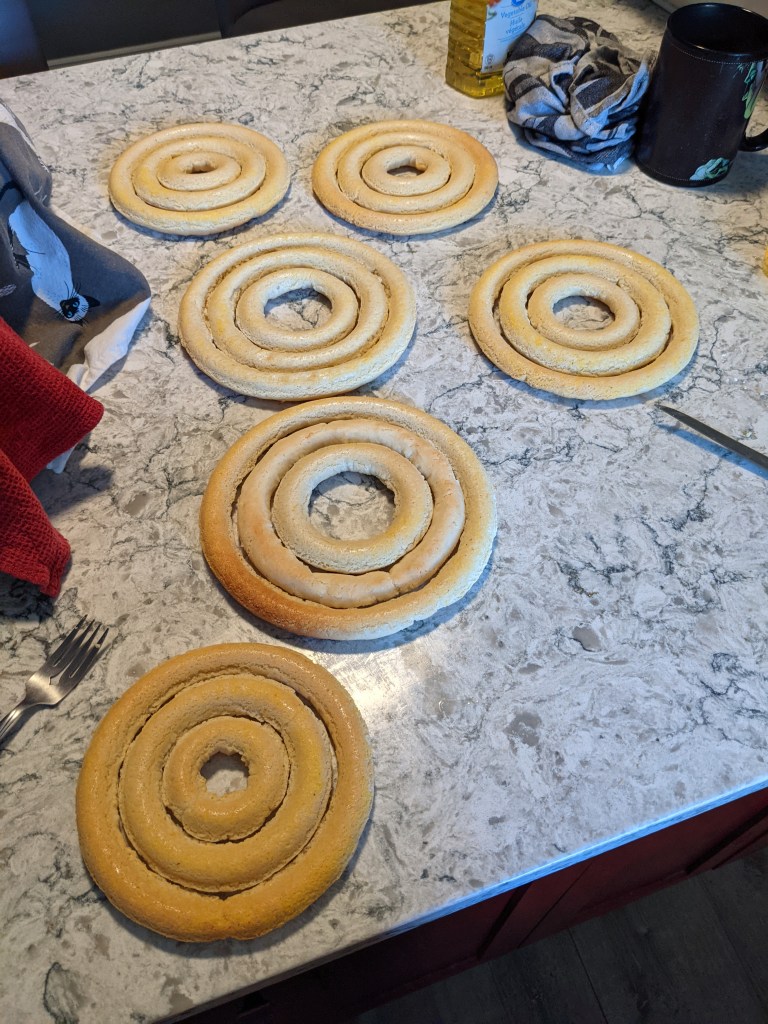
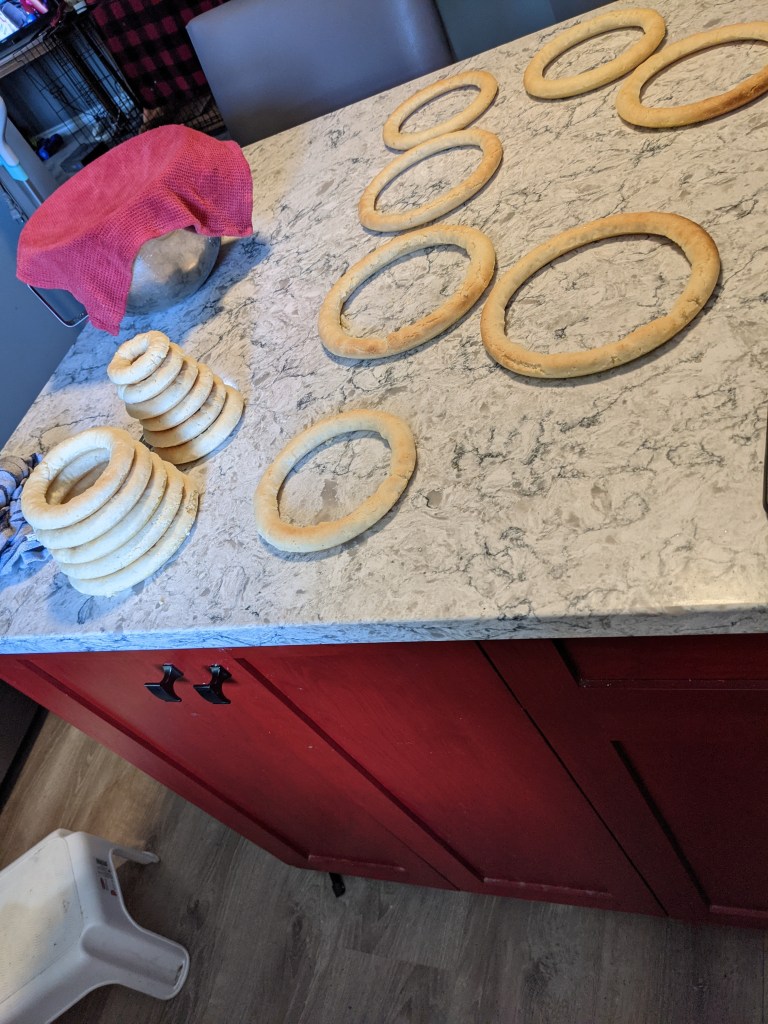


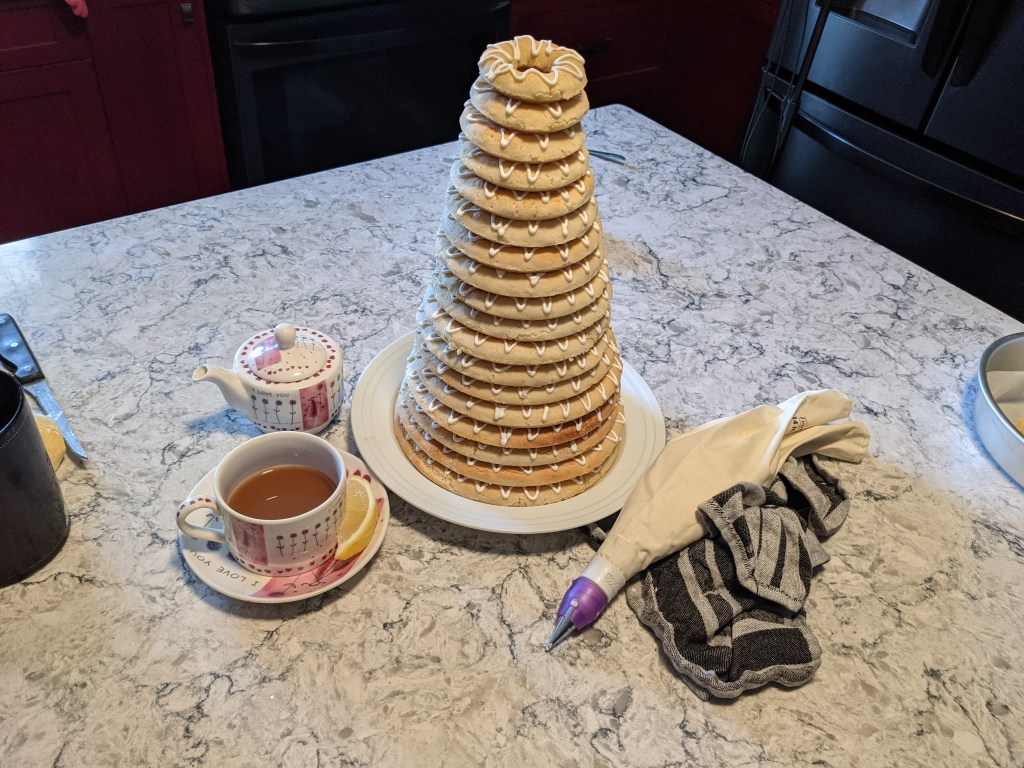
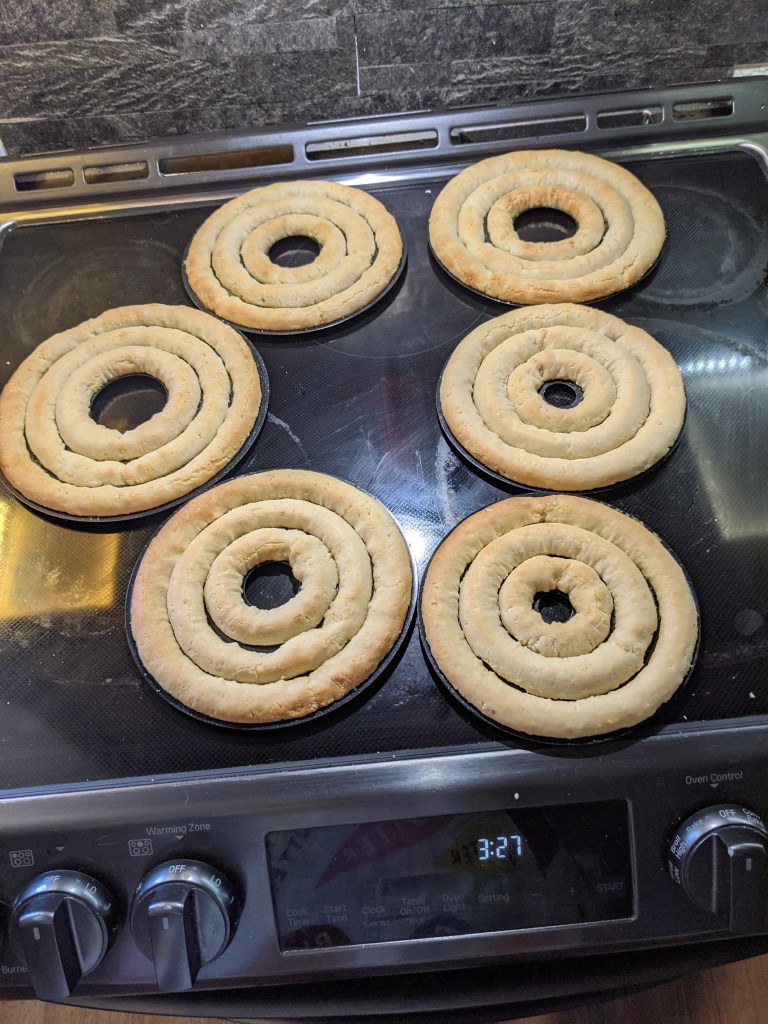
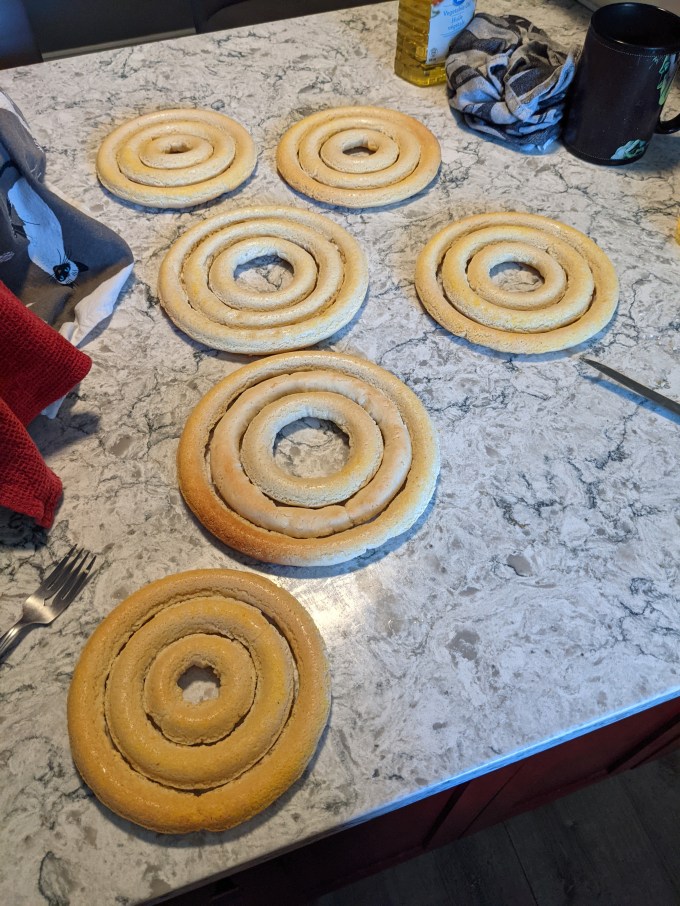
The only thing I wish I had done better with this bake is I didn’t get a totally uniform colour on all of the individual cookies so there is some variance in my stack. Not the end of the world, but if I was judging this, that would be my constructive criticism
Gallery


Hey. bakers! Check out my BAKER’S PANTRY index if you want to deep dive on specific ingredients when attempting this bake for yourself
 Baking Summit