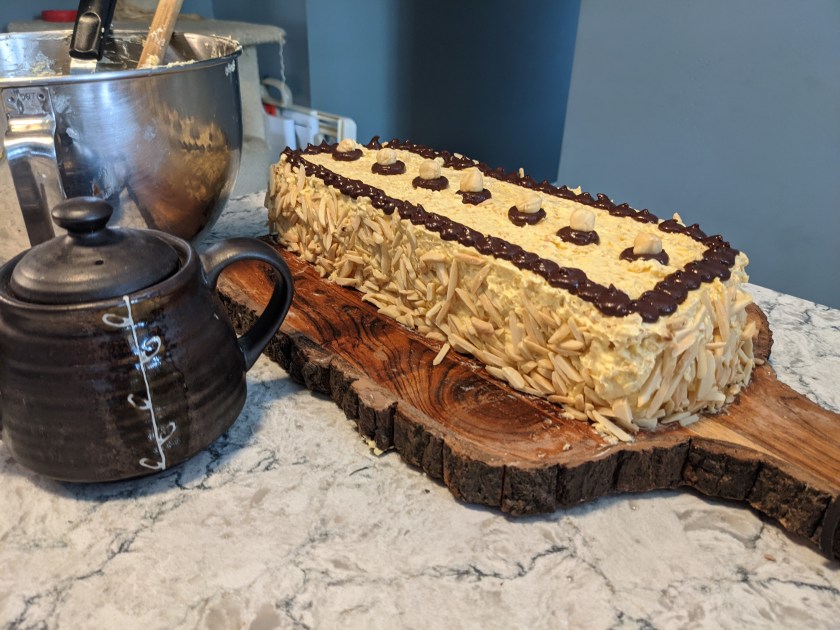
Hello and welcome to my very first technical bake! (GCBS recipe used for this post is here!) I can’t believe it’s done and I am off to the races with this crazy challenging project I have set for myself. I am full of excitement and purpose. Let’s jump right in.
Marjolaine is a French Dessert (cake?) made of layered Dacquoise, Ganache, and French Buttercream. This was the technical challenge in the Season 3 finale of GCBS, because apparently I am a glutton for punishment. I didn’t intend to start this project with a season finale (ie. presumably among the most difficult) bake from the show. I did so accidentally as I was mostly choosing based on what was already available in the pantry (aka “I am a cheapskate”).
My cost saving measures didn’t even work because I bought what might conservatively be referred to as a “shit ton” more nuts than I needed out of paranoia. But that’s enough of a look at my internal life for one post.
Jump to photo Gallery
Step 1: Dacquoise
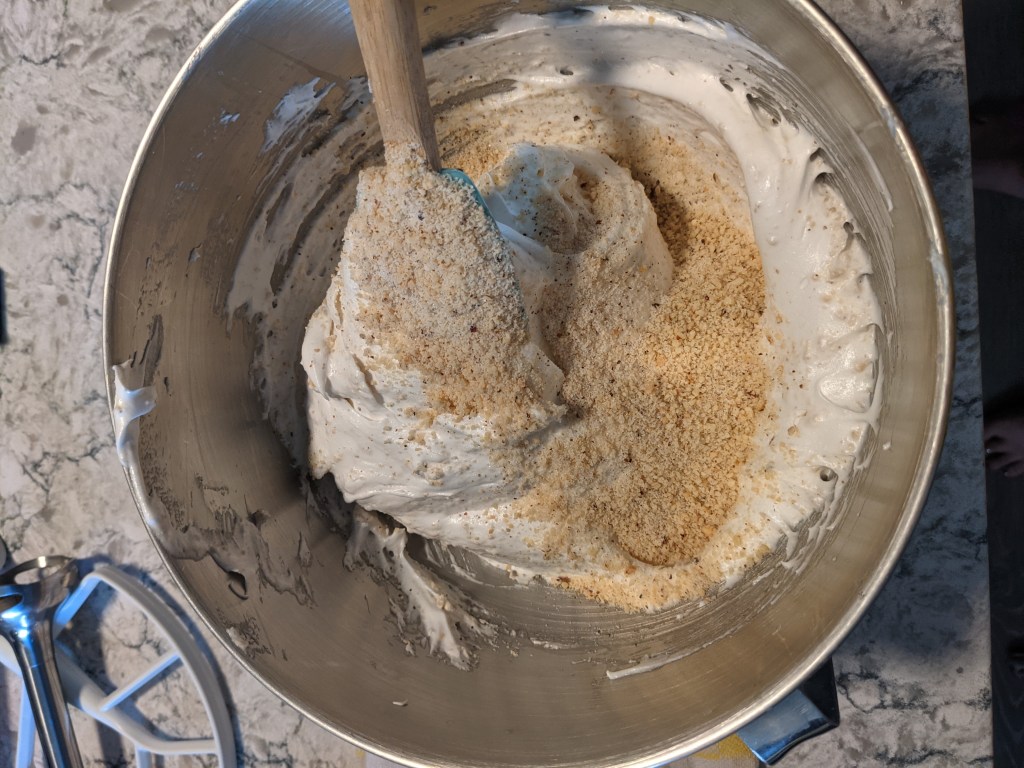
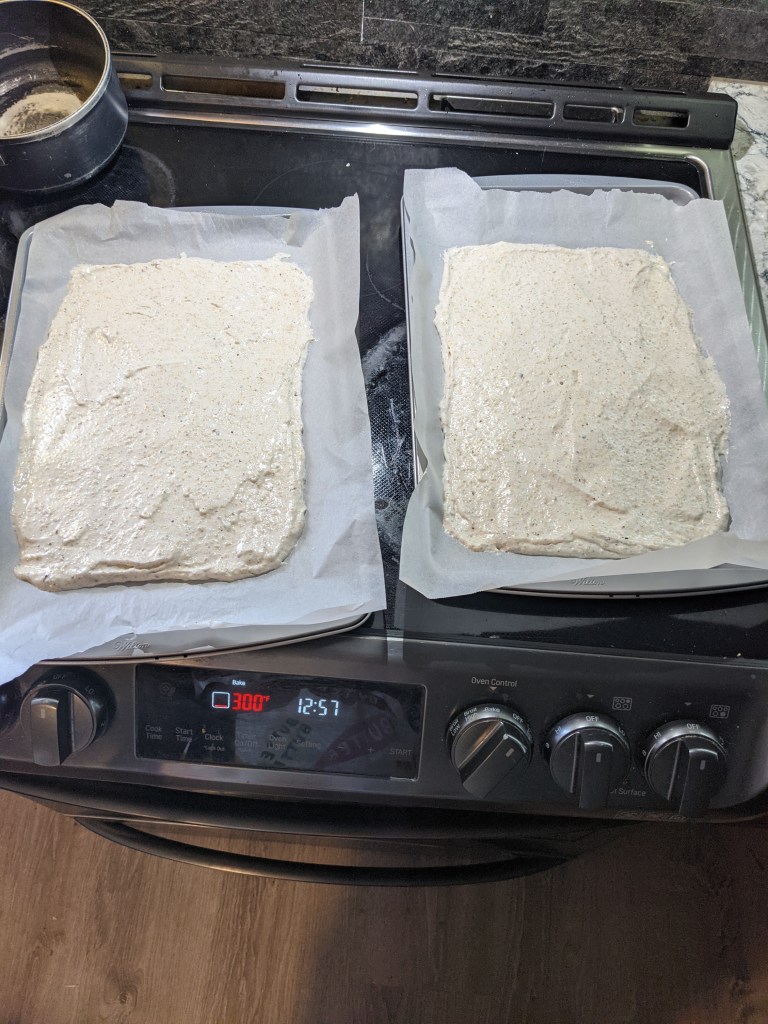
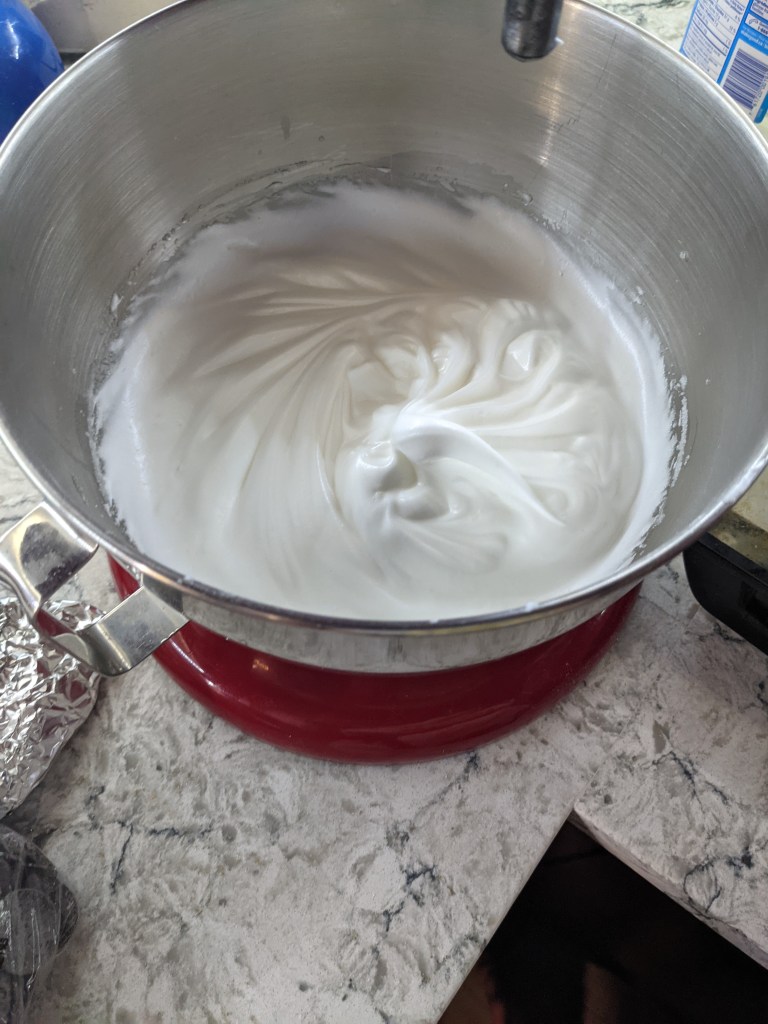
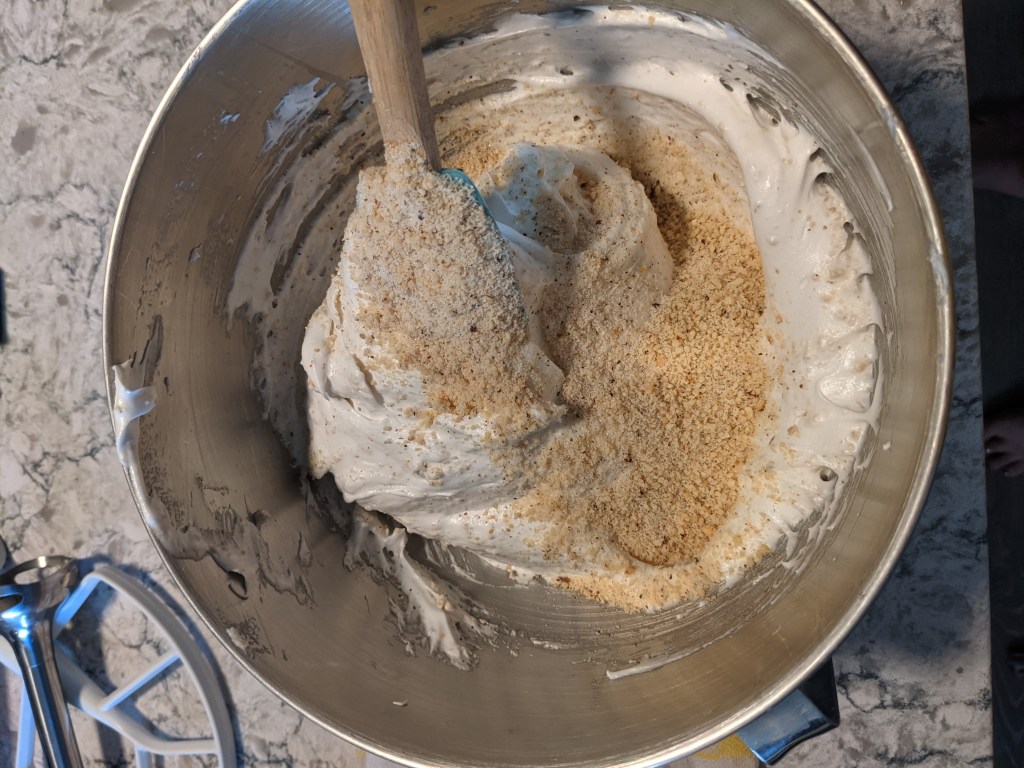
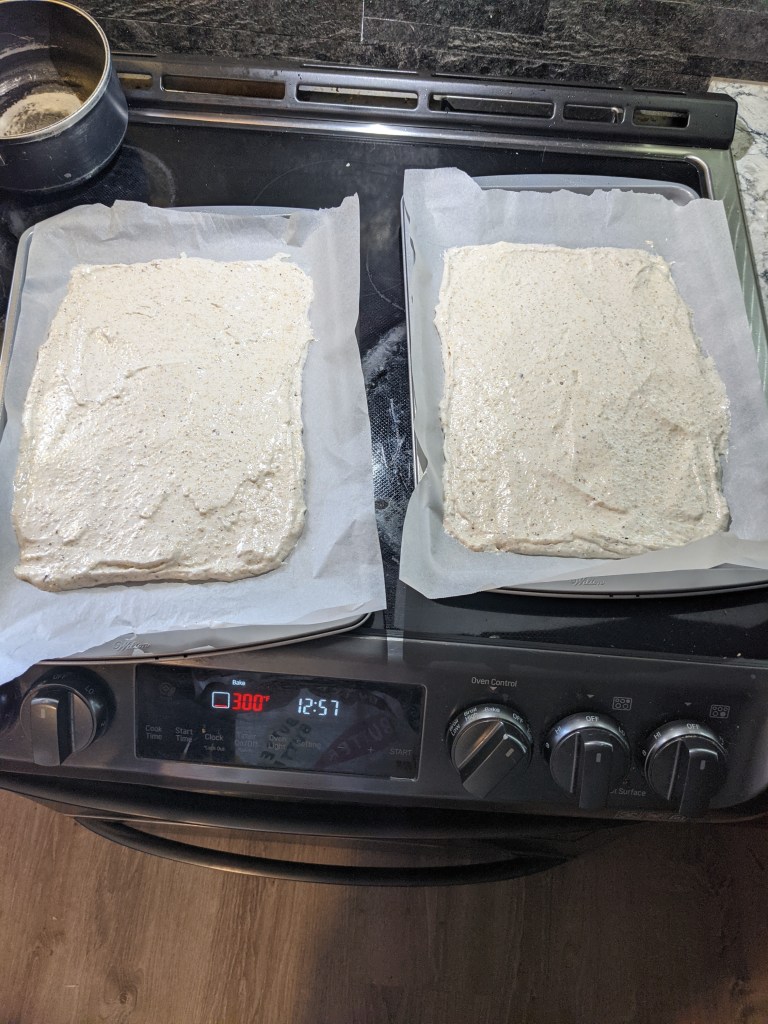
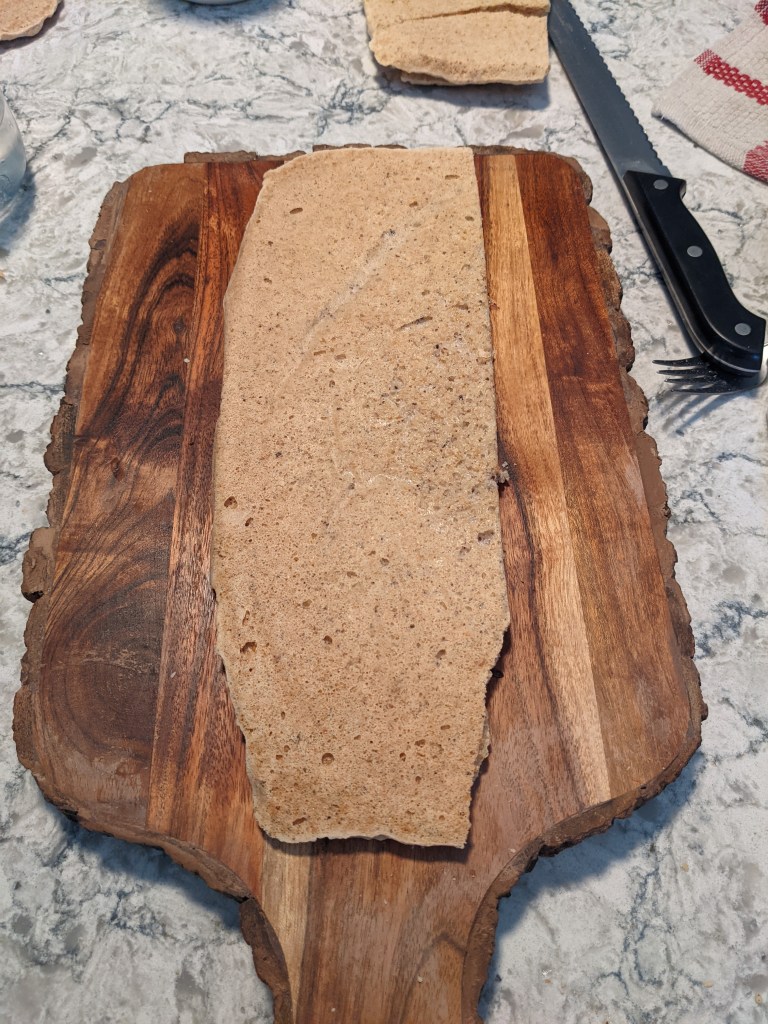
Dacquoise is a meringue mixed with toasted nuts used as a base for “crunch cakes” as they are sometimes called (at least by my sister-but when she said it, I felt like it is a real term?) and mousse cakes.
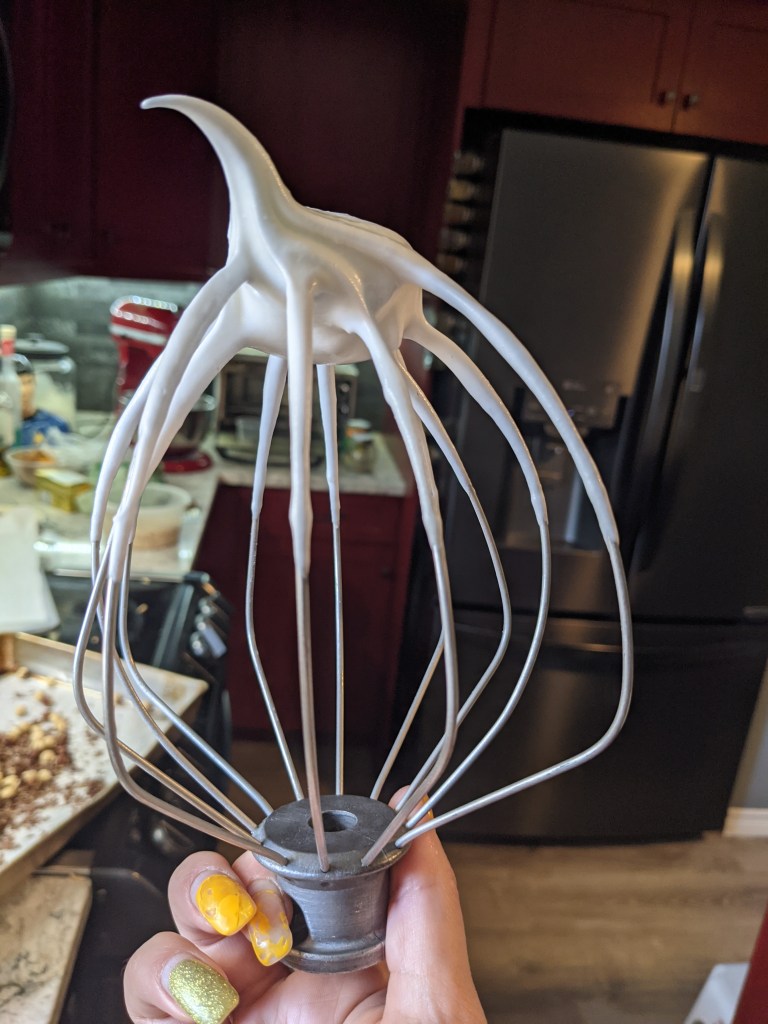
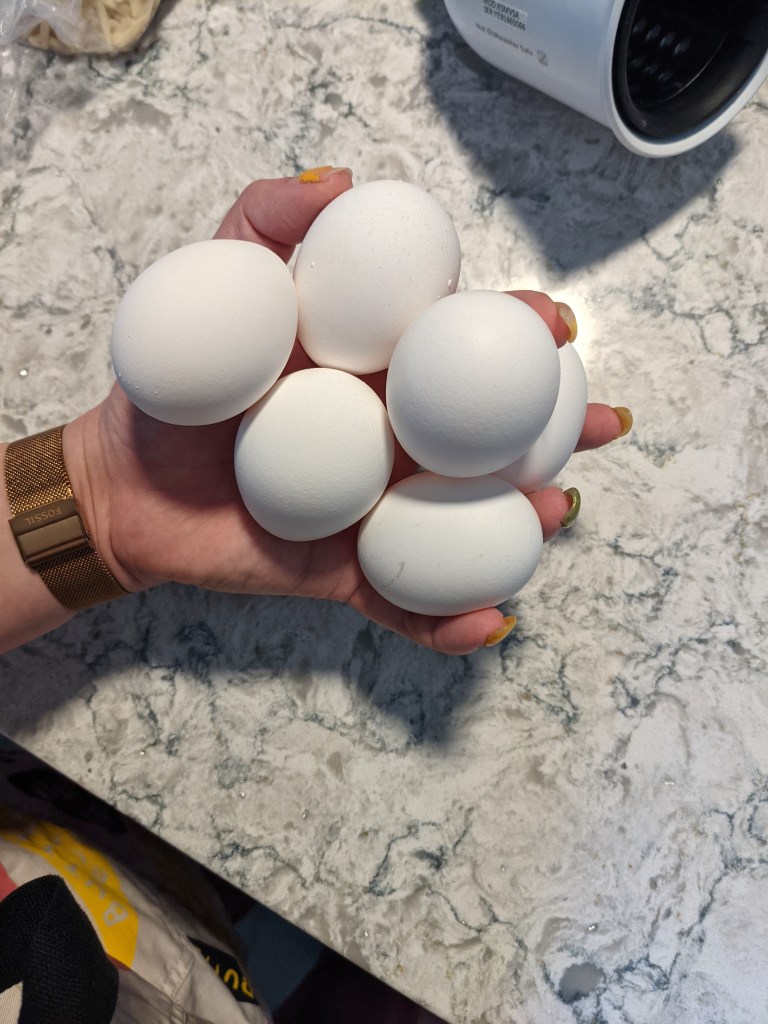
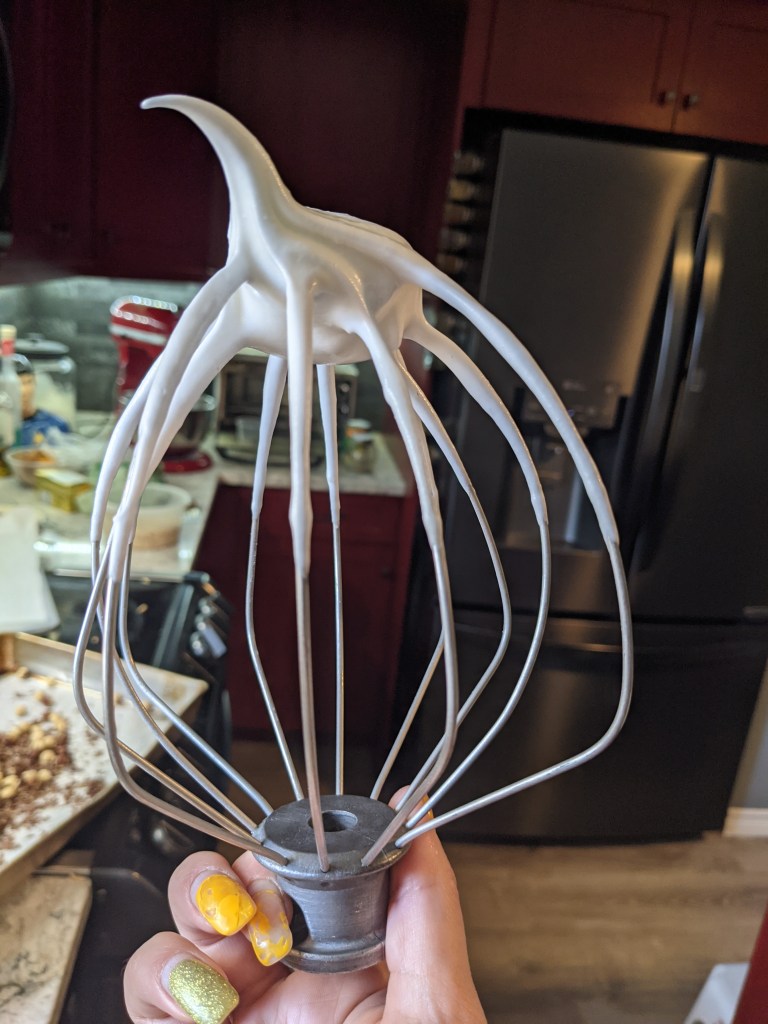
Meringue is such a cruel mistress. I have made meringue what feels like eleventy million many times, and I have been happy with my execution of it exactly once prior to this bake. For some reason, I went into the making of this meringue with unusual serenity, and I know in my bones I got it right. The only thing I would improve the next time I make Dacquoise specifically is I would take about 10 min off the baking time and check it more frequently while cooling in the oven to get a softer centre.The judges on GCBS said it should be crisp on the outside and soft on the inside. The point is, I did the right thing with the egg whites for a change and I know the batter was right going into the oven. So that was a win. I think re-watching the episode the night before helped. Or maybe this project is bolstering my confidence. Or maybe it’s hubris and my next meringue will be a waking nightmare…

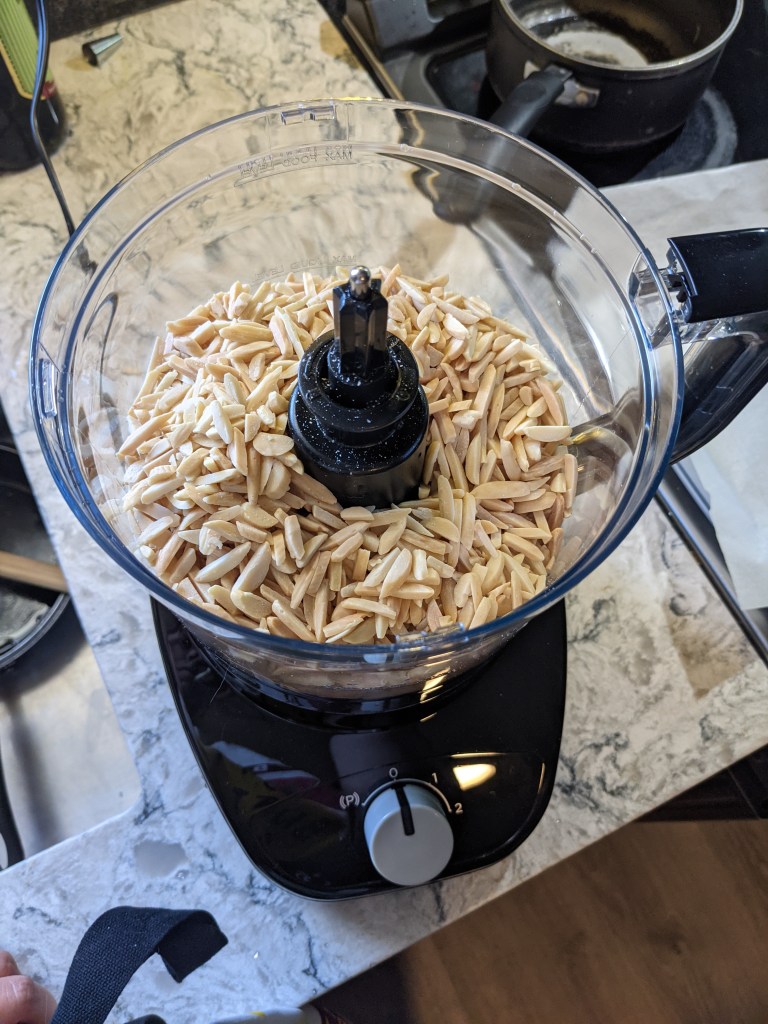

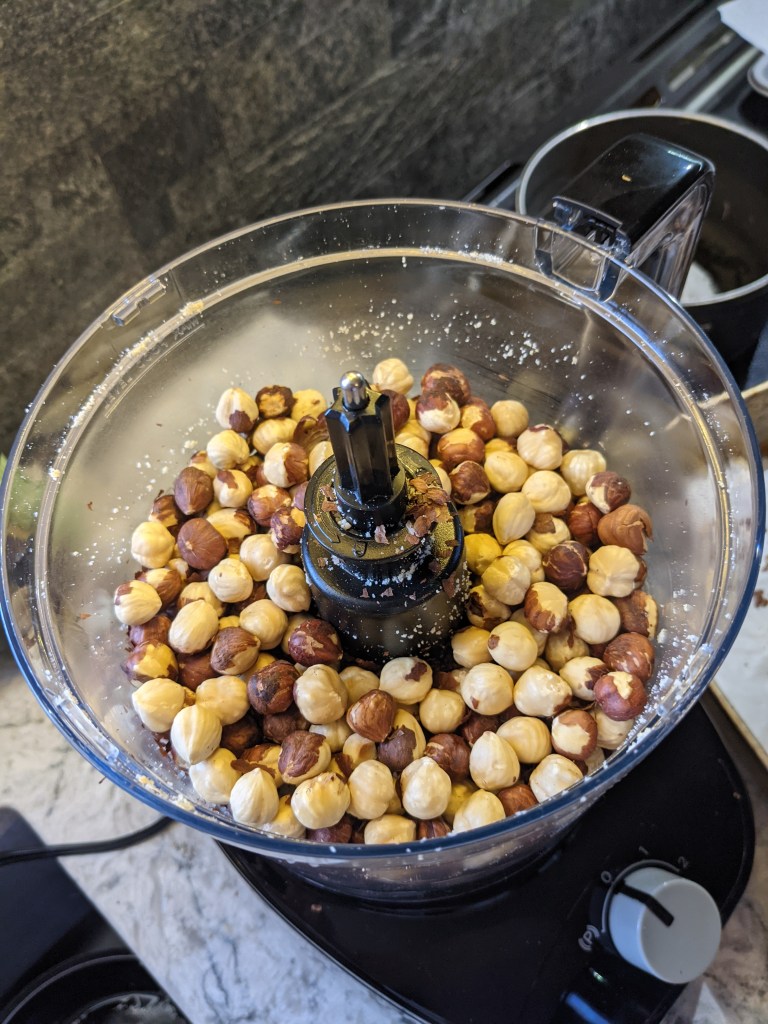
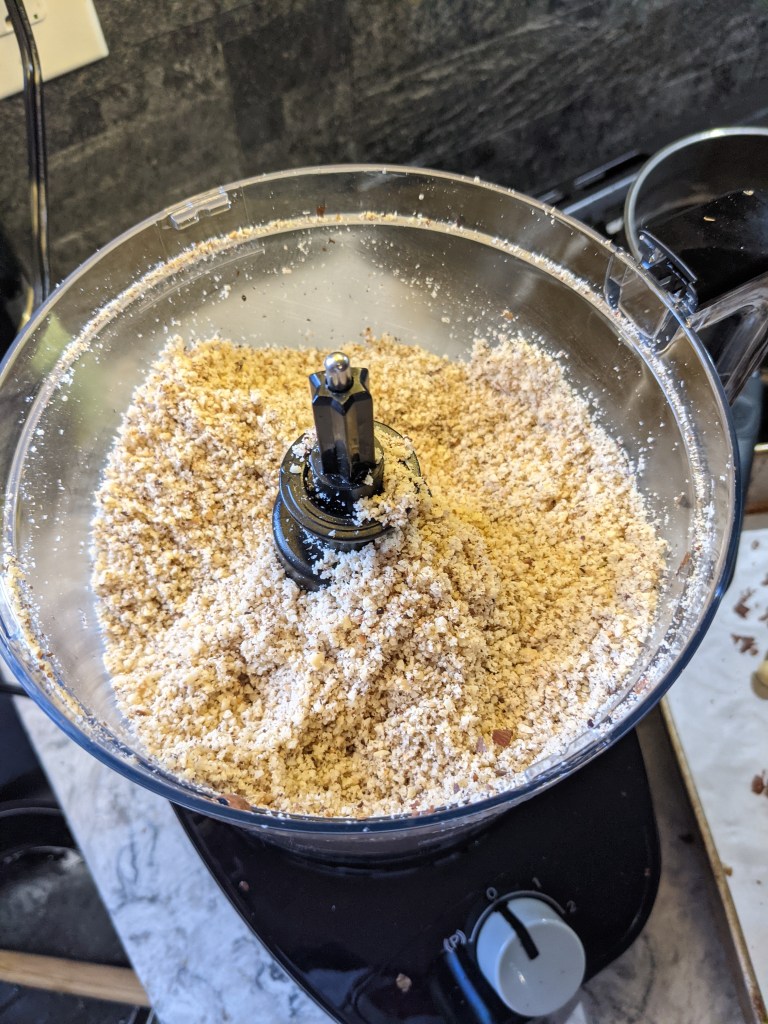
Step 2: Ganache
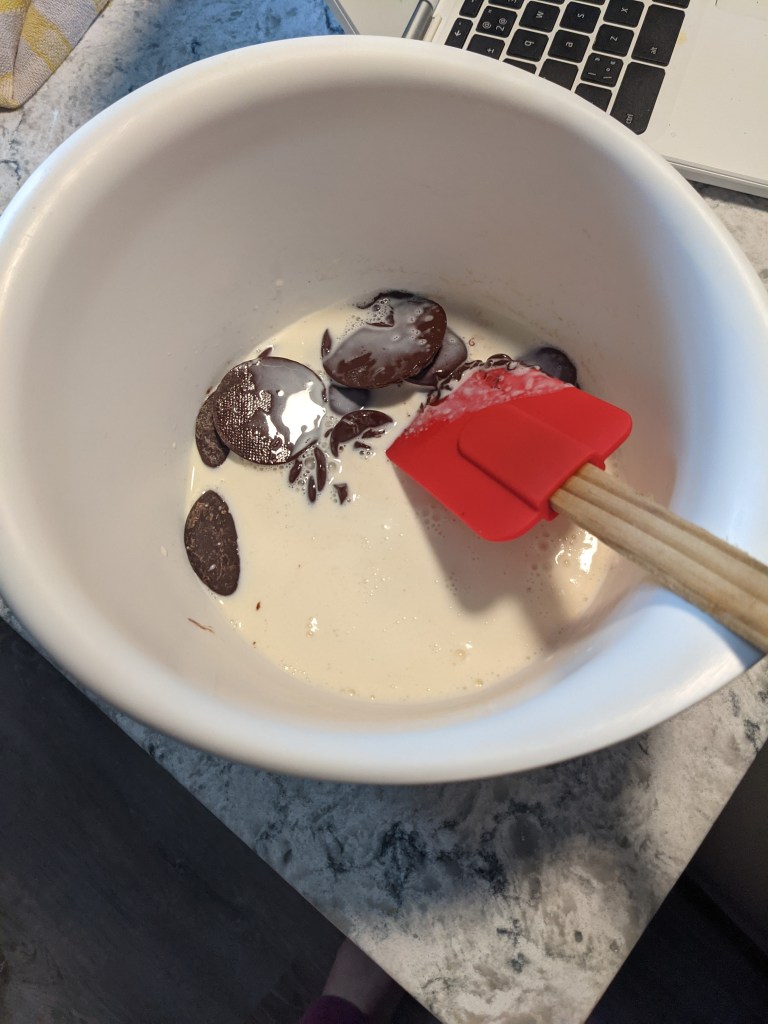
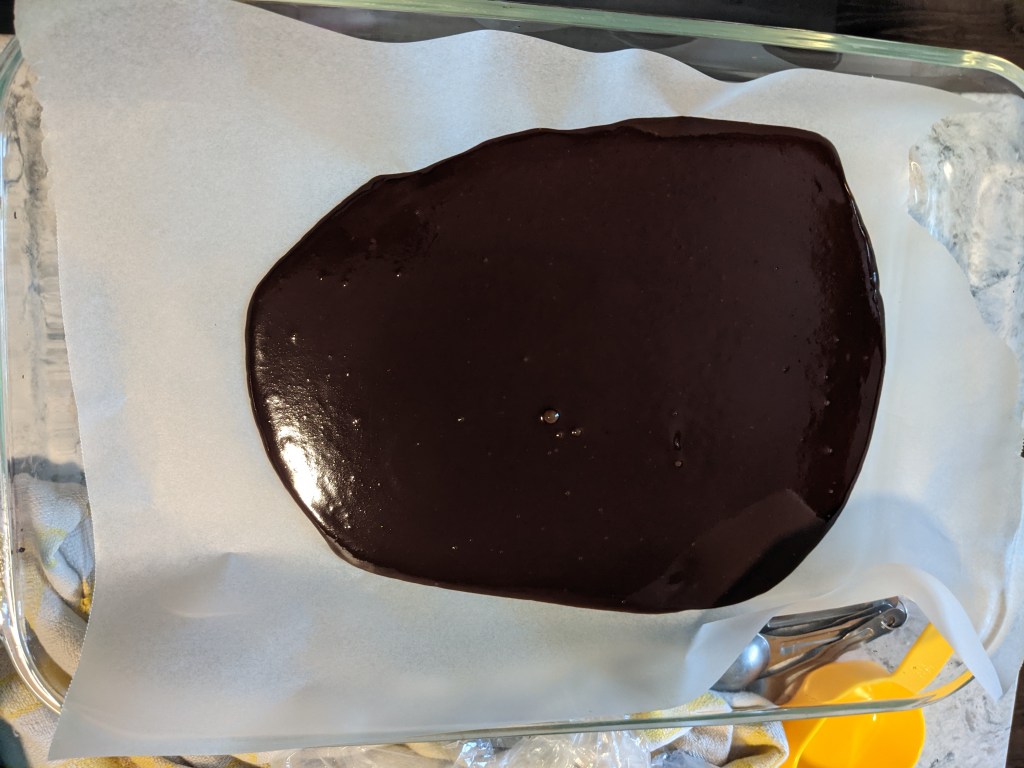
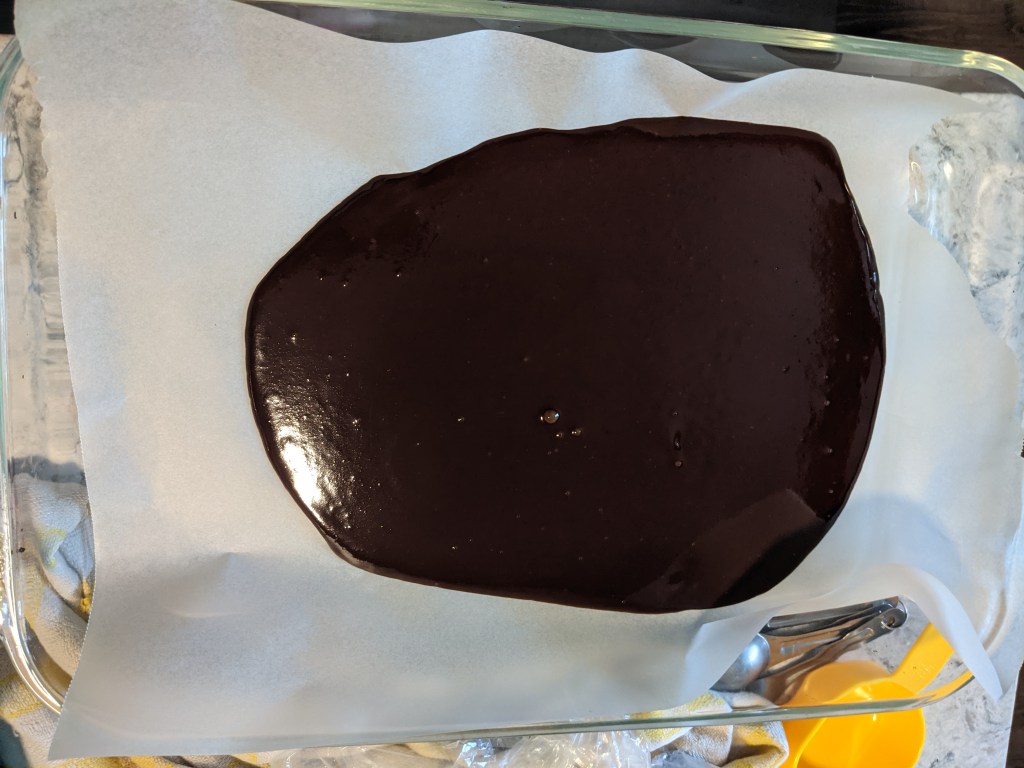
This is the easiest and best preparation of ganache, in my opinion: boil cream, pour over chocolate, add corn syrup, and stir. Delightful. My execution this time around needed to be slightly thicker, so I should have used a bit more chocolate. Unfortunately, the CBC recipe for this bake is given in volume instead of mass (wtf CBC) which is something I am really upset about coming to terms with. Lesson learned.
Step 3: Pralines
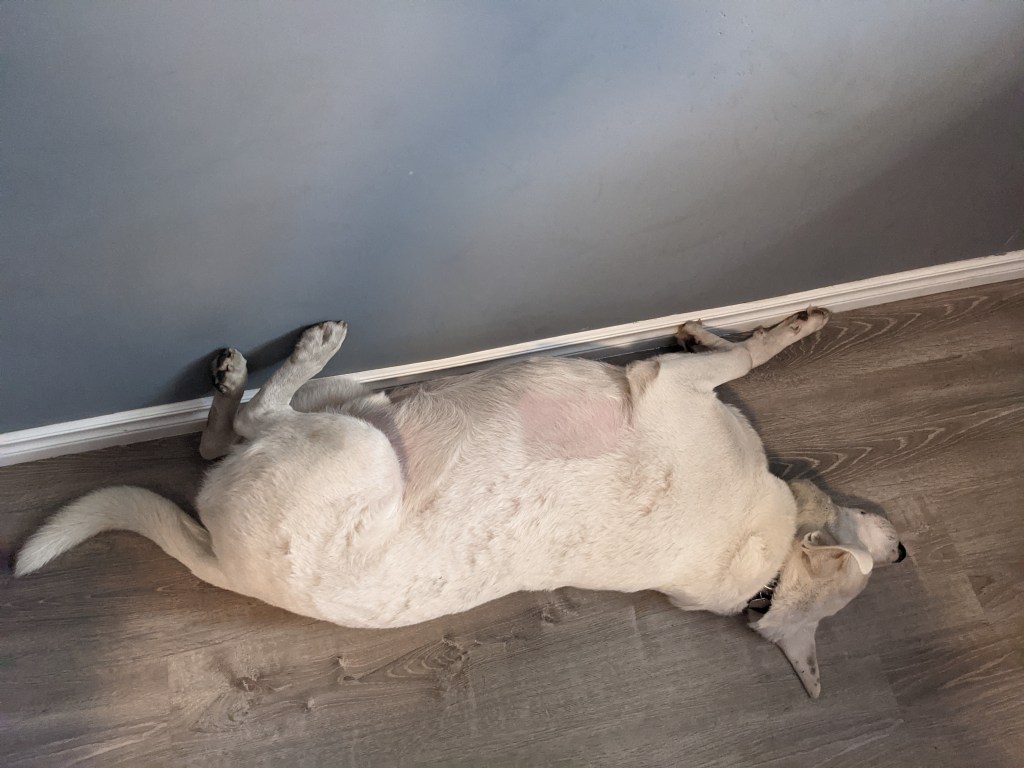
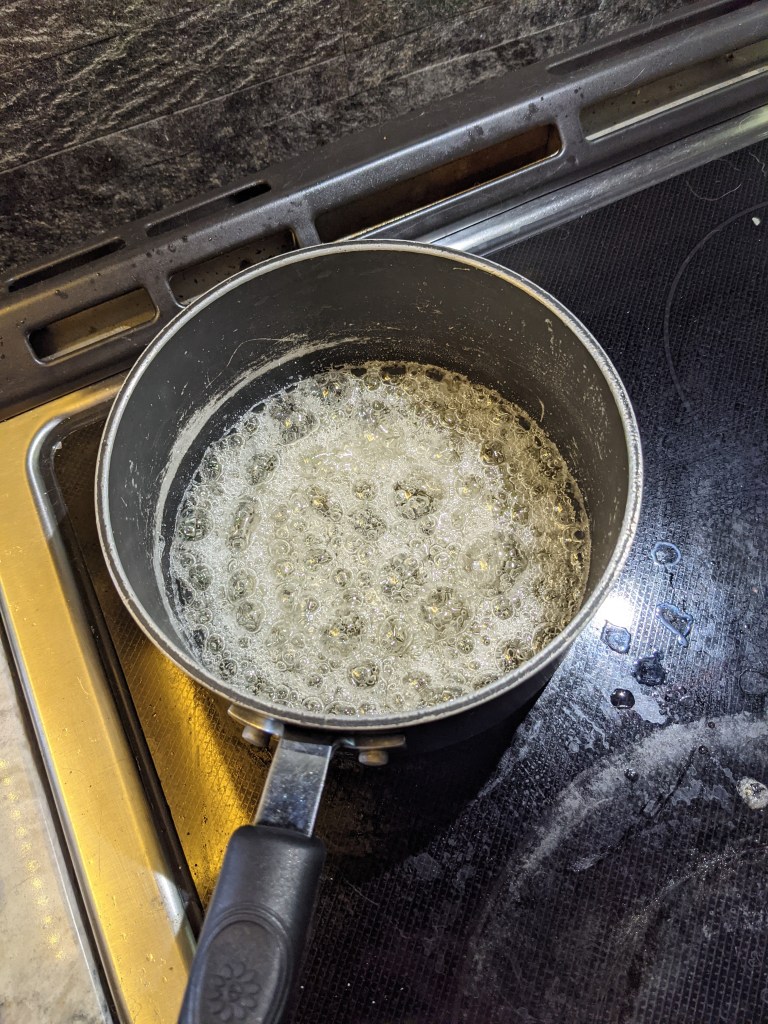
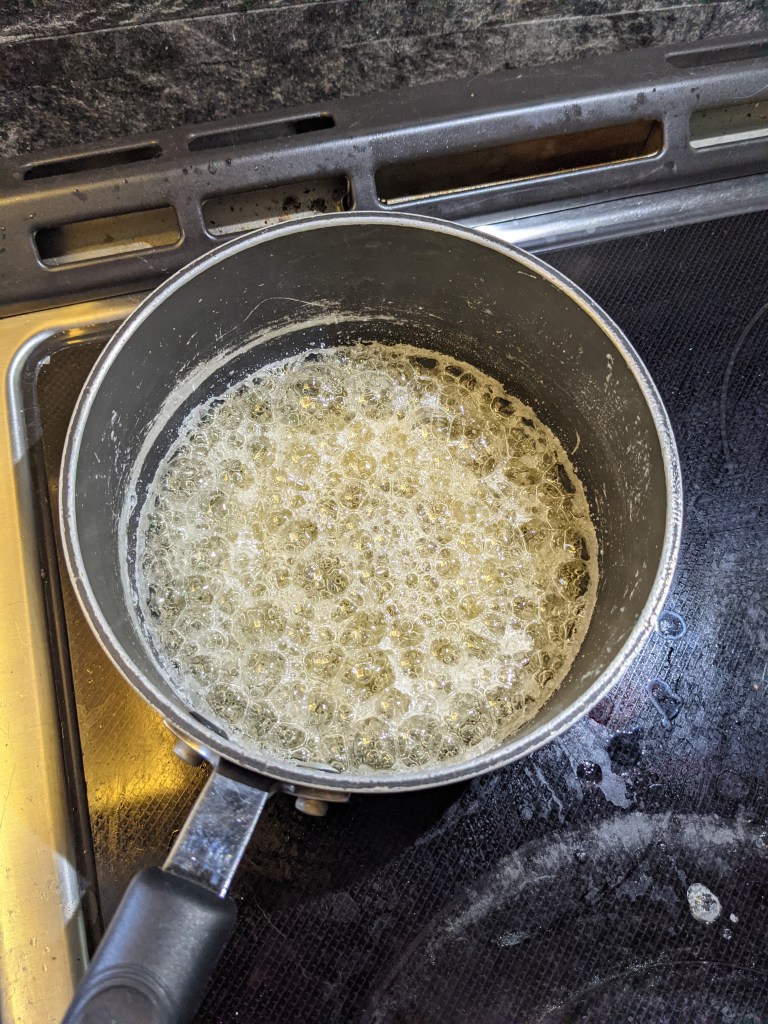
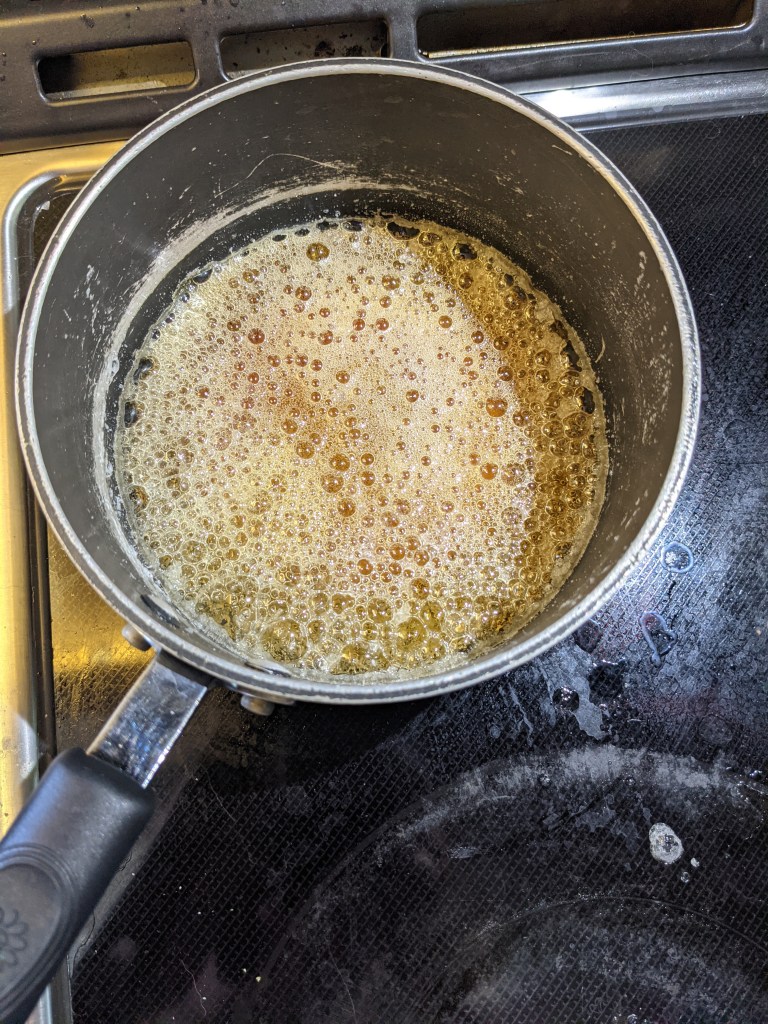
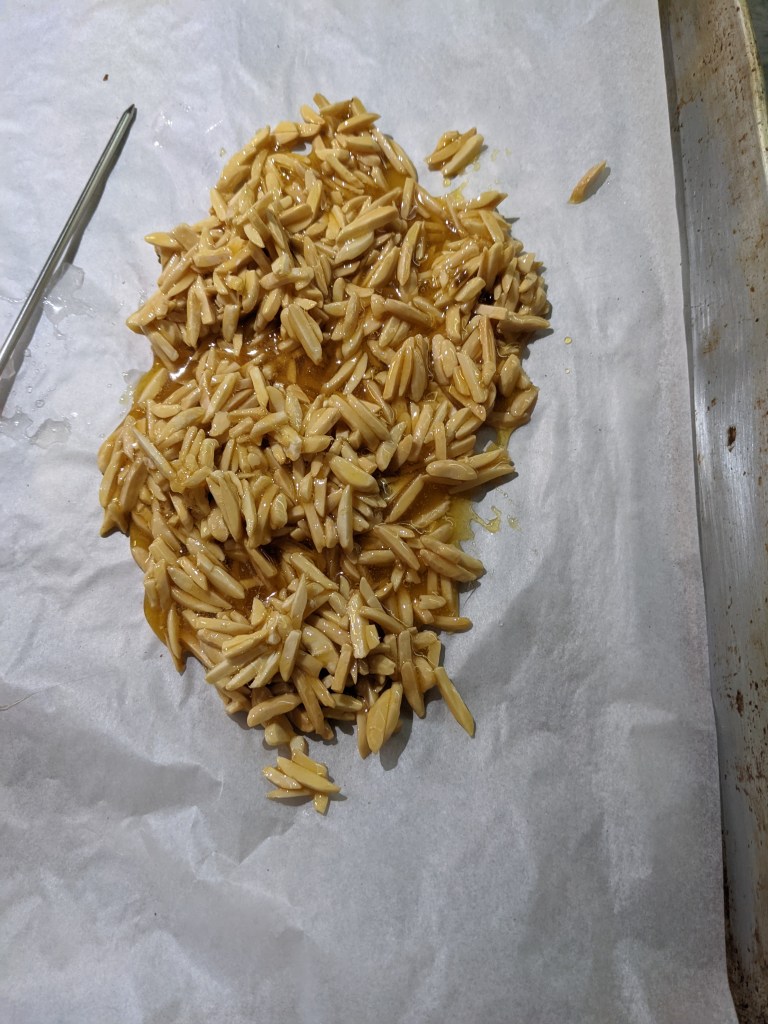
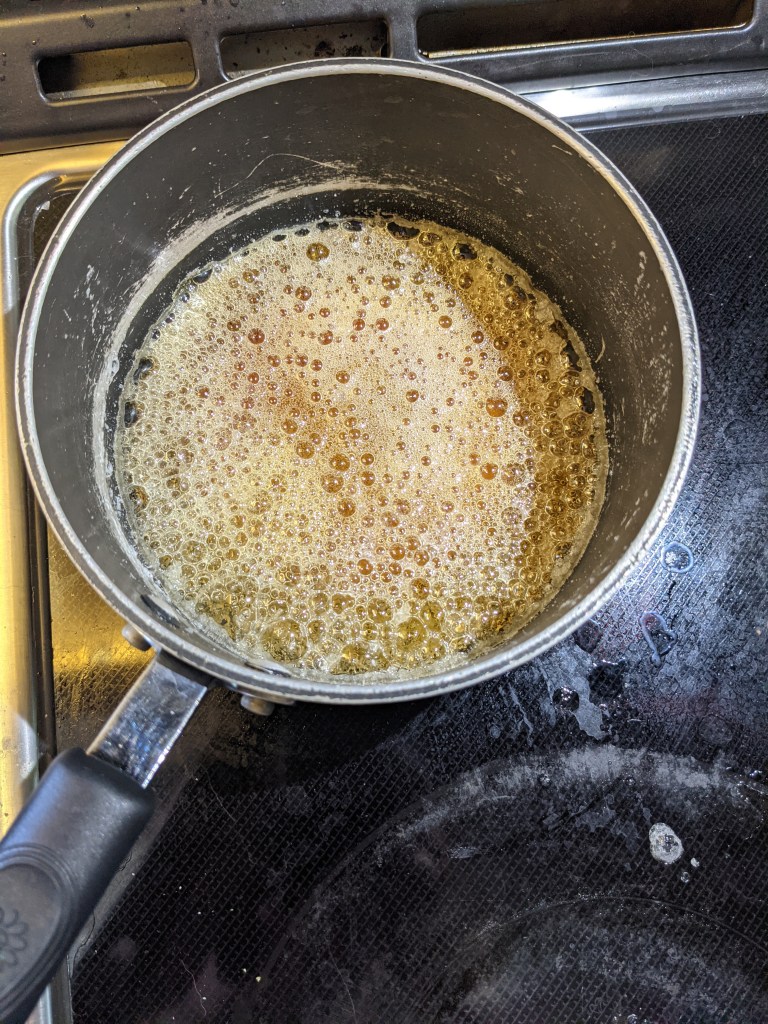
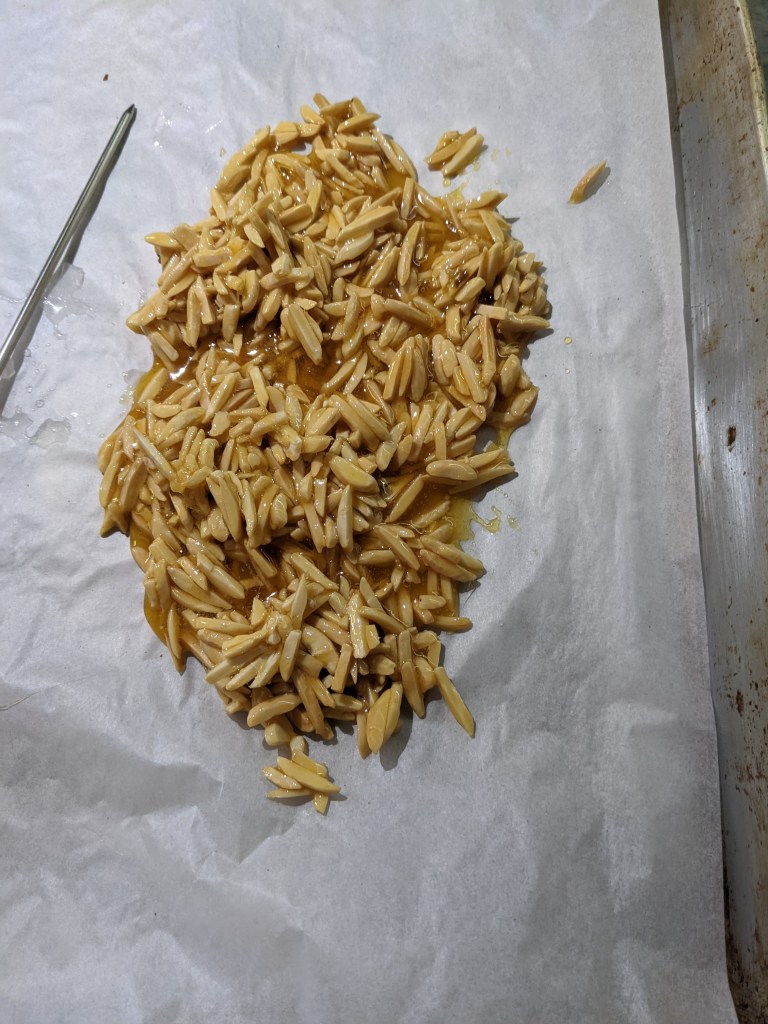
Pralines are candied almonds and that sounds so simple doesn’t it? I think the real reason I was serene about the meringue is because I knew I had to do sugar work AND meringue and I have a finite capacity for dread. Sugar work: love-hate. Love because when it turns out I feel like a science god. Hate because that almost never happens on the first try. True to form, it was my third attempt on this that worked, but I got there in the end. Even the dog was sick of the caramel by the end of it:
Anyway, this step was mostly just a matter of getting the sugar up to temp to make a medium-amber caramel and then dumping it on the nuts. Once I decided to look at it that way instead of dicking around with the candy thermometer, it worked. This seems to be my plight with candy: I always do better with the old school methods rather than using technology and it B O T H E R S M E. I was sorely tempted to change the recipe and add some corn syrup which would have prevented the crystallization I was struggling with, but I felt that would have been contrary to the spirit of what I am trying to do here. I need to execute these bakes as written! EVEN WHEN THEY ARE WRITTEN IN VOLUME INSTEAD OF MASS (wtf CBC).
Step 4: French Buttercream
Oh hello, I get to do sugar work again after wrestling with the pralines for an hour? Huzzah! This time wasn’t so bad as I only needed to bring the sugar up to 238F, which is a sugar temperature I am more experienced working with (ASIDE: what even is my life). Also I was motivated because out of all the components of this bake, the French Buttercream was the one I was most interested in learning about. French Buttercream is similar to regular buttercream, but it also includes egg yolks which makes it extra custardy and rich. The heated sugar is streamed into the egg yolks during mixing to gently cook them which creates a fluffy, stable icing. Then butter is slowly whipped in so the icing doesn’t separate or curdle. If done correctly, this is a truly opulent cake filling.
I am quite happy with my execution of the buttercream and I am pleased to have it in my repertoire now. This is definitely the kind of thing that gets a REACTION from people when they’re eating it, and that never gets old for me.

Step 5: Assembly
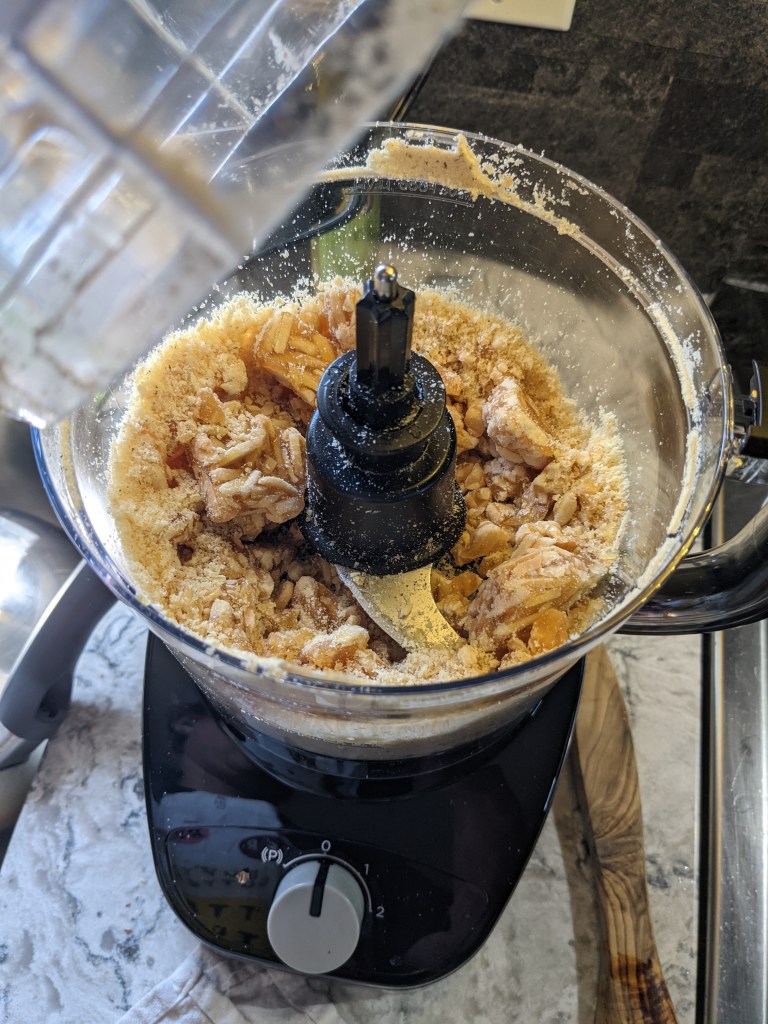
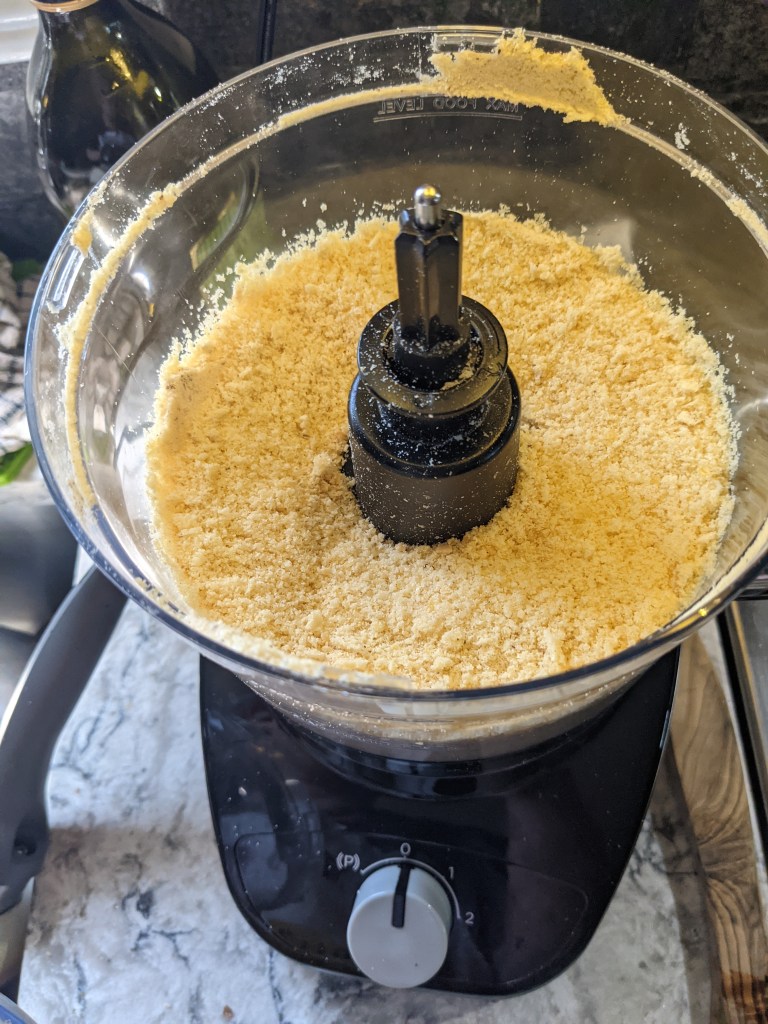
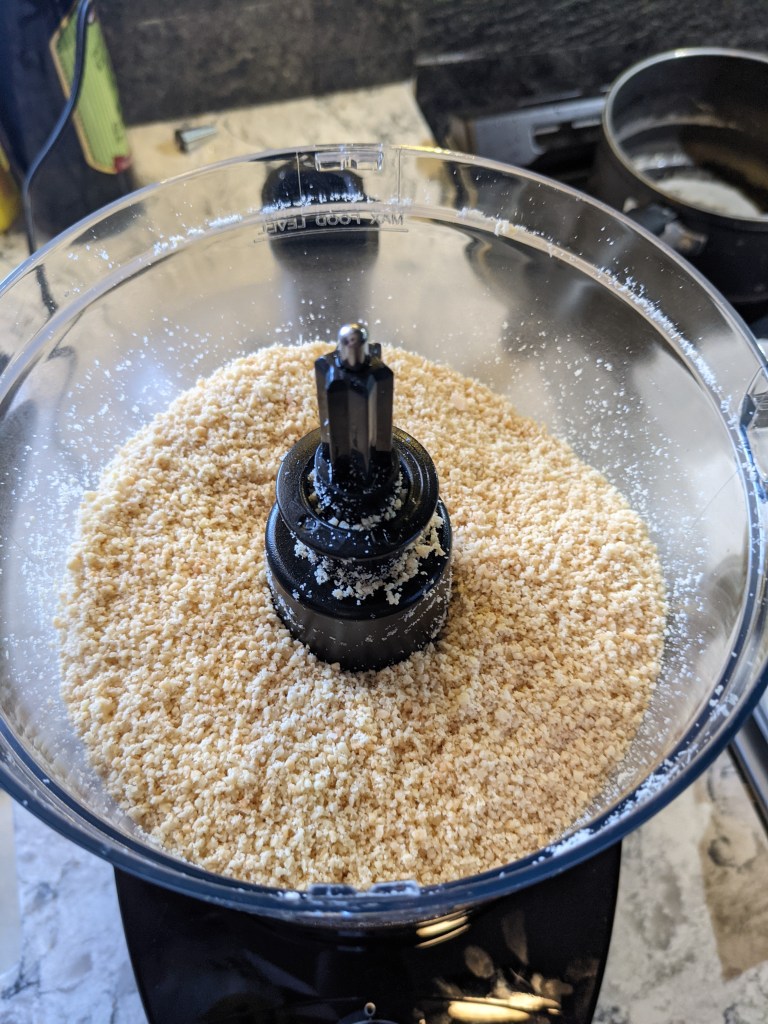
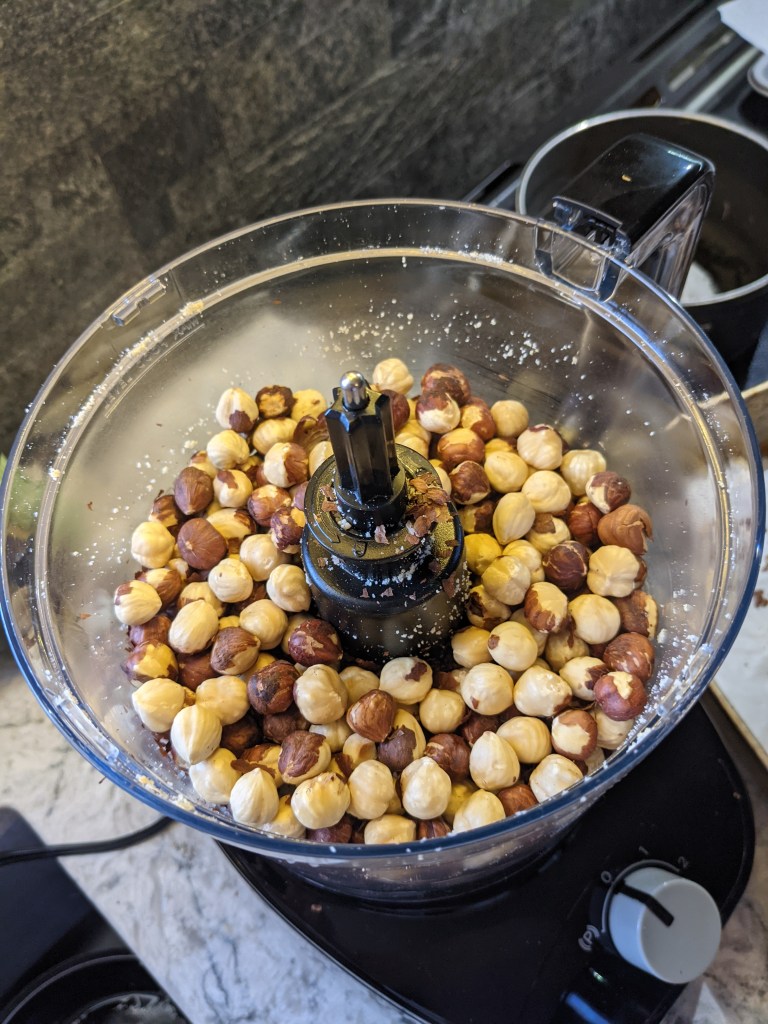
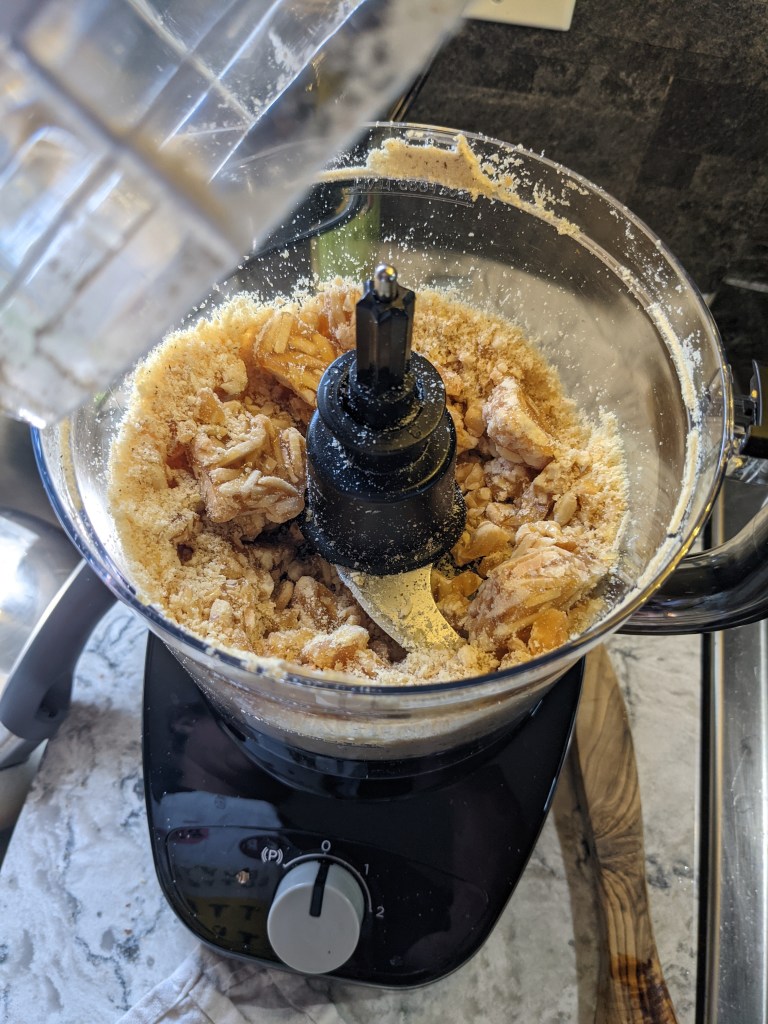
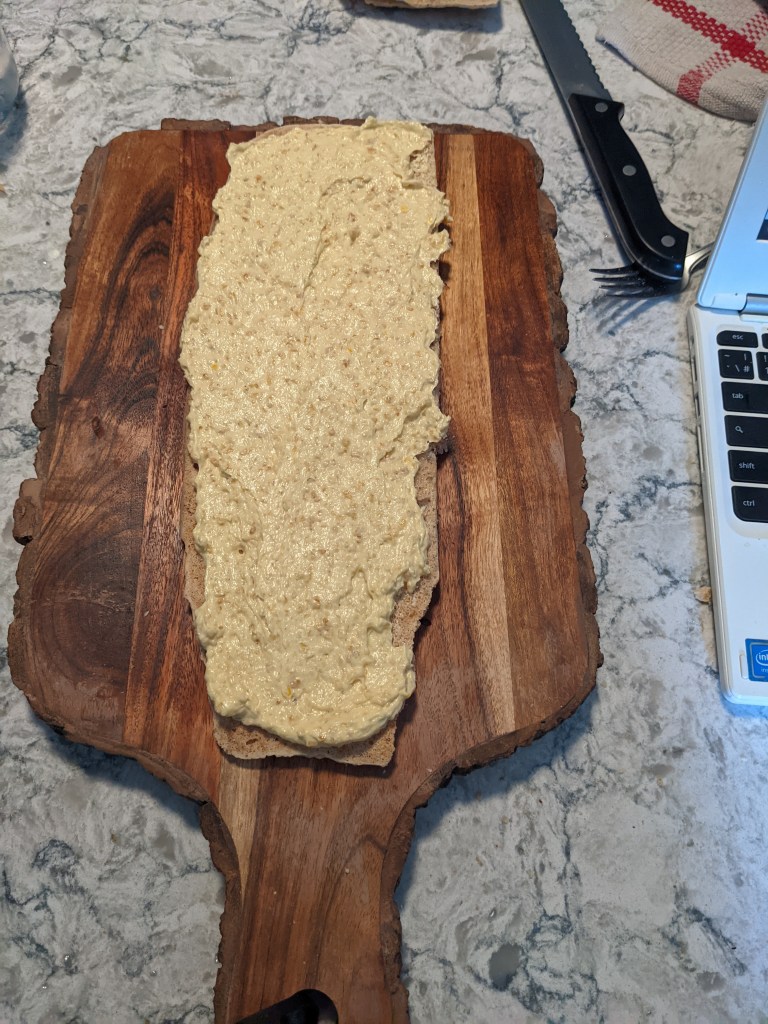
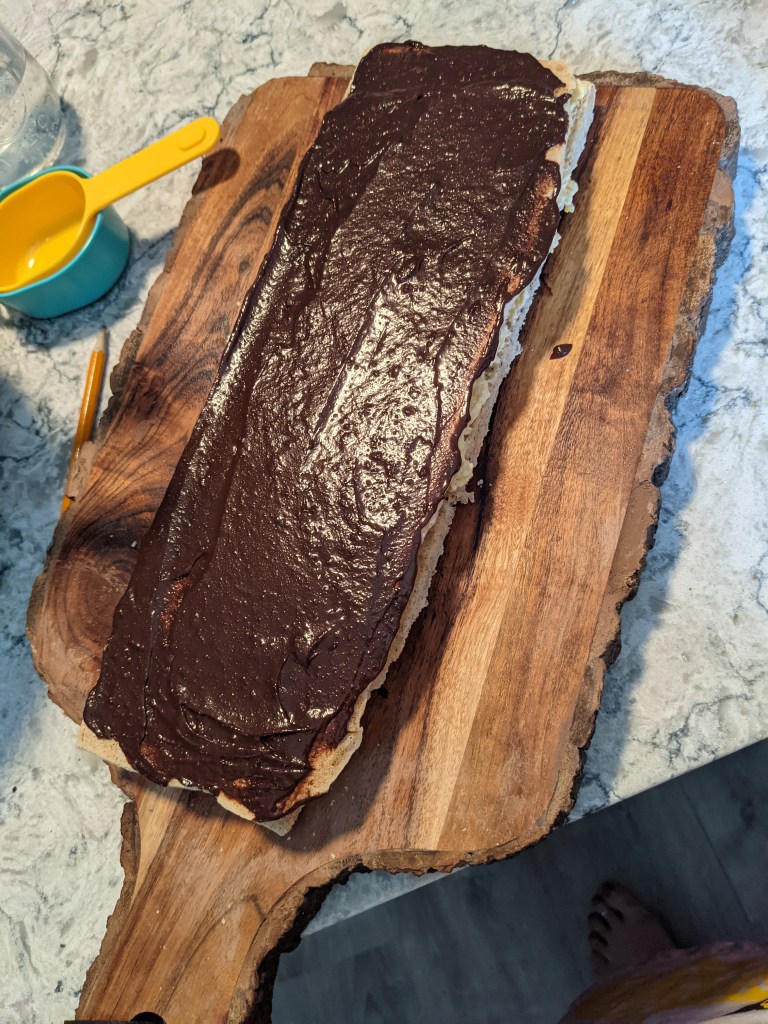
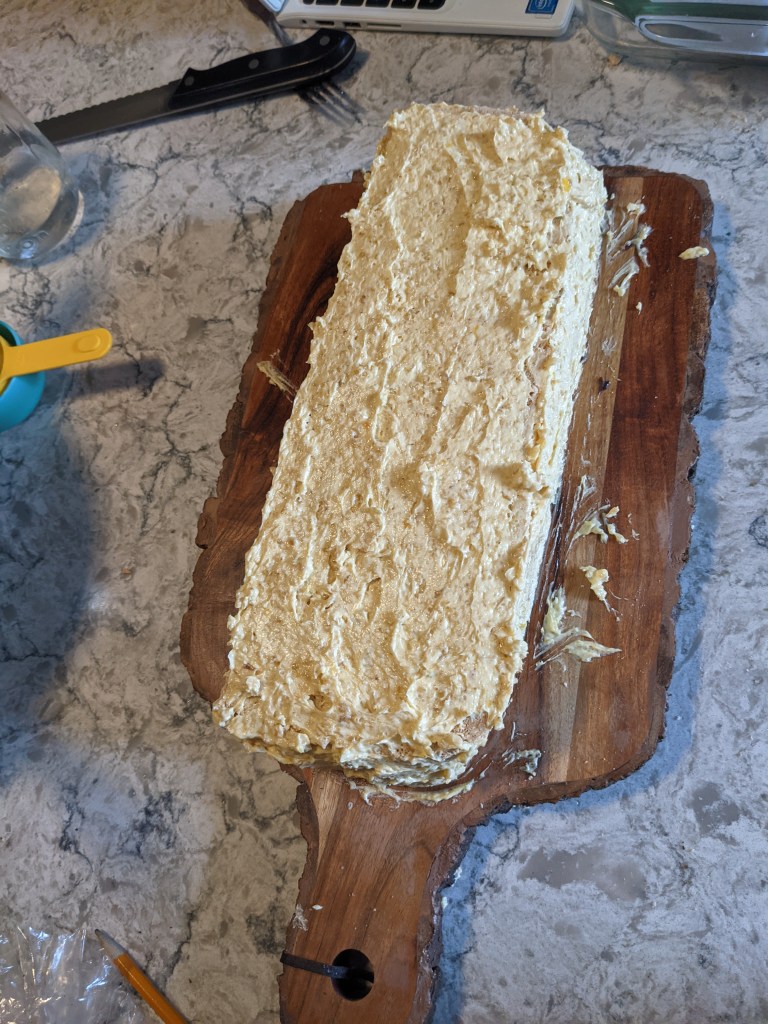
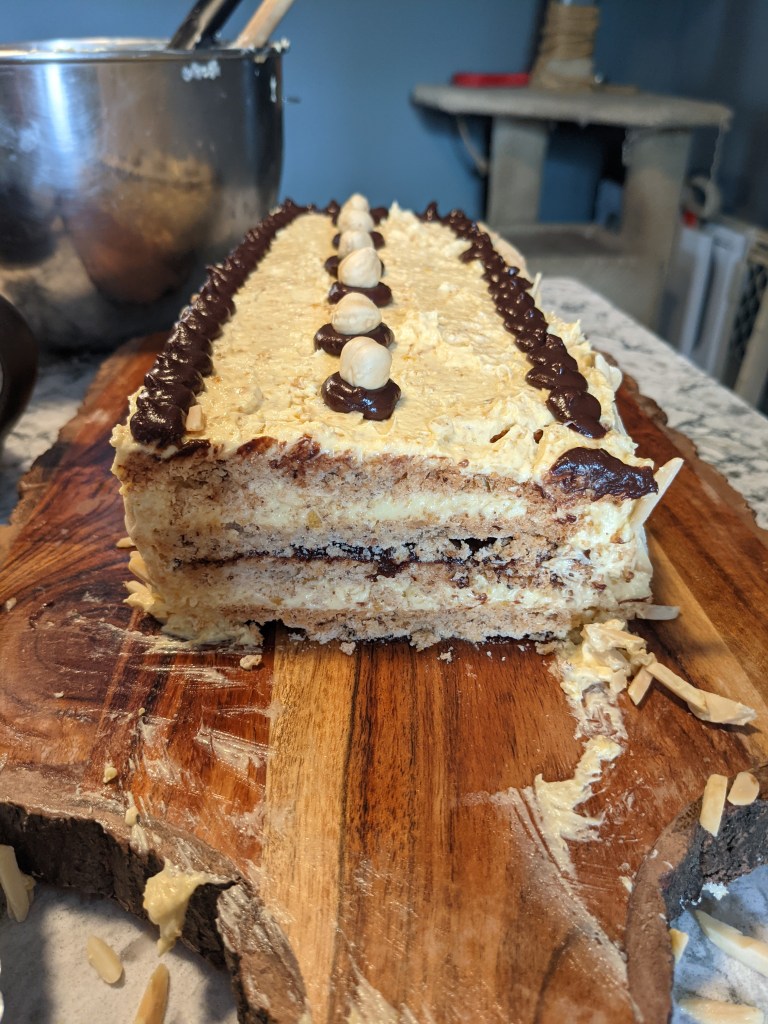
After blitzing the pralines into powder, they get folded into the French buttercream. Now it’s time for final assembly. The Dacquoise gets cut into 4 slabs and stacked with alternating layers of ganache and french buttercream. Then the whole cake is masked with buttercream. Toasted almonds are pressed into the sides of the cake and then toasted hazelnuts are placed on top as accents. Kisses of ganache piped around the edges. Voila!
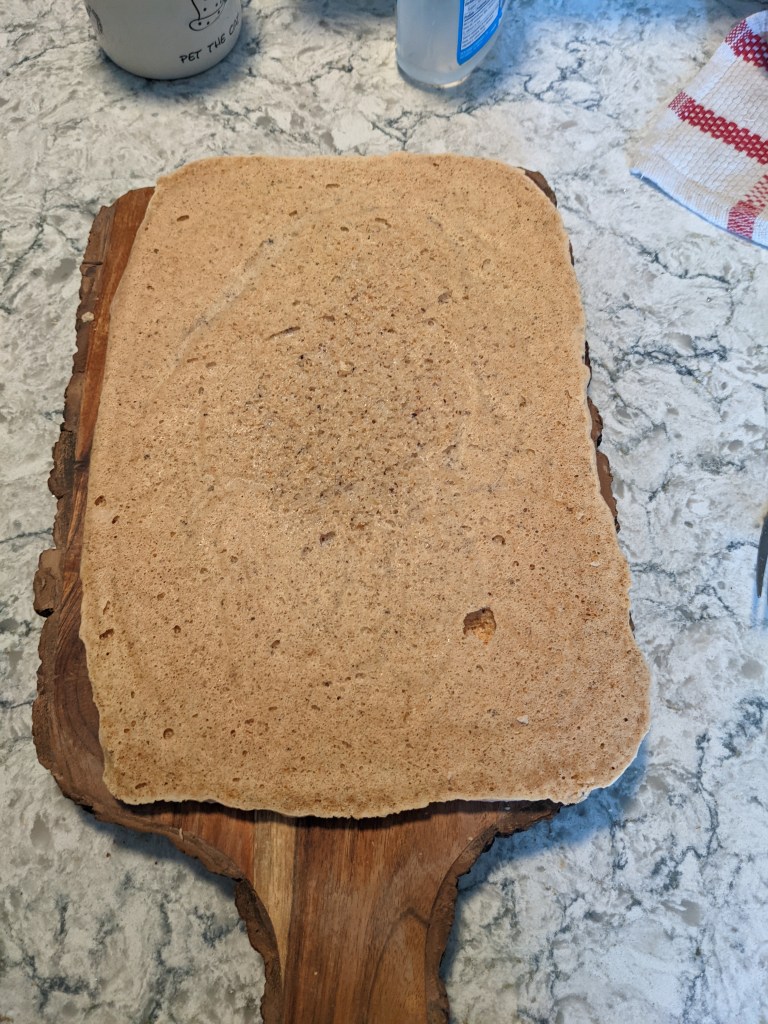
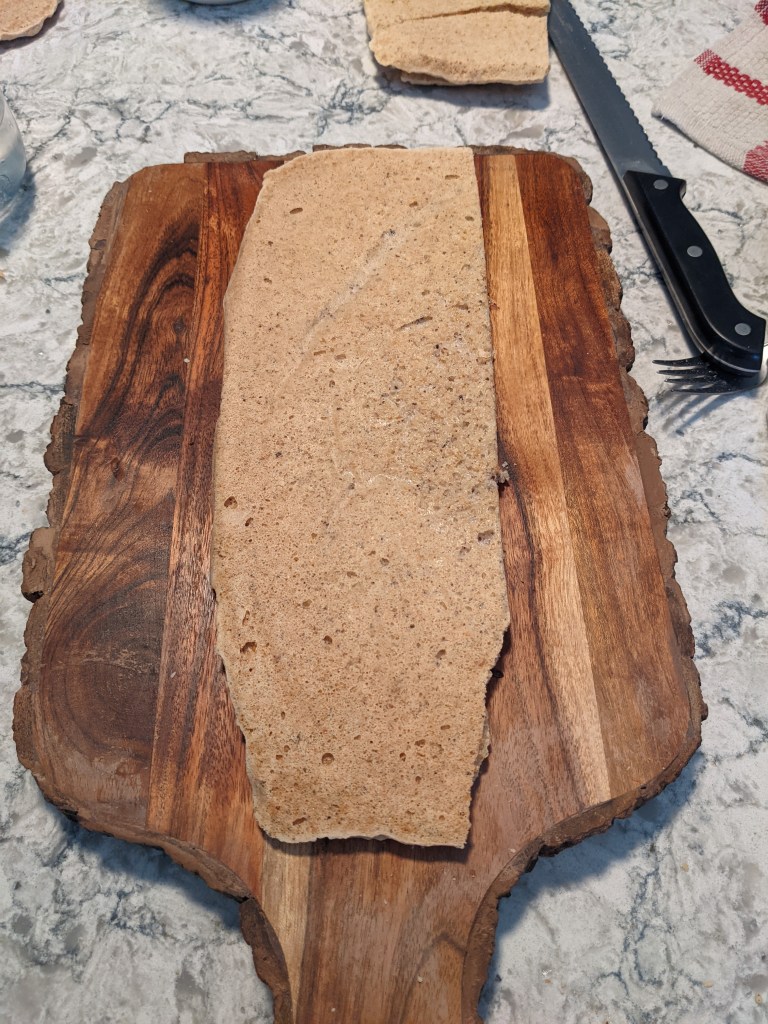
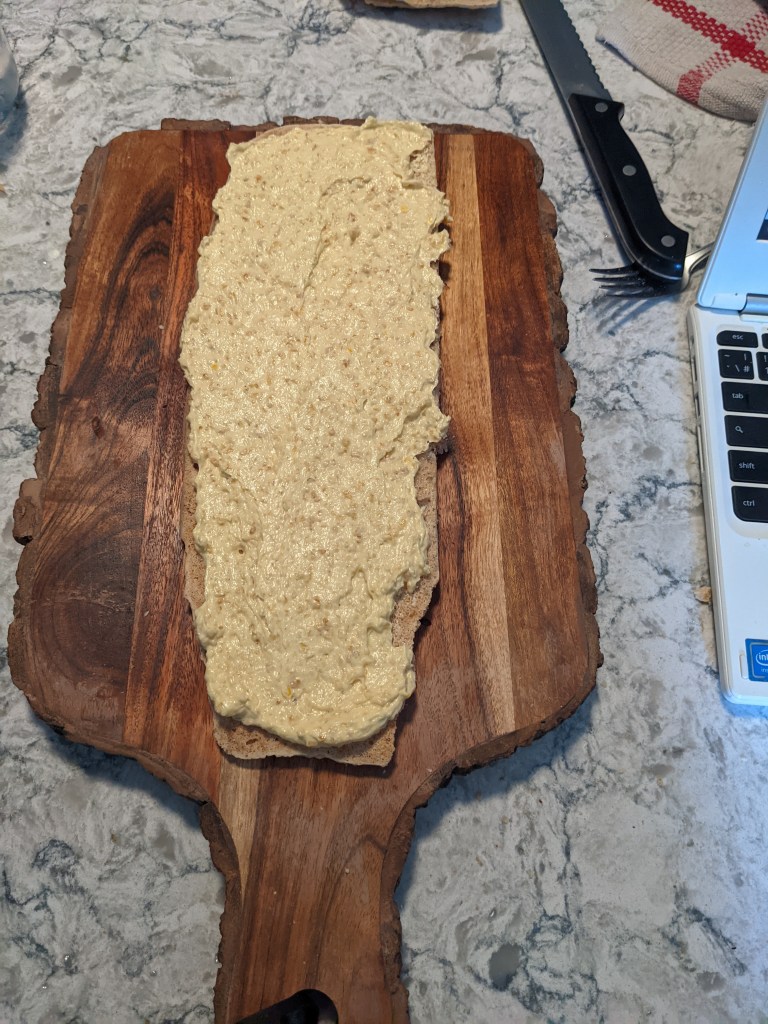
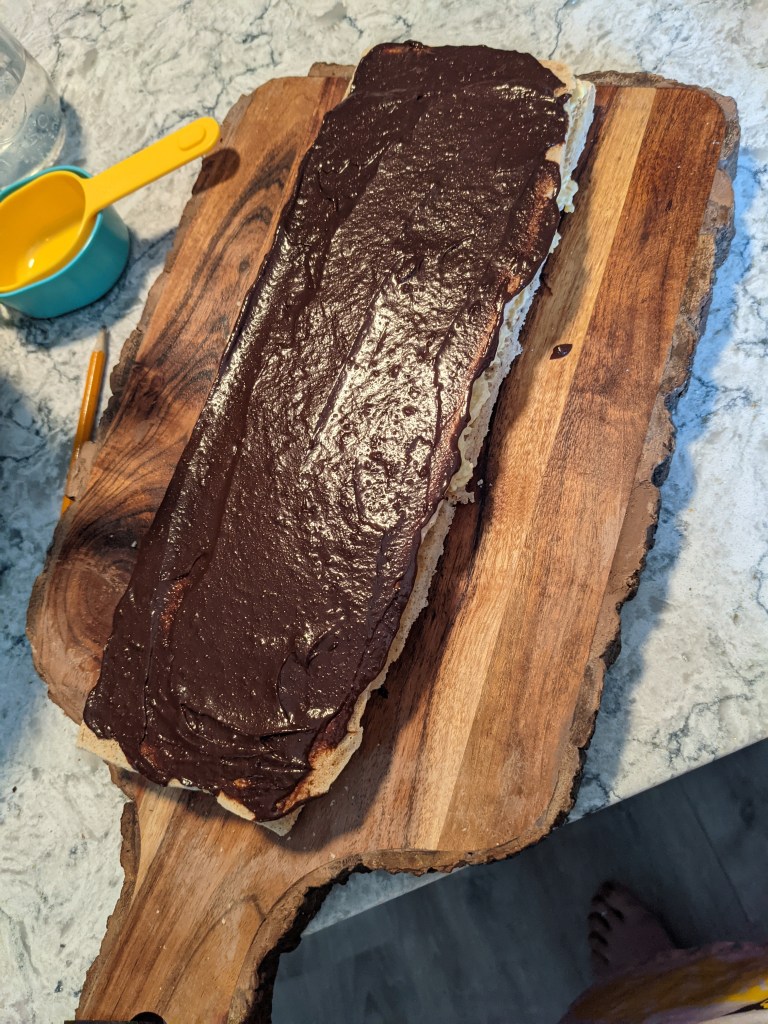
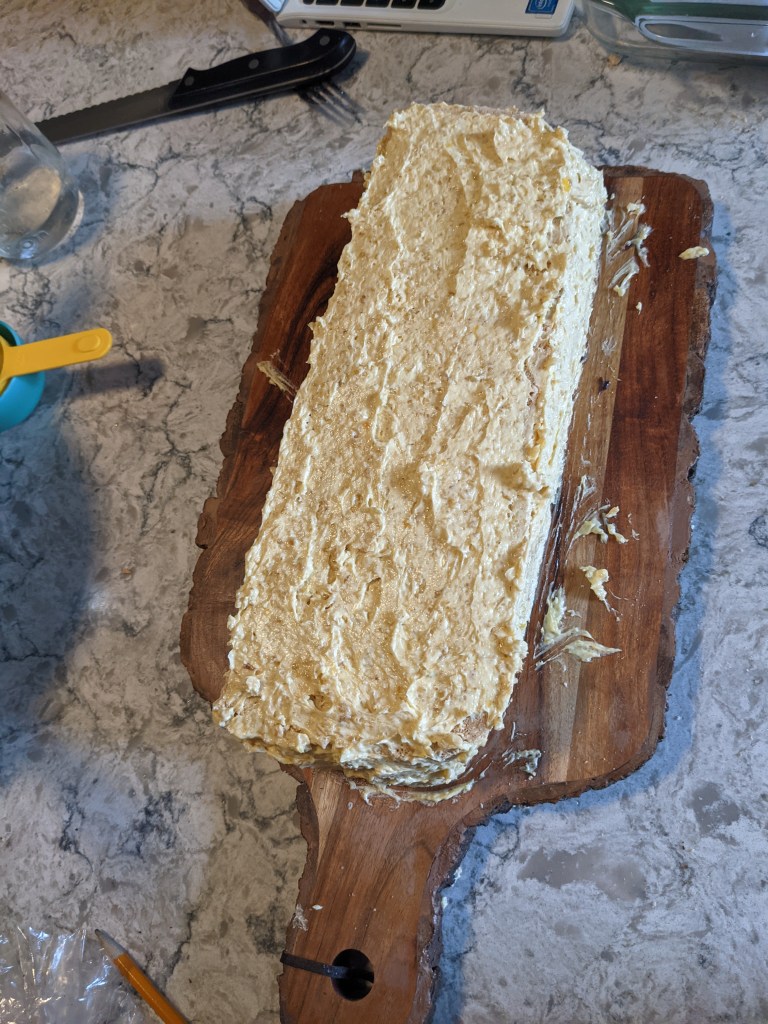
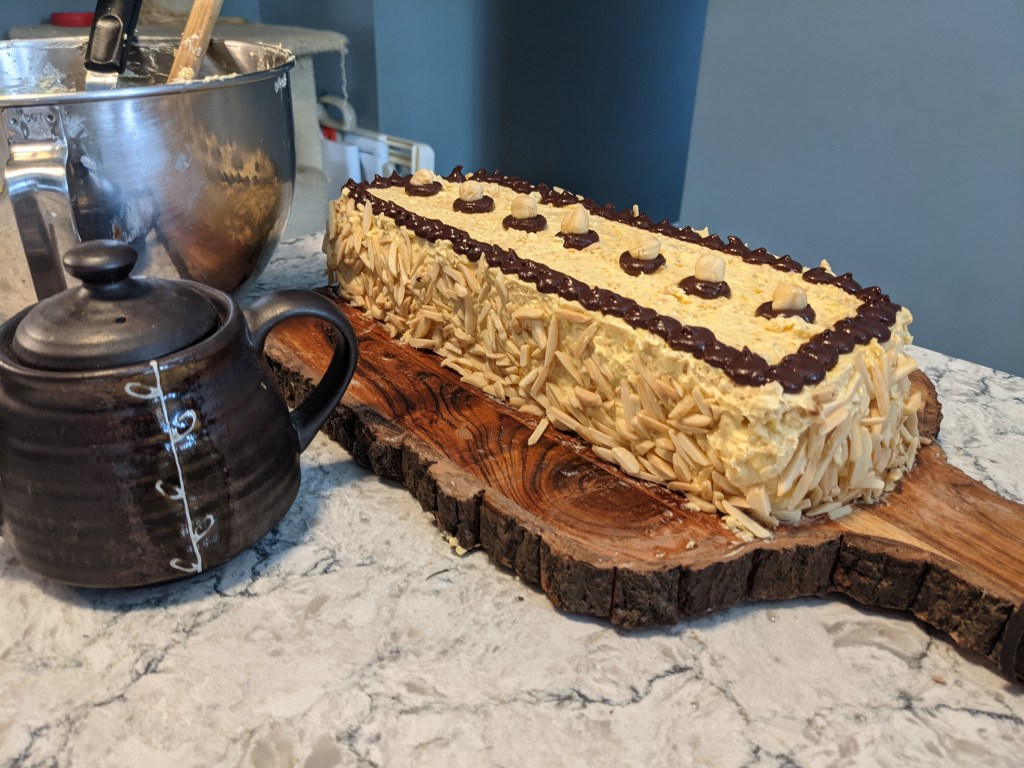
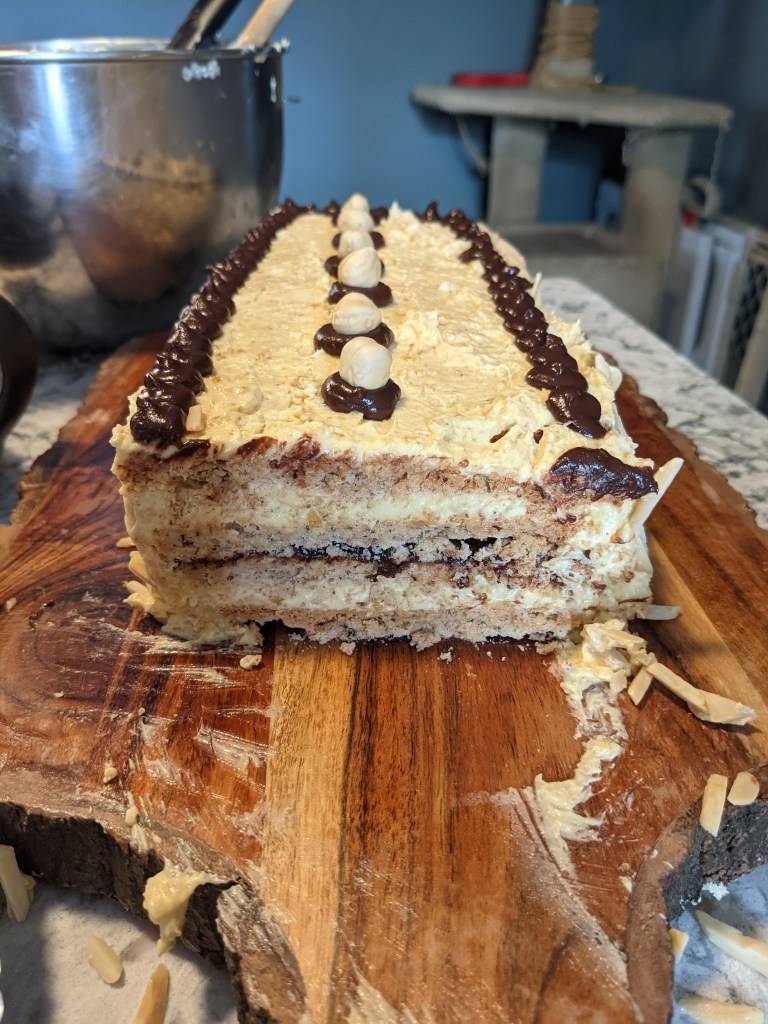
Photo gallery
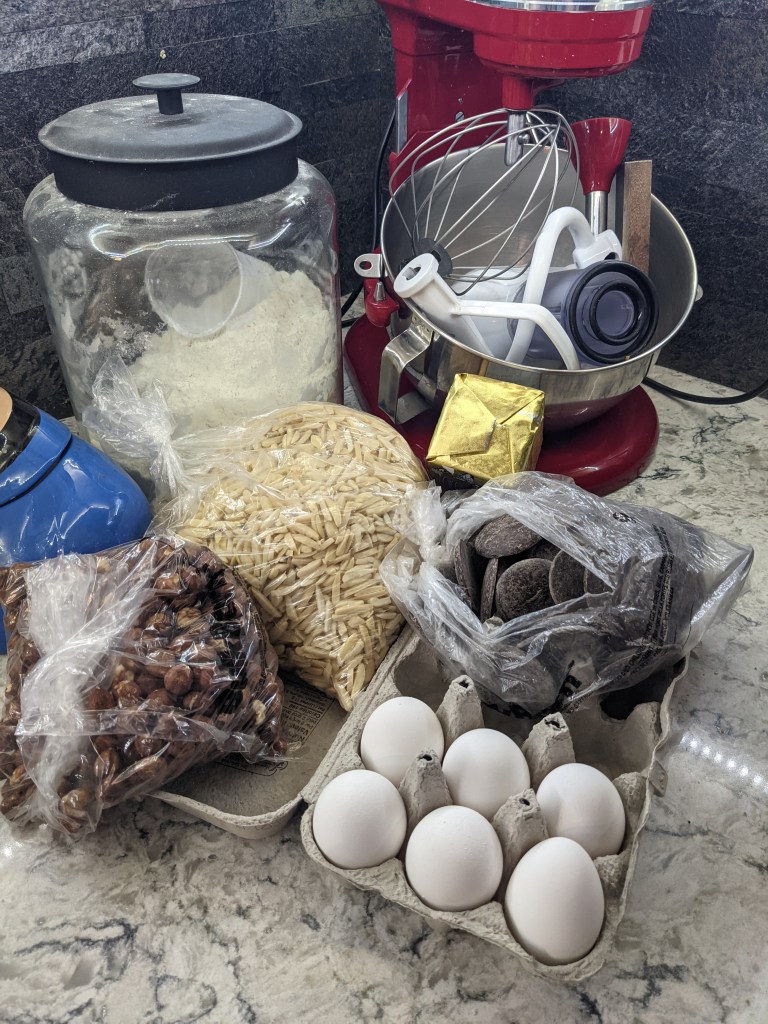



Hey. bakers! Check out my BAKER’S PANTRY index if you want to deep dive on specific ingredients when attempting this bake for yourself
 Baking Summit
I love you!! It’s so good to hear your voice in your writing. I feel almost inspired to try something myself… I’ll keep you posted! xoxo
LikeLike
I love you!!! I love being able to hear your voice through your writing. I feel almost inspired to try something myself (almost). xoxo
LikeLike
Awww thanks miss you xoxo ♥️
LikeLike